
This week on H-SPAN, we sat down with Brian Cole, a state representative from New Hampshire who has recently announced his candidacy for the U.S. House of Representatives.
In this episode, we discuss Brian’s introduction to politics, what the government can do to advance aging research, and how New Hampshire is poised to emerge as the next state to embrace longevity science.
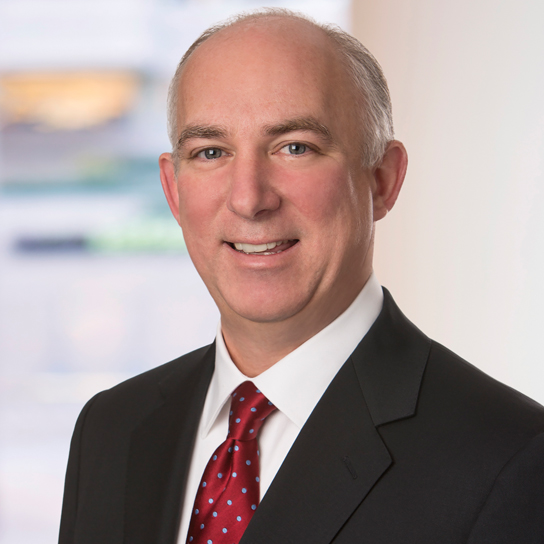
David M. Fox is a Partner in Hogan Lovells’ Global Regulatory practice and leads the firm’s Pharmaceuticals and Biotechnology Regulatory Practice. He is a leading authority on the regulation of prescription and over-the-counter drugs, biological products, combination products, and controlled substances.
He advises management teams ranging from start-ups to major global pharmaceutical and biotechnology companies on matters before the U.S. Food and Drug Administration (FDA) and Drug Enforcement Administration (DEA). He is frequently retained as a strategic advisor on the value of life sciences assets and is known for helping resolve complex regulatory disputes involving novel products and issues before FDA.
A former senior lawyer at FDA, David has deep experience with the regulatory side of the Hatch-Waxman Act, including pioneer-generic disputes, exclusivity issues, Orange Book listings, and patent term extensions. He received the Secretary’s Award of Merit and an FDA Special Citation during his FDA tenure, is a founding member of the Kitalys Institute, and also serves on the Advisory Board of the Cancer Support Community.
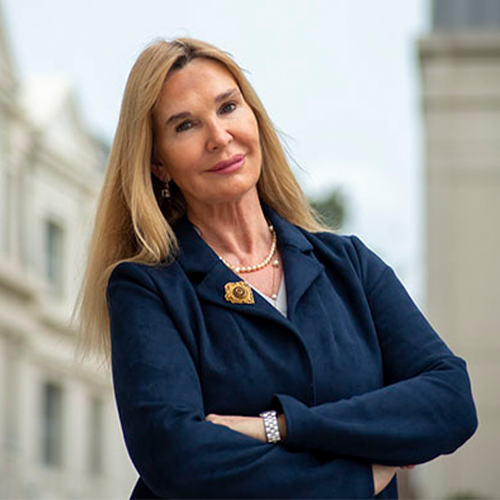
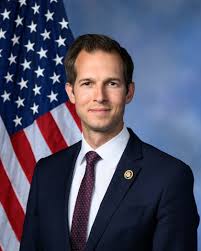
Congressman Jake Auchincloss is serving his third term representing Massachusetts’ Fourth District. He serves on the House Committee on Energy & Commerce, with areas of focus including healthcare, clean energy, gun violence, and building a strong middle class.
Born and raised in Newton, Massachusetts, Jake graduated from Harvard College before joining the Marines. He commanded infantry in Afghanistan and special operations in Panama. After returning home, he continued his public service as a three-term city councilor in Newton.
Alongside his work in public service, Jake built a career in business, running product development at both a Fortune 100 insurance company and a cybersecurity startup. He holds degrees in Economics and Finance from Harvard University and MIT Sloan.
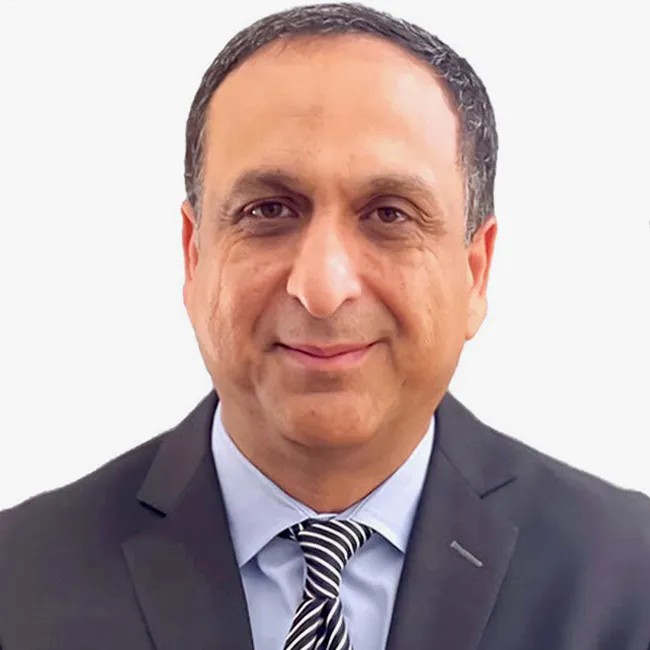
Hamid Khoja, Ph.D. joined FibroBiologics as Chief Scientific Officer in August 2021. He leads research, development, and advancement for the company’s pipeline of cell therapy candidates, bringing more than 25 years of experience leading scientific teams and developing cell-based genomic, proteomic, and epigenetics assays, tools, protocols, and technologies for drug discovery, development, and clinical diagnostics.
Dr. Khoja has distinguished himself with six patents issued or pending and more than 27 peer-reviewed publications. Prior to joining FibroBiologics, he served as Principal Scientist at Covaris, where he helped incorporate Covaris technology into Illumina next-generation sequencing protocols, developed chromatin immunoprecipitation methodology, and led collaborations across genomics, epigenetics, proteomics, and clinical assay development.
Earlier in his career, Dr. Khoja held scientific roles at Genomic Solutions, Sequenom, Eli Lilly, and Chiron Corporation, contributing to technologies and assays used in protein crystallization, genetic disease analysis, genome sequencing, and high-throughput screening. He graduated magna cum laude with a Bachelor of Science in Molecular Biology from the University of Southern California and earned his Ph.D. in Molecular Biology from Boston University.
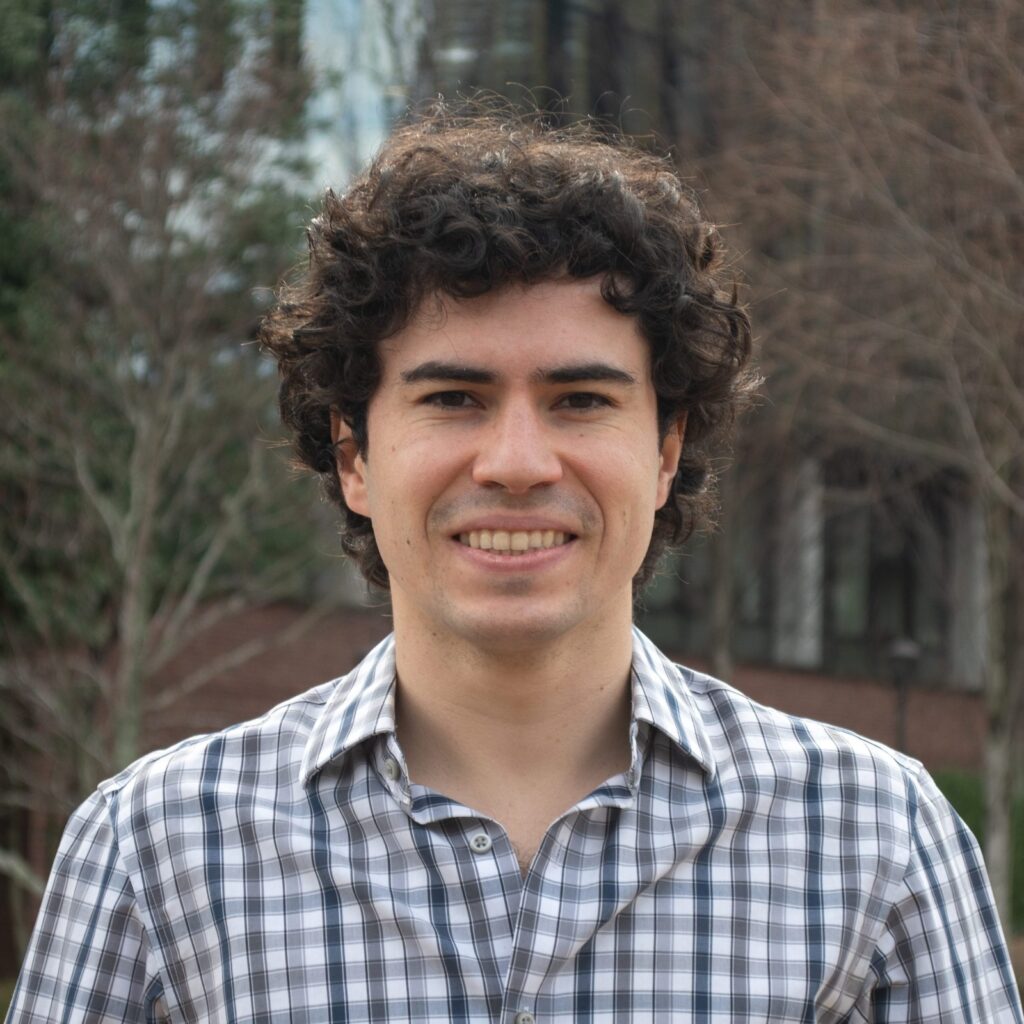
José Andrade is an aerospace engineer and Georgia Tech alumnus working at the intersection of biochemistry and longevity. After recognizing that daily at-home testing could power genuinely personalized models of human metabolism, he pivoted from aerospace to deep biotech, driven by a belief that understanding your own biology shouldn't require a lab coat or a clinic visit.
Deleon is building the infrastructure to make that potential real: an at-home metabolomics platform that tracks your biochemistry daily and translates it into continuous, personalized metabolic insight. Accessible to everyone, not just to optimize wellbeing today, but to extend that wellbeing for as many years as possible.
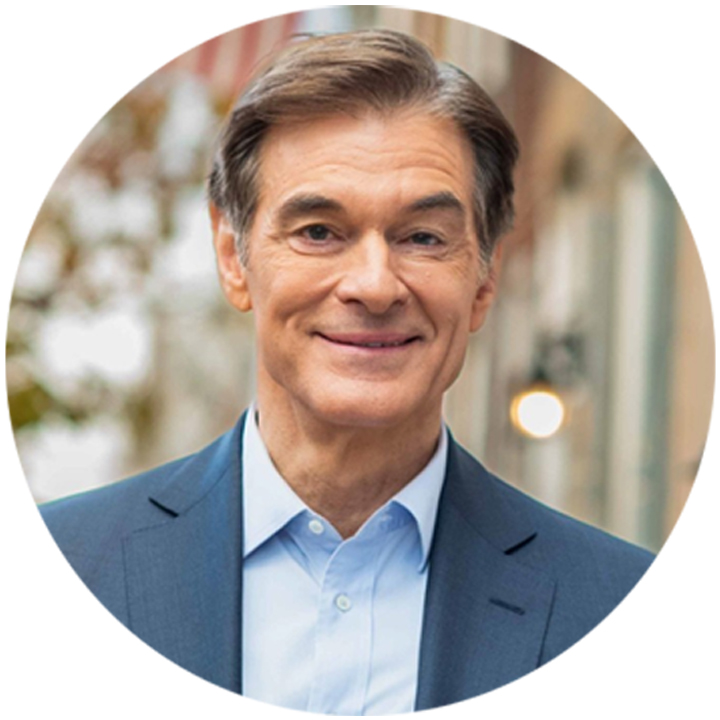
Dr. Oz serves as the 17th Administrator for the Centers for Medicare & Medicaid Services under HHS Secretary Robert Kennedy, Jr., and President Donald Trump. He is a Professor Emeritus at NY Presbyterian-Columbia Medical Center and has won nine Daytime Emmy® Awards. Dr. Oz received his undergraduate degree from Harvard University and obtained a joint MD and MBA from the University of Pennsylvania School of Medicine and Wharton Business School. He is the author of eight New York Times Best Sellers and was a founder of a lifestyle magazine with a focus that extends well beyond health and wellness to relationships, beauty, food and home. In 2003, Dr. Oz founded a national non-profit which emulates the Peace Corps by putting energetic recent college graduates into high schools around the country to teach diet, fitness and mental resilience. He has raised $100 million to help 3 million teens with this nationwide program. In addition to belonging to every major professional society for heart surgeons, Dr. Oz has been named Time magazine's 100 Most Influential People, Forbes' most influential celebrity, Esquire magazine's 75 Most Influential People of the 21st Century, Harvard's 100 Most Influential Alumni, AARP 50 Influential People Over 50, and received the Ellis Island Medal of Honor and a Hollywood Walk of Fame Star. Dr. Oz resides in Pennsylvania with his wife Lisa Oz and is a proud father of four and grandfather of five children.
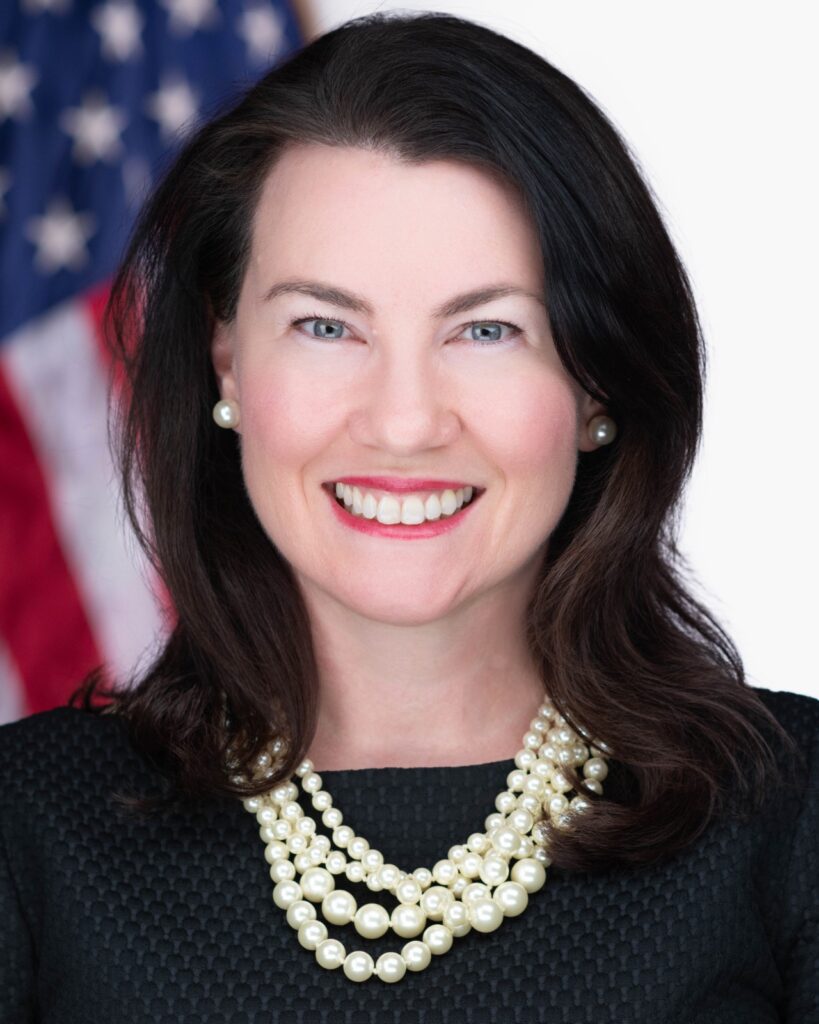
Stephanie Carlton, appointed by President Trump to be CMS Deputy Administrator, is a health care leader with unique experience across the dimensions of the U.S. health care economy—business, policy, higher education, and clinical. As Acting CMS Administrator until Dr. Mehmet Oz was confirmed by the Senate, Stephanie led the Agency through the early days of working with DOGE, implementing Executive Orders, and running the $1.7T organization. When a Partner at McKinsey & Company, Carlton focused on innovation and strategy with clients and led McKinsey's Center for US Health System Reform. She also co-founded a place-based transformation with 20 community leaders in Texas to improve holistic health outcomes. Prior to McKinsey, she led Medicare Advantage and Medicaid issues on the US Senate Finance Committee (Republican staff) and worked as a labor & delivery nurse at Georgetown University Hospital. Carlton has guest lectured at the University of Pennsylvania Wharton School, served as a fall 2022 resident fellow at the Harvard Kennedy School Institute of Politics, and was on the business school faculty at the University of Texas at Austin. She has served on the boards of the Health Care Cost Institute, Ignite Health Foundation, and the University of Texas McCombs Alumni Association.
Steven Kesselring is an entrepreneur and small business advocate based in Manchester, New Hampshire. In 2004, he founded his first small business in Manchester, focusing on landscaping services. That experience launched a career defined by building and scaling independent ventures.
Since 2014, Kesselring has served as President and CEO of Your Oil Tools, headquartered in Hooksett, NH — a company he founded following a transformative period in his career that redirected his professional focus toward the oil and gas tools sector.
A recognized voice in the small business community, Kesselring received the 2022 SBA District Director Award for his work supporting small business owners across the country through SCORE and affiliated organizations, with a particular focus on helping businesses establish an online presence during the COVID-19 shutdown.
He is also an alumnus of the Goldman Sachs 10,000 Small Businesses program through Babson College. Kesselring is currently a Republican candidate for State Representative representing Ward 12 in Manchester, New Hampshire.
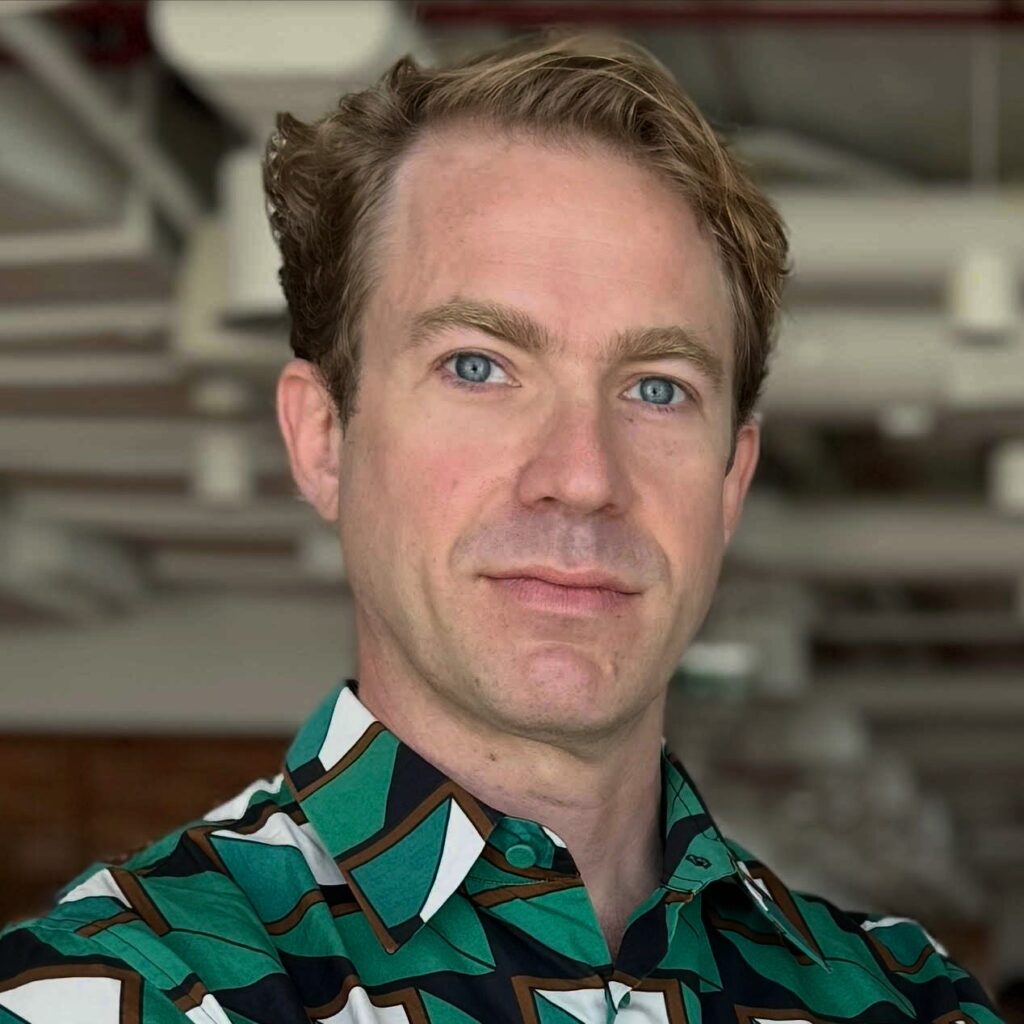
Noah Keating has spent his career helping turn ambitious ideas into real products, working across companies including Nike, Gemini, Newell Brands, and Wink, as well as on founding teams and early-stage ventures. His background spans product, engineering, strategy, and commercialization, and he currently serves as Director of Strategy at EpiBone, a regenerative medicine company developing living bone and cartilage grafts. That work is personal to him: after undergoing orthopedic reconstruction and autograft surgery, he became deeply interested in the potential for regenerative medicine to change outcomes for future patients. Noah also serves on the board of Granite Bio Innovation, where he is helping to build a stronger biotech future for New Hampshire through smart policy, ecosystem development, and innovation.
Awaiting bio.
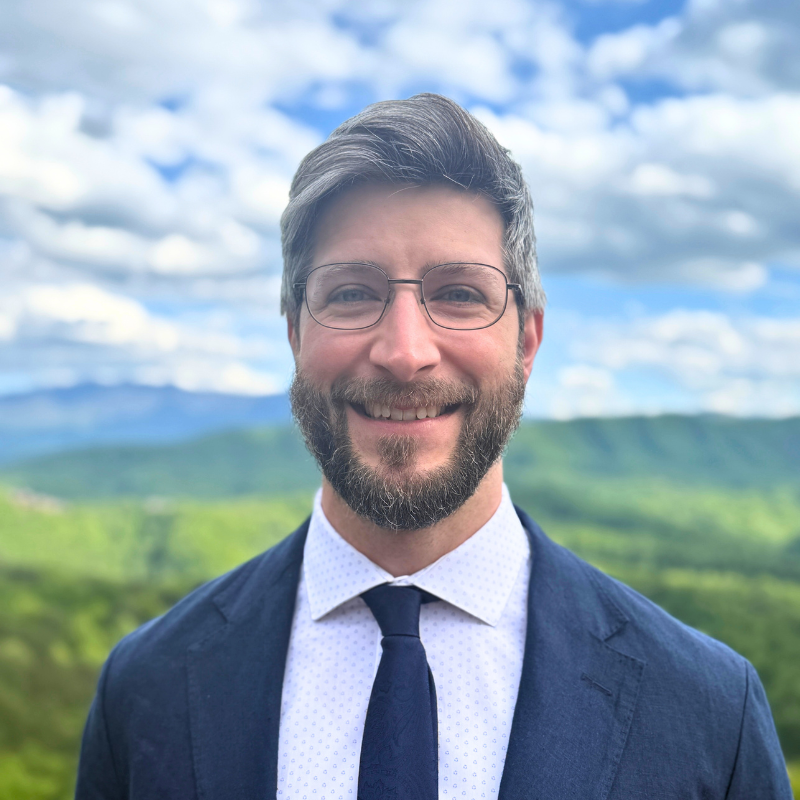
Daniel Dacey, PhD, is Founder and CEO of Dovetail Biopartners and Co-founder of Mindvyne, organizations focused on accelerating scientific innovation through better data, collaboration, and ecosystem development. At Dovetail, he works with biotechnology, healthcare, and life science organizations to build the infrastructure, workflows, and analytical capabilities needed to turn complex scientific data into actionable decisions.
Through Mindvyne, he has become an active convener within the longevity and health innovation communities. Over the past 2.5 years, he has organized more than 40 events that have brought together researchers, founders, investors, clinicians, industry leaders, and policymakers through summits, workshops, pitch competitions, curated networking events, and private dinners. His work is driven by a belief that scientific progress is often limited not by a lack of discovery, but by inefficiencies in how knowledge, data, capital, and expertise are connected.
His efforts span translational science, entrepreneurship, data strategy, and community building, with a focus on helping emerging technologies move more effectively from research to real world impact.
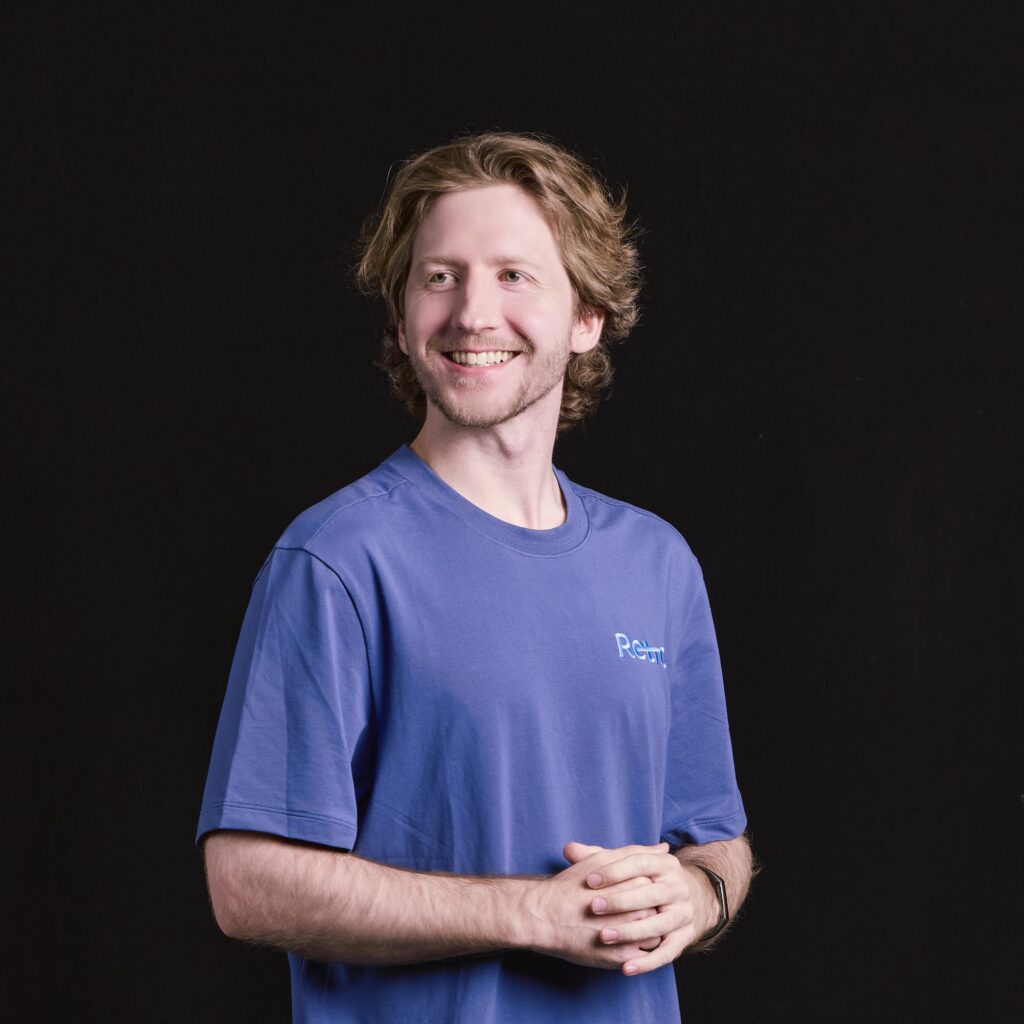
Rob Kalesnik-Orszulak is Head of Regulatory Affairs at Retro Biosciences, where he guides the company's products through the regulatory landscape in pursuit of Retro's mission to extend healthy human lifespan by 10 years. A pharmacist by training, Rob has more than a decade of regulatory leadership experience across a wide range of product types and therapeutic areas, including especially the immunotherapy revolution that transformed cancer care. Prior to Retro, he held an executive role in Global Regulatory Sciences at Bristol Myers Squibb. Today, Rob's passion lies in advancing the regulatory strategies and policies for a new class of products aimed at addressing the underlying causes of aging. When Rob looks to the future of health, he sees that it is bright and the sun is rising.
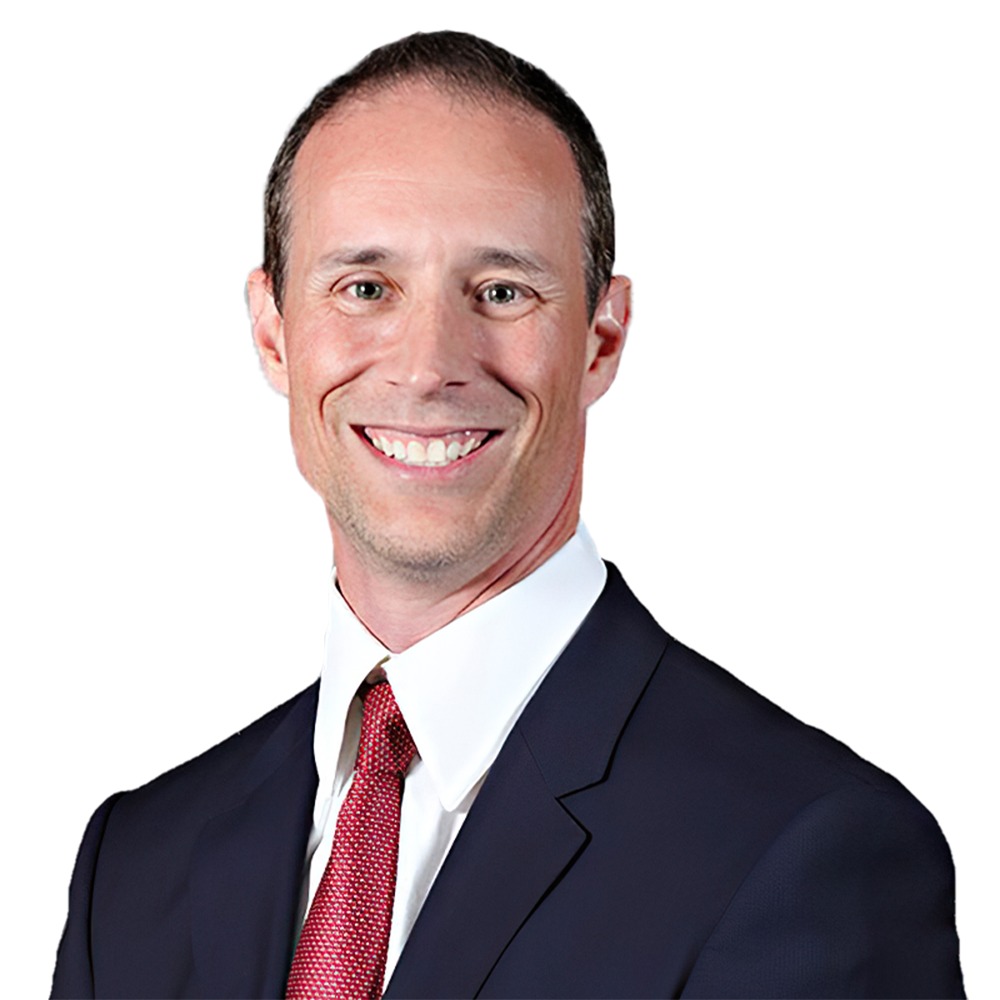
Josh Lawler, Partner at Zuber Lawler, a minority owned law firm, is an expert in digital asset regulation, securities law, intellectual property rights, mergers and acquisitions and commercial transactions with a strong focus on crypto, NFTs and other digital assets and related systems. As a dedicated futurist, Josh leads the firm's New Technology Practice Group, focusing on novel issues presented by developing technology including Blockchain (distributed ledger), artificial intelligence, robotics, virtual/augmented reality and internet of things.

A strategic operator, advisor, and investor, Deanna helps healthcare leaders turn scientific innovation into real-world impact. With more than 25 years of experience as a C-suite commercial leader building and growing Fortune 50 healthcare companies and scaling startups, she brings a forward-looking perspective: anticipating inflection points, mitigating risk, and defining what's possible before the market catches up. As an enterprise leader and systems thinker who operates at the intersection of strategy and execution, moving fluidly from enterprise-level vision to the granular decisions that determine pipeline prioritization, whether a launch succeeds or a market gets built in time, Deanna build markets where none exist, lead when there is no playbook, and run toward the problems others walk away from, because that is where the most consequential work happens.
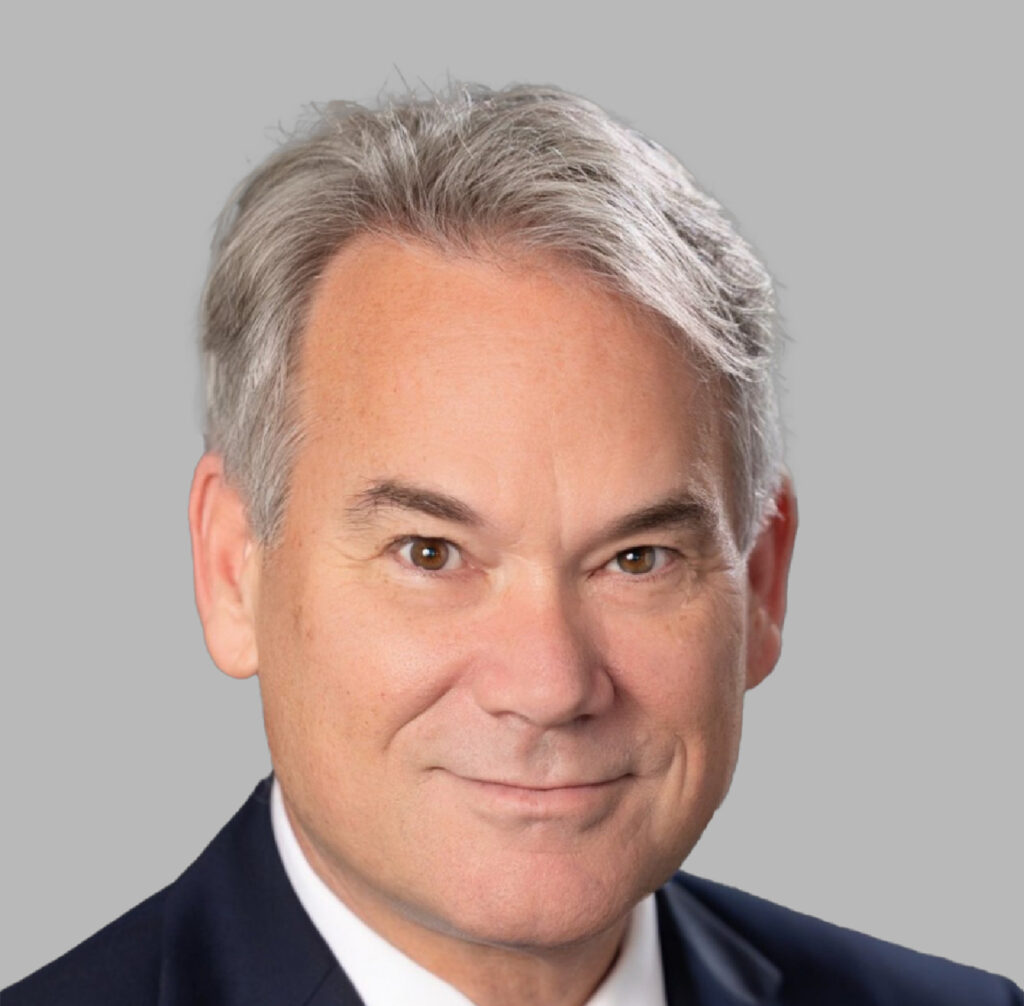
A philanthropist, serial entrepreneur, inventor and futurist, Gobel was one of the first people to publicly discuss the idea of longevity escape velocity, the hypothetical situation in which life expectancy is extended longer than the time that is passing.
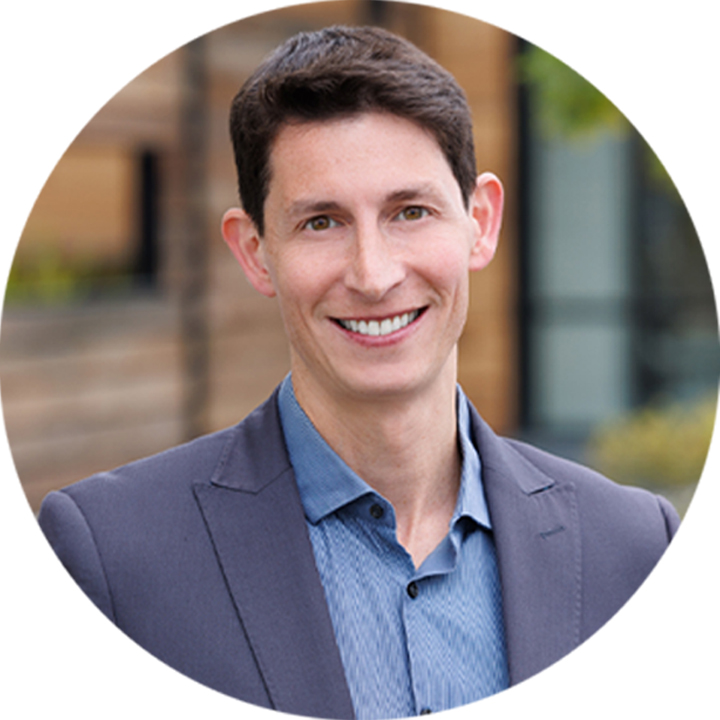
Dr. Freund is a biotech entrepreneur and executive with over two decades of experience in life sciences and a track record of building and leading high-impact teams to translate cutting-edge science into breakthrough therapies. As Founder and CEO of Arda Therapeutics, Dr. Freund has secured over $50M in financing and pioneered the application of targeted biologics to deplete the pathogenic cells that drive chronic diseases and aging. Previously, as a senior leader at Calico Life Sciences, Dr. Freund founded and managed an R&D team with the mission of merging computational and experimental biology to develop interventions that slow or reverse aspects of aging. He launched and led several therapeutic programs, notably spearheading Calico’s first program targeting a validated longevity pathway, which is now advancing in clinical trials. Beyond operating roles, Dr. Freund brings years of advisory and consulting experience across therapeutics companies, research institutes, and venture capital firms, offering expertise in company strategy, drug development, and the integration of computational and experimental biology. Dr. Freund earned his PhD from UC Berkeley, where he explored cellular senescence mechanisms, followed by a postdoctoral tenure at Stanford developing insights into telomerase regulation. His research contributions have garnered over 10,000 citations.
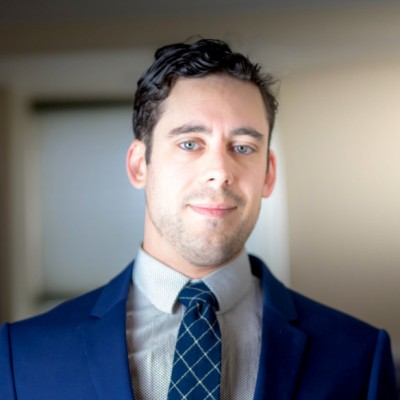
Justin Taylor is a Product Manager at Estateworks and is actively involved with Longevity Global. He is a dedicated generalist advising startups, product managing, grantwriting, and engineering in the fields of legal tech, longevity biotech, AI/ML, and climate change tech. Through his work, Justin focuses on supporting early-stage innovators and advancing collaborative ecosystems within the longevity sector.
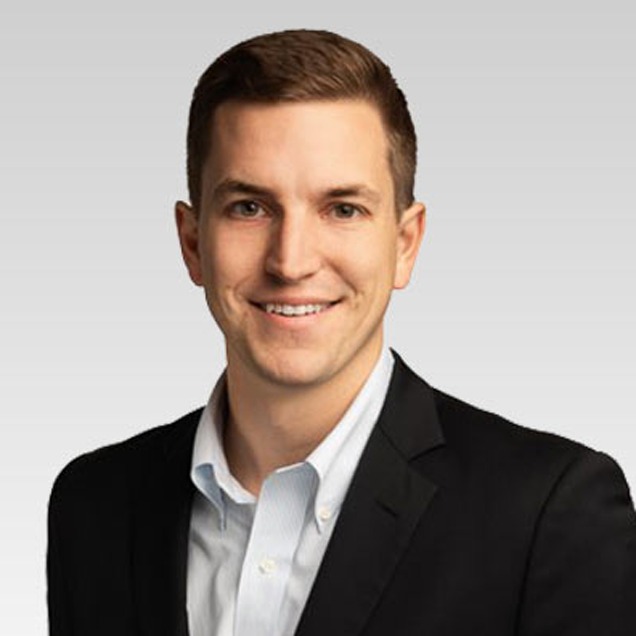
Brennan O’Connell is the Co-Founder of Longevity Angels, an investment syndicate focused on backing early-stage companies developing therapies and technologies aimed at addressing the biology of aging and extending healthy human lifespan. Prior to founding Longevity Angels, Brennan built his career across investment banking, private equity, and business development roles within the fintech sector, where he focused on growth strategy, partnerships, and scaling emerging businesses. His background spans finance, operations, and commercialization, bringing a multidisciplinary perspective to identifying and supporting transformative innovations in the longevity ecosystem. Through Longevity Angels, Brennan works closely with founders, researchers, and investors advancing the next generation of longevity therapeutics and age-related disease interventions.
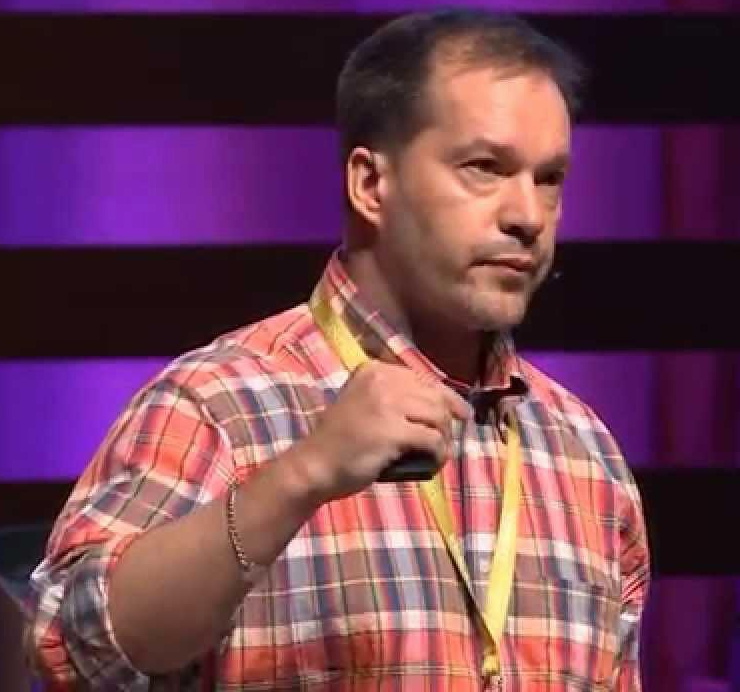
Antonei B. Csoka, Ph.D. is an Associate Professor in the Department of Anatomy at Howard University working at the intersection of geroscience, epigenetics, and systems medicine. His work seeks to reshape how medicine understands aging, chronic disease, and biological resilience.
He is pioneering the concept of aging as a meta-disease: not merely a risk factor or natural decline, but an upstream pathological process that generates the major diseases of later life through cellular senescence as the causal nexus. This framework provides a deeper foundation for geroscience and for the therapeutic targeting of aging.
Dr. Csoka is also advancing a broad theory of post-exposure syndromes, including post-drug, post-infectious, and environmentally triggered chronic conditions, as forms of state-space trapping in complex biological systems.
Scott Livingston is the Founder, Chairman, and CEO of Livingston Securities LLC, a FINRA-member investment bank focused on emerging and transformative technologies. With more than 25 years of experience working at the forefront of advanced technology finance, Livingston has built a national reputation as one of the earliest and most influential advocates for investing in breakthrough scientific innovation.
Widely recognized as one of Wall Street’s earliest champions of nanotechnology and advanced sciences, Livingston has advised and financed companies across sectors including biotechnology, healthcare, energy, semiconductors, aerospace, and advanced materials. Before founding Livingston Securities, he held senior positions at major financial institutions including Lehman Brothers, Cowen & Co.(later renamed TD Cowen), Smith Barney, and Axiom Capital Management.
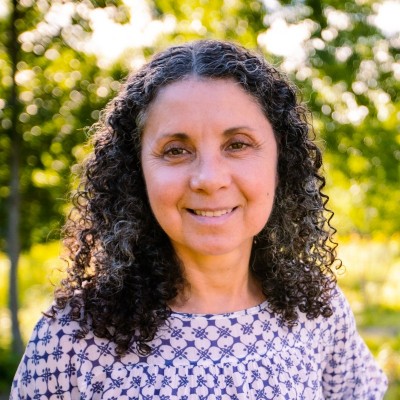
Fiona Miller is a Managing Partner at quadraScope Ventures, a venture capital fund focusing on early-stage investments in the longevity biotechnology sector. She is a serial entrepreneur with over 40 years of experience in technology entrepreneurship and venture capital, previously founding and leading three technology companies to successful exits.

Dr. Natalia Mitin is the co-founder, president, and CEO of Sapere Bio, a longevity technology company. She holds a Ph.D. in Molecular Biology and has a background in chemical engineering. Her work focuses on precision longevity, developing non-invasive biomarker tests to measure cellular senescence, immune system function, and biological age.
Giorgia Giordani focuses on corporate transactions and litigation, including matters with heavy intellectual property components. She also has experience managing international intellectual property portfolios. Ms. Giordani boasts a deep interest in emerging industries and technologies, including especially the field of longevity. She often works across languages and with international clients, especially in relation to Europe. Prior to joining Zuber Lawler, Ms. Giordani trained at law firms in Miami and New York City, assisting foreign companies doing business in the United States. Prior to that, she worked at a prominent Italian law firm in Milan, Italy
Jonathan Ross is the Director of Operations and Administration at Alliance for Longevity Initiatives (A4LI), the first 501(c)(4) organization in the United States dedicated exclusively to advancing longevity science through public policy. In this role, he oversees organizational operations, including finance, compliance, human resources, and strategic planning.
Jonathan joined A4LI in 2022 as a volunteer, initially supporting outreach and communications efforts before transitioning into a full-time leadership role later that year. Drawing on a background in business marketing, he has played a key role in scaling the organization’s operations and supporting its growth as a leading voice for longevity policy in Washington.
Joe DeSantis is the Interim President and Chief Strategy Officer for Gingrich 360 and leads the consulting division, with clients in health care, aviation, and education. DeSantis also serves as Speaker Gingrich’s primary liaison with campaigns and lawmakers. He served as Communications Director for the Newt 2012 Presidential Campaign, where he was responsible for the campaign’s media relations, advertising, online fundraising, digital and surrogate operations. He is the co-author of The New York Times bestseller, To Save America, and has made appearances on The Today Show, Fox News, CNN, and Bill Bennett’s Morning in America. DeSantis earned a Bachelor of Science from Drew University in Madison, NJ, and Master of Science in Political Management from George Washington University in Washington, DC.
Stephen Martin is the US Lead for Infinita. In addition to sourcing treatments for patients in Montana under SB535, he is also a passionate advocate of Right to Try on both the state and federal level. Before his work in biotech, Stephen founded Gene Pool Technologies, which set groundbreaking legal precedent on the enforceability of IP assets in federally illegal markets (US Cannabis) and has raised more than $15M in venture and litigation finance.
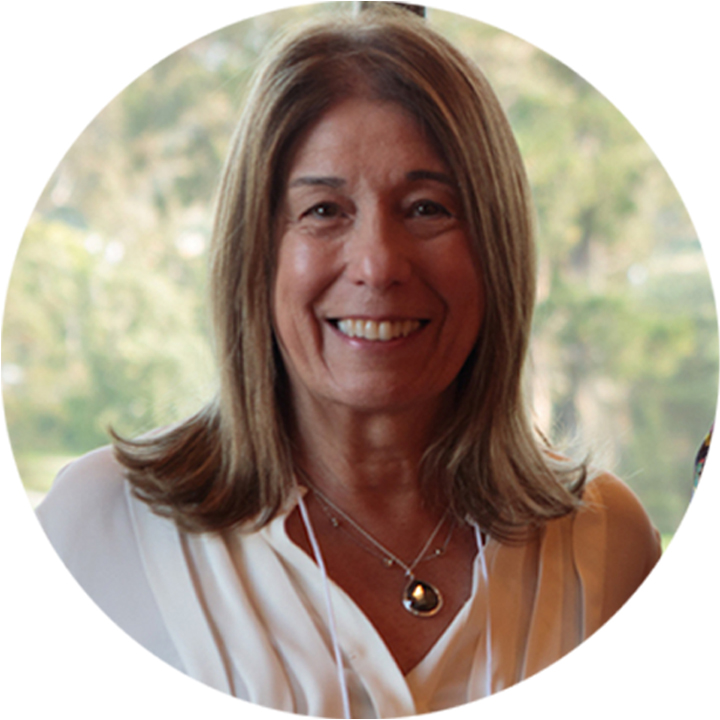
Stephanie Lederman is Executive Director of the American Federation for Aging Research (AFAR). Under Ms. Lederman’s leadership since 1992, AFAR has grown into a globally recognized organization that has been able to contribute more than $200 million to nearly 4,400 new investigators and students conducting biomedical research on aging processes and age-related diseases.
She serves as the Co-Principal Investigator for the Nathan Shock Centers of Excellence in the Basic Biology of Aging Coordinating Center and the Research Centers Collaborative Network (RCCN) and is the Co-Investigator for the National Program Office Clin-STAR (Clinician-Scientists Transdisciplinary Aging Research) initiative—three programs of the National Institute on Aging (NIA) of the U.S. National Institutes of Health (NIH).
An advocate for aging research, she works to promote the field through raising funds for the research pipeline, organizing scientific meetings, and leading outreach to the general public and media.
During the course of her career in the not-for-profit sector, Ms. Lederman has served as executive director of The National Center for Health Education and has held leadership positions at The American Red Cross in Greater New York, Memorial Sloan-Kettering Cancer Center, and The American Heart Association. She holds a master’s degree from Boston University.
Dr. Egan Peltan is CEO & co-founder of Euler Biologics, an early-stage biopharmaceutical company focused on preserving and enhancing physical function in older adults. Prior to co-founding Euler, Egan completed a PhD in Chemical and Systems Biology at Stanford University School of Medicine in the laboratory of Prof. Carolyn Bertozzi (Nobelist Chemistry '22). Egan grew-up in rural Mississippi and is passionate about developing drugs for population-scale medical needs.
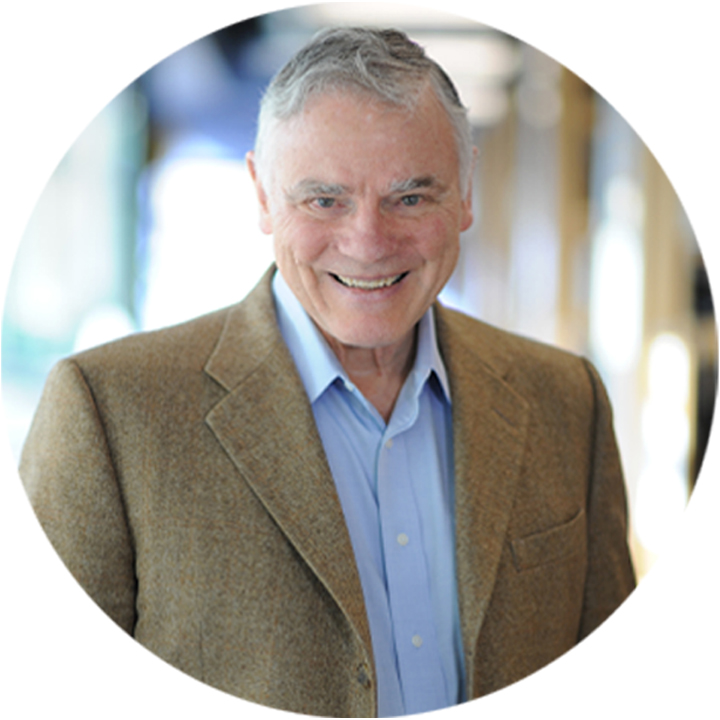
Dr. Leroy Hood is a world-renowned scientist and recipient of the National Medal of Science in 2011, Dr. Leroy Hood co-founded the Institute for Systems Biology (ISB) in 2000 and served as its first President from 2000-2017. In 2016, ISB affiliated with Providence St. Joseph Health (PSJH) and Dr. Hood became PSJH’s Senior Vice President and Chief Science Officer. He is also Chief Strategy Officer and Professor at ISB. Dr. Hood is a member of the National Academy of Sciences, the National Academy of Engineering, and the National Academy of Medicine. Of the more than 6,000 scientists worldwide who belong to one or more of these academies, Dr. Hood is one of only 20 people elected to all three.
He received his MD from Johns Hopkins University School of Medicine and his PhD in biochemistry from Caltech. Dr. Hood was a faculty member at Caltech from 1967-1992, serving for 10 years as the Chair of Biology. During this period, he and his colleagues developed four sequencer and synthesizer instruments that paved the way for the Human Genome Project’s successful mapping and understanding of the human genome. He and his students also deciphered many of the complex mechanisms of antibody diversification. In 1992, Dr. Hood founded and chaired the Department of Molecular Biotechnology at the University of Washington, the first academic department devoted to cross-disciplinary biology.
Dr. Hood has co-founded 17 biotech companies including Amgen, Applied Biosystems, Rosetta and Arivale. His many national and international awards include the Lasker Prize, the Kyoto Prize, and the National Medal of Science. Currently, he is the CEO of Phenome Health, Co-Founder and Professor at the Institute of Systems Biology in Seattle, and Co-Director, Center for Human Healthspan, Chief Innovation Officer and Distinguished Professor at the Buck Institute for Research on Aging.
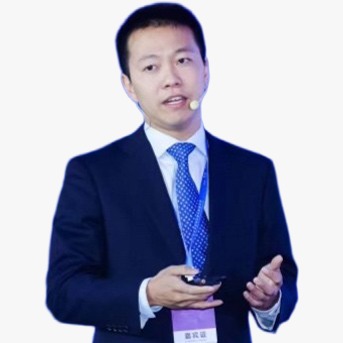
Dr. Koji Tanabe is the Founder, and CEO of I Peace, Inc. I Peace, Inc. is a Palo Alto-based biotech startup focusing on Nobel Prize-winning technology of induced pluripotent stem cells (iPSCs) and has successfully developed a novel system to mass manufacture clinical-grade iPSCs for cell therapy in a palm-sized closed cassette. I Peace supports research institutions and pharmaceutical companies around the globe by providing clinical-grade iPSCs conforming with regulatory standards both in the U.S. and Japan.
Koji earned his doctorate under Dr. Shinya Yamanaka, a Kyoto University researcher who received the 2012 Nobel Prize in Physiology or Medicine for the discovery that adult somatic cells can be reprogrammed to become pluripotent. Koji has been engaged in the iPSC research from the early stage and was the second author of the research paper on the first successful generation of human iPSCs. He founded I Peace, Inc. in 2015, aiming to transform iPSCs as a research tool to an essential commodity of life. I Peace has focused on the development and further refinement of iPSC manufacturing technology since its inception in 2015. In 2019, the company began providing research-grade iPSCs to research institutions and pharmaceutical companies. In 2020, the company successfully developed an iPSCs manufacturing technology in an automated closed, compact, and modular device, paving the way for mass manufacturing of iPSCs with drastic cost reduction. In 2020, I Peace cell manufacturing facility in Kyoto, Japan (Peace Engine Kyoto), obtained a permit by Japan’s Ministry of Health, Labour, and Welfare to manufacture specific cell-based products, and began providing clinical-grade iPSCs. In the same year, the company also began providing personal clinical-grade iPSC banking service. In 2021, the cell manufacturing facility Peace Engine Kyoto received a third-party certification as cGMP compliant. Koji and all the members of I Peace are committed to continuing with our efforts to bring further innovation to the process, business, and the industry as a whole.
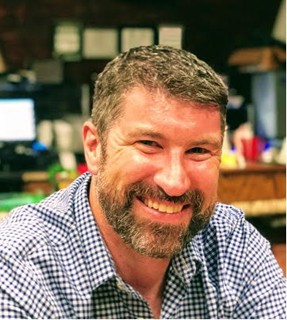
Dr Burns’ lab investigates the link between traumatic brain injury (TBI) and Alzheimer’s disease. Exposure to TBI can quadruple the risk of developing Alzheimer’s disease, and amyloid plaques similar to those seen in Alzheimer’s disease have been found in the brain of TBI fatalities. Dr Burns’ lab recently found that the same pathways that are activated long-term in Alzheimer’s disease are activated short-term after TBI. By blocking the activation of these pathways in mice, the physical disability or memory impairments following brain trauma were completely abolished and the amount of brain damage was reduced by over 70%. This research is providing new insights into how toxic proteins produced in the brain in Alzheimer’s disease and TBI are causing neuronal cell damage and memory loss.

Dr. Michael Conboy is a preeminent research scientist in the Department of Bioengineering at UC Berkeley and a principal investigator within the California Institute for Quantitative Biosciences (QB3). He is globally recognized as a pioneer in the molecular mechanisms of aging and regenerative medicine, best known for developing heterochronic parabiosis—a breakthrough technique demonstrating that the circulatory environment of young blood can rejuvenate aged tissues. Currently, Dr. Conboy leads the Conboy Lab at Berkeley, where he oversees research focused on identifying systemic "pro-aging" factors and developing therapies to neutralize them. He is also a co-founder and scientific leader at Generation Lab, a longevity biotechnology company that translates his decades of research into accessible biological age testing and personalized healthspan interventions. An alumnus of Stanford University, where he earned his Ph.D. in Biological Sciences, Dr. Conboy has been a cornerstone of the Berkeley bioengineering community since 2007, where he continues to teach graduate-level courses on stem cell theory and advance the science of systemic rejuvenation.

Dr. Irina Conboy is a Professor of Bioengineering at UC Berkeley and a principal investigator at the California Institute for Quantitative Biosciences (QB3), where she is widely regarded as a founding pioneer of systemic rejuvenation. She is best known for her landmark 2005 study in Nature, which first demonstrated that heterochronic parabiosis—the surgical joining of young and old circulatory systems—could "reset" the regenerative capacity of aged stem cells across multiple tissues. Currently, Dr. Conboy serves as the Co-Founder and Chief Scientific Officer of Generation Lab, a biotechnology company launched in 2024–2025 to commercialize biological age testing and personalized longevity interventions based on her decades of research into blood-borne signaling. Dr. Conboy earned her Ph.D. in Molecular and Cellular Immunology from Stanford University and has received numerous accolades, including the Glenn Award for Research in Biological Mechanisms of Aging and the CIRM New Faculty Award.

Dr. George Sutphin is an Associate Professor of Molecular & Cellular Biology and the BIO5 Institute at the University of Arizona. He currently serves as Chair & CEO of the American Aging Association. He received his BS (2004) and MS (2006) in Aeronautics & Astronautics and his PhD (2012) in Molecular & Cellular Biology from the University of Washington. He conducted his postdoctoral training in aging genetics at The Jackson Laboratory from 2012 to 2017. Dr. Sutphin's research is focused on understanding the molecular mechanisms of aging and age-associated disease with a focus on the intersection between metabolism and cellular stress response. A secondary focus is on high-content methods development in C. elegans.

Dr. Ronald Primas is a New York-based physician specializing in internal medicine, longevity, and travel medicine with over three decades of clinical experience. He currently operates a high-touch concierge practice where he focuses on "age deceleration" and optimizing healthspan through personalized routines involving senotherapeutics, geroprotectors, and advanced metabolic profiling. A Fellow of both the American College of Physicians and the American College of Preventive Medicine, Dr. Primas also serves as a Clinical Instructor of Medicine at the Mount Sinai School of Medicine. His approach combines traditional internal medicine with biohacking and integrative holistic practices to help patients maximize their biological age.
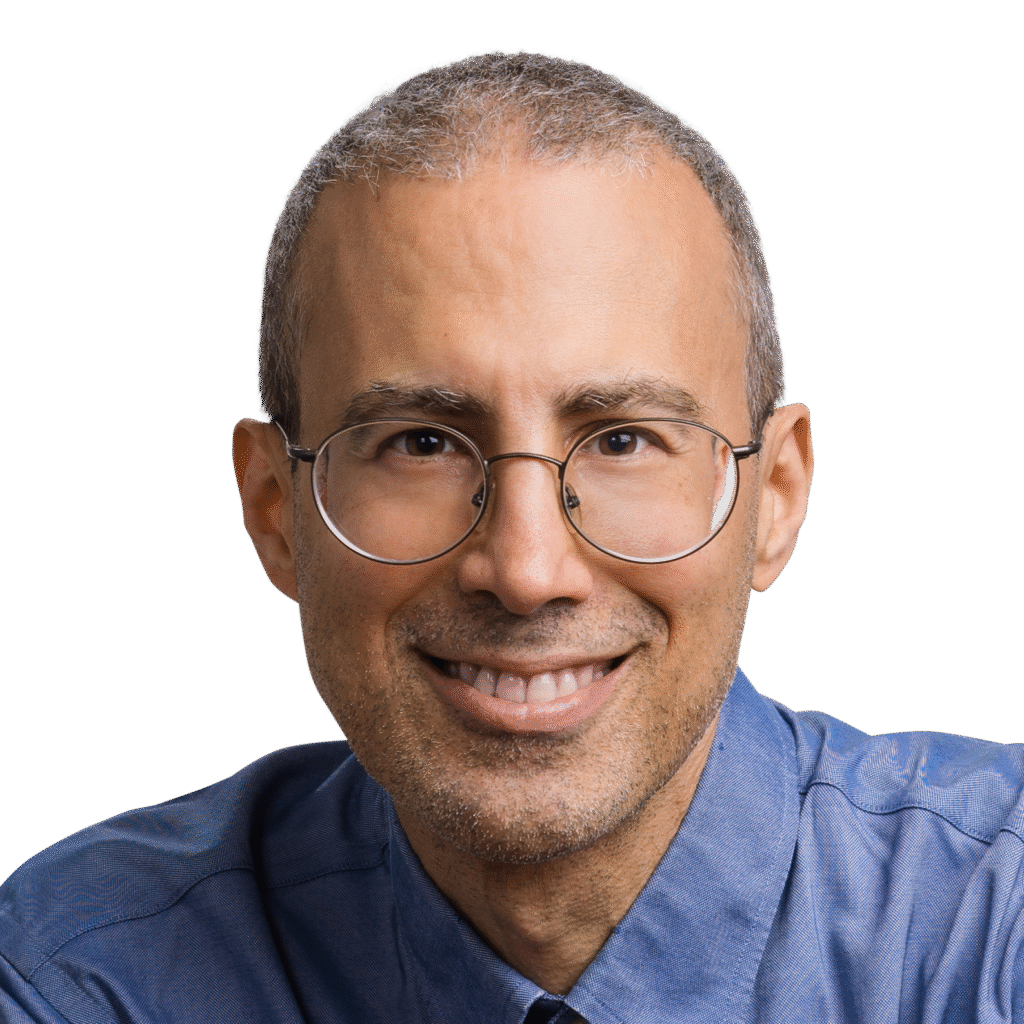
Dr. David Barzilai, widely known in the longevity community as "Agingdoc," is a physician, evidence-based medicine specialist, and the CEO of Barzilai Longevity Consulting. He holds dual doctorates (MD/PhD) from Case Western Reserve University and serves as a lecturer at Harvard Medical School, as well as a founding faculty member and Trustee of the Geneva College of Longevity Science. Dr. Barzilai is a prominent voice in the "Longevity Dividend" conversation, frequently advocating for the economic benefits of delaying age-related disease. Through his consulting firm and popular Agingdoc Longevity Podcast, he translates complex geroscience research into actionable, risk-managed strategies for high-performance individuals and organizations.

Dr. Gina Siddiqui is the Founder and Physician Lead of Carte Medical, a medical strategy firm focused on diagnostic clarity and complex case management. Trained in Emergency Medicine at Yale and a graduate of the University of Pennsylvania School of Medicine, Dr. Siddiqui previously served as the Chief Clinical Officer of Fabric, an AI-driven care platform. She is a recognized expert in "n-of-1" medical strategies, utilizing deep pattern recognition to help patients navigate multifaceted health challenges. In addition to her clinical leadership, she serves on the Scientific Advisory Board for the Alliance for Longevity Initiatives (A4LI) and is adjunct faculty at the University of Virginia and George Washington University Schools of Medicine.
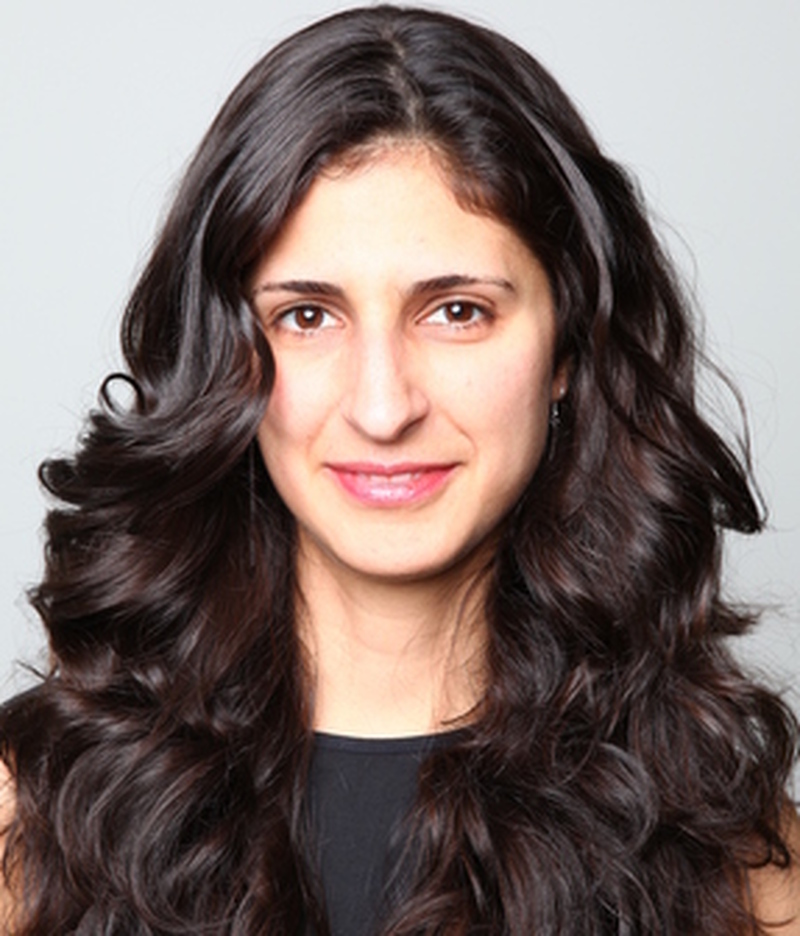
Dr. Tandon bridges the realms of business and science, with over 20 years of experience in biomedical engineering. She completed two advanced degrees at Columbia University: a Ph.D. and postdoc in stem cells and tissue engineering and an Executive MBA in healthcare entrepreneurship. Named one of the 100 most creative people in business by Fast Company, she is also a TED Senior Fellow and MIT & McKinsey alum.

David graduated from the University of Michigan with a degree in Computer Science, David volunteered in different labs at Caltech working on projects that bridged neuroscience and artificial intelligence. Prior to beginning his PhD. David held a position at the Jet Propulsion Laboratory's Artificial Intelligence group. David received his PhD. in September 2021.
During his graduate work in the Gradinaru lab and Thomson lab, he worked to develop a method to better understand the cell types in the brain that get targeted by AAV-based gene therapy delivery, as well as technology to expand the scope of people that can benefit from single-cell transcriptome sequencing by scaling it down to small volumes of self-collected blood.
After graduating, he co-founded ImYoo, a start-up focused on bringing single-cell sequencing to people with chronic immune conditions in an effort to establish the high-dimensional, large-scale data needed to make more personalized medicine.
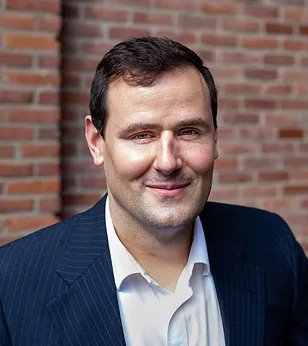
Dr. Ben Pope is the Founder, President and CEO of MelliCell. Cross-trained in biology and engineering, he brings interdisciplinary expertise and management experience to lead our scientific and technology development efforts. Ben has been pursuing a cure for diabetes since his parents' diagnosis over 20 years ago and is an inventor of MelliCell's core technology.

Dr. Eric Verdin is the president and chief executive officer of the Buck Institute for Research on Aging. A native of Belgium, Dr. Verdin received his Doctorate of Medicine (MD) from the University of Liege and completed additional clinical and research training at Harvard Medical School. He has held faculty positions at the University of Brussels, the National Institutes of Health (NIH), and the Picower Institute for Medical Research. Dr. Verdin is also a professor of medicine at University of California, San Francisco. Dr. Verdin joined the Buck in 2016 after spending the previous 20 years as a senior investigator at the Gladstone Institutes, where he served as associate director from 2004 to 2016.
Dr. Verdin's laboratory focuses on the role of epigenetic regulators in the aging process. His laboratory was the first to clone a family of enzymes called HDACs, which regulate histone acetylation. Dr. Verdin studies how metabolism, diet, and small molecules regulate the activity of HDACs and sirtuins, and thereby the aging process itself and its associated diseases, including Alzheimer's. He has published more than 210 scientific papers and holds more than 15 patents. He is a highly cited scientist and has been recognized for his research with a Glenn Award for Research in Biological Mechanisms of Aging and a senior scholarship from the Ellison Medical Foundation. He is an elected member of several scientific organizations, including the American Association for the Advancement of Science, the American Society for Clinical Investigation, and the Association of American Physicians. He also serves on the advisory council of the National Institute on Drug Abuse at the NIH.
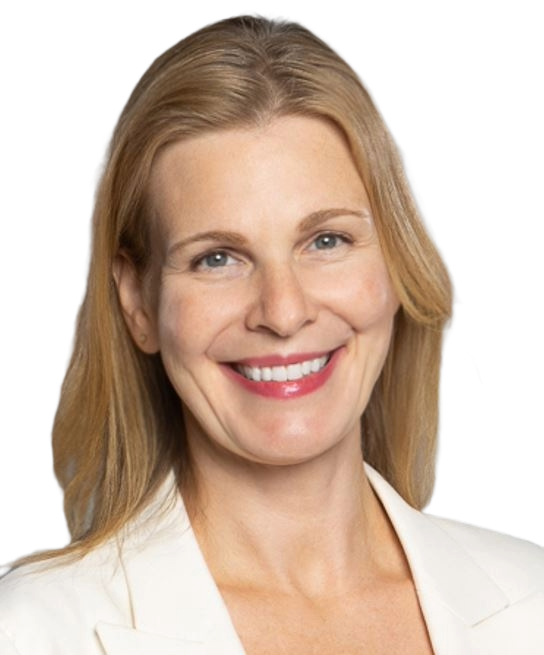
Dr. Jennifer Garrison is Co-Founder and Director of the Global Consortium for Reproductive Longevity & Equality (GCRLE) and an Assistant Professor at the Buck Institute for Research on Aging. She also holds appointments in the Department of Cellular and Molecular Pharmacology at the University of California, San Francisco (UCSF) and the Leonard Davis School of Gerontology at the University of Southern California (USC). She is a passionate advocate for women's health and is pioneering a new movement to advance science focused on female reproductive aging. Her lab studies the role of inter-tissue communication in systemic aging, and how changes in the complex interactions between the ovary and brain during middle-age lead to the onset of reproductive decline in females. She has played an active role in the aging field, as a member of the Board of Directors for the American Aging Association (AGE), a reviewer for the American Federation of Aging Research (AFAR), and as Associate Director of the Buck-USC Biology of Aging PhD program. Dr. Garrison was named an Alfred P. Sloan Foundation Neuroscience Research Fellow and an Allen Institute for Brain Science Next Generation Leader and is the recipient of a Glenn Medical Foundation Award for Research in Biological Mechanisms of Aging, and a Junior Faculty Award from the American Federation of Aging Research.
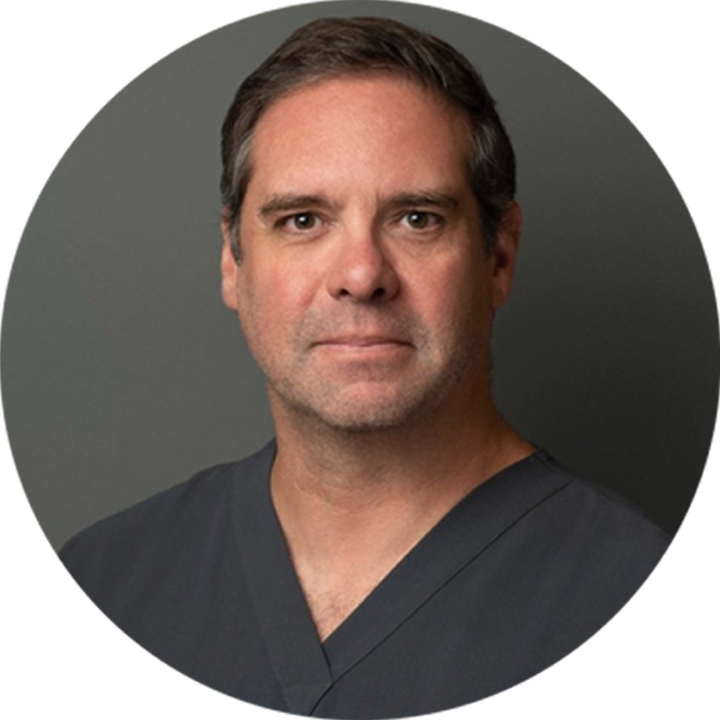
Dr. Ian White currently serves as the CEO and Chief Scientific Officer of Neobiosis, a perinatal regenerative tissue research and manufacturing CDMO, and is the Vice President and a Board Director for the American College of Regenerative Medicine. A prominent leader in the geroscience field, he is the founder of the Space-Aging Research Institute (SARI) and serves as the CSO for both Ways2well and The Regenerative Medicine and Wellness Center of The Bahamas. His advisory work extends to the Scientific Boards of the Healthspan Action Coalition.
Considered a leading expert in stem cell biology and tissue regeneration, Dr. White began his academic career in England before relocating to the U.S. to study gamete biology at Dartmouth College. He was later recruited to Harvard University to work with hematopoietic stem cells and immune cell biology, eventually earning his Ph.D. from the Ansary Stem Cell Institute at Cornell University. His groundbreaking research includes a tenure at the University of Miami's Miller School of Medicine, where he published influential work on the role of peripheral nerve signaling in cardiac regeneration. Today, he remains at the forefront of translating regenerative science into clinical applications to extend human healthspan.
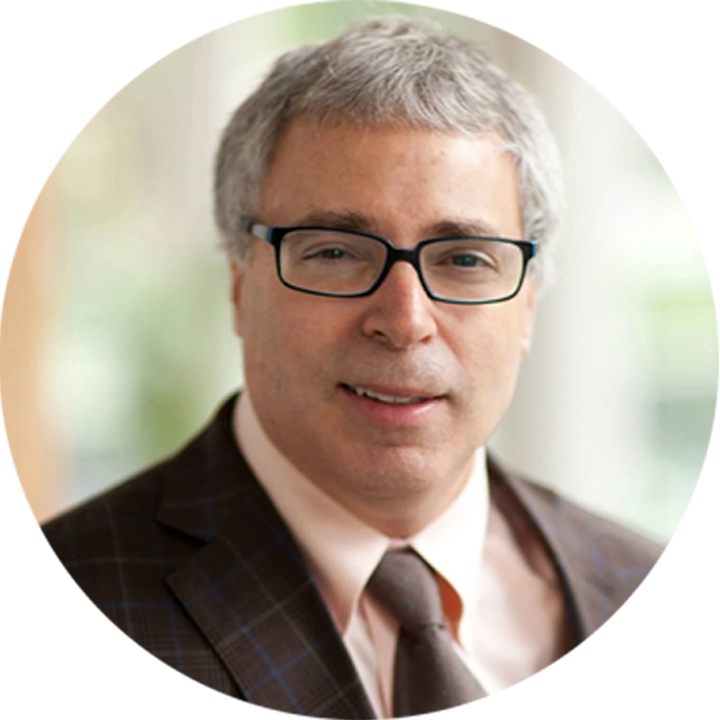
Dr. Nir Barzilai is the Ingeborg and Ira Leon Rennert Chair of Aging Research, Professor of Medicine and Genetics, Director of the Institute for Geroscience at Albert Einstein College of Medicine, and Director of the BIO-Vital Program. He is a leading figure in geroscience and serves as the elected President of the Global Academy for Health & Lifespan Research. His work has helped advance a major shift in medicine: moving beyond treating individual diseases to targeting the biology of aging itself to extend healthspan.
Dr. Barzilai's research focuses on fundamental mechanisms of aging, including the biological effects of nutrients on lifespan and the genetic determinants of exceptional longevity. His studies of centenarians helped establish the concept that exceptionally long-lived individuals may carry protective genes that delay aging and reduce vulnerability to age-related diseases. He has identified several human longevity genes and continues to characterize the phenotypes and genotypes of people with exceptional longevity through an NIH-supported Program Project. These discoveries have informed therapeutic development, including CETP- and APOC3-targeted approaches.
He also leads major initiatives in aging translational research. Under the auspices of AFAR, he launched the SuperAgers Family Study, which aims to recruit 10,000 families of centenarians. He is Principal Investigator of the FAST initiative, a collaboration between AFAR and ARPA-H designed to identify biomarkers of aging from existing clinical trials and determine which markers change in response to gerotherapeutics. Dr. Barzilai also conceived the multicenter TAME (Targeting Aging with Metformin) study, a landmark effort to establish biological aging as a target for therapeutic intervention.
Dr. Barzilai has received numerous grants and awards from organizations including the National Institute on Aging, AFAR, ARPA-H, and the Ellison Medical Foundation. He has published more than 370 peer-reviewed papers, reviews, and textbook chapters, and has advised the NIH on multiple projects, initiatives, and study sections, including NIA Biology. He serves on the AFAR Board, previously served as its Scientific Director, and is also a member of the Executive Committee of the Longevity Biotech Association and the Council of the Healthy Longevity Medicine Society. He is a Fellow of the Association of American Physicians and the New York Academy of Medicine, and his honors include the Beeson Award, Senior Ellison Foundation Award, Paul Glenn Foundation Award, NIA Nathan Shock Award, Irving S. Wright Award of Distinction in Aging Research, Rifkin Lectureship, and the IPSEN Longevity Award.
His work has been featured widely in major newspapers, magazine, podcasts, television programs, documentaries, and TEDx and TEDMED talks. He appears prominently in Ron Howard's National Geographic documentary "The Age of Aging" and has advised or presented on the promise of targeting aging to leaders in government, industry, finance, and faith-based institutions, including the Prime Minister's Offices of Singapore and Israel, the Vatican, the Milken Institute, and the World Economic Forum in Davos. His book, Age Later, was published in 2020.

Dr. Martin Borch Jensen is co-founder and chief scientific officer of Gordian Biotechnology, the first company to discover novel therapeutic targets for complex diseases through pooled in vivo screening. He led the development of the technology to study disease biology directly inside living organisms and continues to guide therapeutic development across multiple indications. In addition to his work at Gordian, Martin is founder and president of Norn Group, a "do tank" advancing longevity research through grantmaking, talent development, and strategic roadmapping.
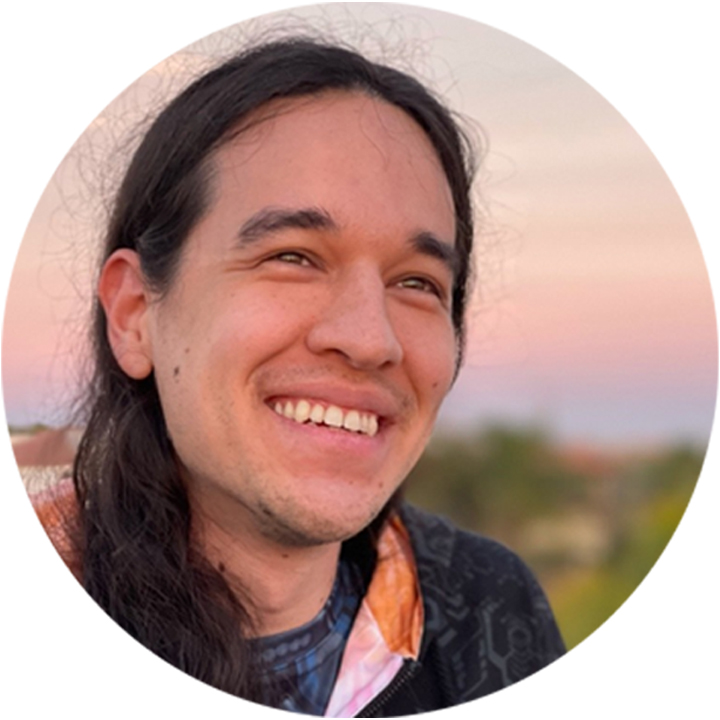
Mac is the Founder and CEO of Minicircle, driving our organization’s long-term vision, trajectory, and strategy. A true pioneer in biotech, Mac is intent on pushing the boundaries of medicine and technology to challenge disease and death. Having received plasmid gene therapy himself, Mac believes it’s the future of healthcare.
Intuitive innovations — like language, the printing press, or computers — have revealed new and exciting possibilities for humankind throughout history. Mac sees gene therapy as a powerful key to unlocking our next phase of evolution, allowing us to relieve pain and suffering while finding more ways to connect with each other and create a better world. One day, Mac hopes, Minicircle gene therapy will be as accessible as Aspirin.
Prior to founding Minicircle, Mac was the founder of Prophase Biostudios, a nonprofit open-access biotechnology research and entrepreneurship training laboratory that spurred a culture of innovation and biotech entrepreneurship in Austin, Texas. Mac studied chemistry and physics at the University of North Carolina Pembroke, where he met Walter Patterson, who now serves as the Chief Scientific Officer and President at Minicircle.
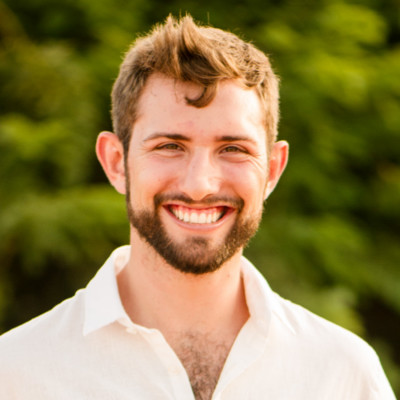
Sam Budoff is a computational neuroscientist specializing in interdisciplinary approaches spanning statistics, machine learning, and experimental biology. He completed his Ph.D in the Poleg-Polsky Lab at the CU Anschutz Medical Campus where he mapped all retinal ganglion cell subtypes' spatial distributions – a challenge that had remained only 25% solved over 30 years. Earlier in his career: he was the 13th employee of Modern Meadow, where he built the biochemical analytics department from scratch; co-founded BaconBio, where he led the team to secure a cell-culture focused patent and develop an MVP; and has earned master's degrees in both Neuroengineering and Applied Statistics. He is now the CEO of Parley Neurotech where he aims to develop breakthrough treatments focused on solving central hearing loss.

Panos is the cofounder of PNOĒ. After years of technical and commercial development, PNOĒ is now a leader in early chronic disease detection and development of health optimization programs. PNOĒ is trusted by leaders in science, academia, and healthcare, world champions, as well as tens of thousands who rely on its data and science-based programming to be healthier and fitter. Panos holds an MS degree in Management Science and Engineering from Stanford University and a BS degree in Mechanical Engineering from the National Technical University of Athens. Following his graduate studies, he worked as a product manager and business developer in Silicon Valley but quickly transitioned to entrepreneurship. He is a Y Combinator alumnus, and in 2015 joined Forbes 30 under 30. He is passionate about analyzing systems and for him, the human body is the most complex, intriguing, and unexplored one.
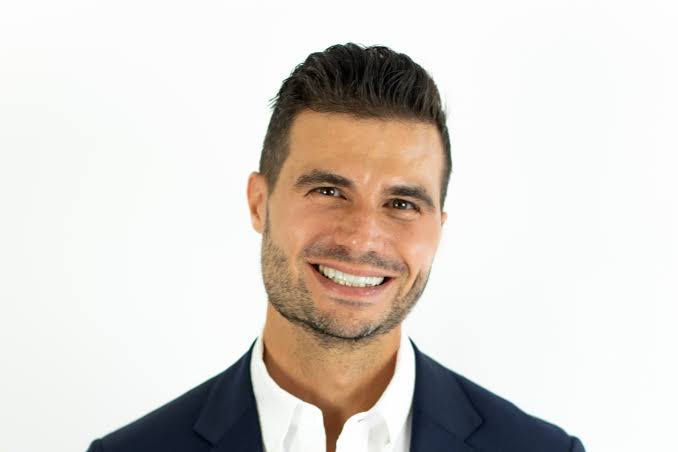
Chris Mirabile is a globally recognized expert and public speaker on longevity and aging. After surviving a brain tumor, Chris Mirabile began questioning why medicine waits for disease instead of protecting health earlier. That question led him to collaborate with leading scientists from Harvard, MIT, the Salk Institute, and beyond to build NOVOS: a company dedicated to preserving health before decline begins. What started as a personal journey became a commitment to helping people extend both longevity and quality of life through better science, better tools, and better standards.
He’s a member of the prestigious Longevity Biotechnology Association and Healthy Longevity Medicine Society, National University of Singapore, and more, on addressing aging with novel formulations and advanced biological age tests. Chris has launched multiple successful tech ventures and advised biotech startups and hospitals. Chris’ blog, SlowMyAge, shares his journey and expertise to achieve the lowest biological age possible through realistic, attainable interventions.

Carla Pareja Paris is a cross-border transactional and regulatory attorney. She most often advises clients on corporate work, finance deals, and mergers and acquisitions. Ms. Pareja often works across international borders, including most often in relation to Europe and Latin America. Admitted to practice law in Spain, as well as California, Ms. Pareja is experienced in both civil and common law systems.
She has represented clients across a broad range of industries, including the technology, manufacturing, hospitality, natural resources, real estate, and financial industries, as well as emerging industries like longevity. Ms. Pareja is an accomplished entrepreneur, having founded an enterprise in her hometown of Barcelona and operated it over a nine-year period as a provider of lead generator personnel to multi-national businesses participating in medical and technological exhibitions and trade events throughout Europe.
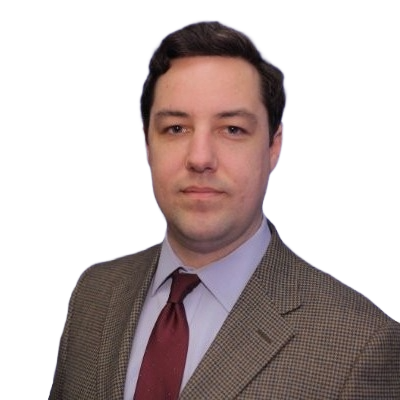
Lee Nunley is the Director of Strategic Initiatives at the American Federation for Aging Research (AFAR). He’s dedicated to advancing biomedical research in aging and supporting the organization’s mission to extend healthspan. In this role, he leads initiatives to address bottlenecks in geroscience, including work on pioneering efforts like the FAST (Finding Aging biomarkers by Searching existing Trials) project, TAME (Targeting Aging with Metformin) trial, and the SuperAgers genomic registry. His work involves strategic development, building partnerships with public and private stakeholders, and expanding AFAR’s advocacy and fundraising efforts to elevate the field of geroscience on a national level. Previously, as the Associate Director of Development at Columbia University Medical Center, he managed fundraising and project strategies for the Precision Medicine Initiative. His academic background includes an MBA from Columbia Business School and a post-baccalaureate in pre-medical studies, grounding his work in both technical and clinical insights.

Dr. Elser is the founding CEO of Ship of Theseus. Working at Palantir, he has led the digital transformation team of a global life science and pharmaceutical manufacturer over the course of 5 years. He authored How to Talk to Data Scientists: A Guide for Executives (BEP 2021) and cofounded Buyside, the real estate data analytics platform powering over 100 of the top U.S. real estate brokers. His degrees include a doctorate in Bioengineering from the University of Pennsylvania, where his research focused on stem cell therapy for myocardial infarctions, and a B.S. in Biomedical Engineering from Johns Hopkins University.
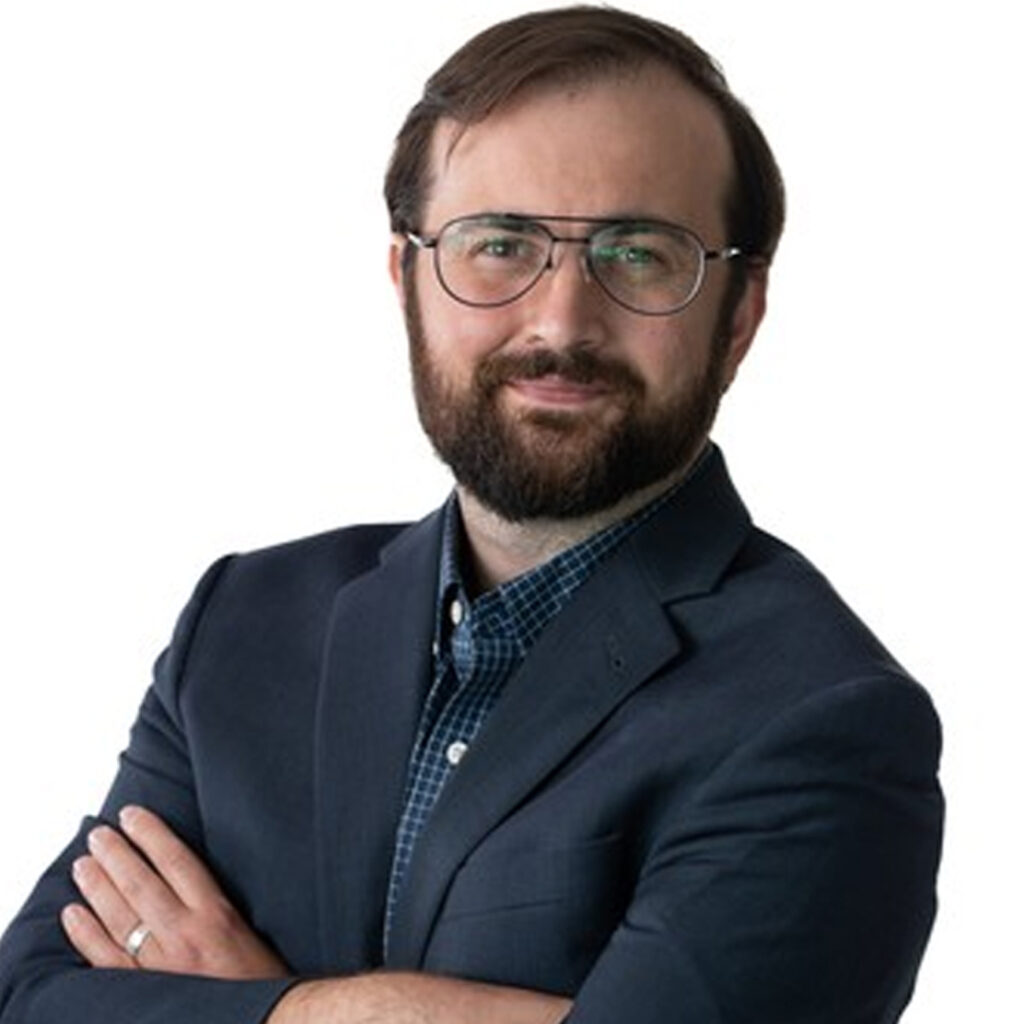
Dr. Benjamin Blue is the Chief Executive Officer of Ora Biomedical, where he leads the company's mission to develop therapies that target the biology of aging to prevent and treat disease. His research focuses on the intersection of aging and disease progression, with an emphasis on identifying interventions that slow the rate of aging itself.
Dr. Blue has extensive experience in laboratory automation and high-throughput screening platforms. He played a key role in developing novel tools to assess how compounds influence aging in C. elegans, contributing to the NIH-supported Caenorhabditis Interventions Testing Program. During his doctoral training in Dr. Matt Kaeberlein's lab at the University of Washington, he pioneered microfluidic techniques for quantifying fluorescent biomarkers in yeast and co-developed the machine learning pipeline that powers WormBot-AI, an advanced platform for automated longevity screening.
Dr. Blue holds a Ph.D. in Molecular Medicine and Mechanism of Disease (M3D) from the University of Washington School of Medicine and a B.S. in Biochemistry from the University of Oregon.
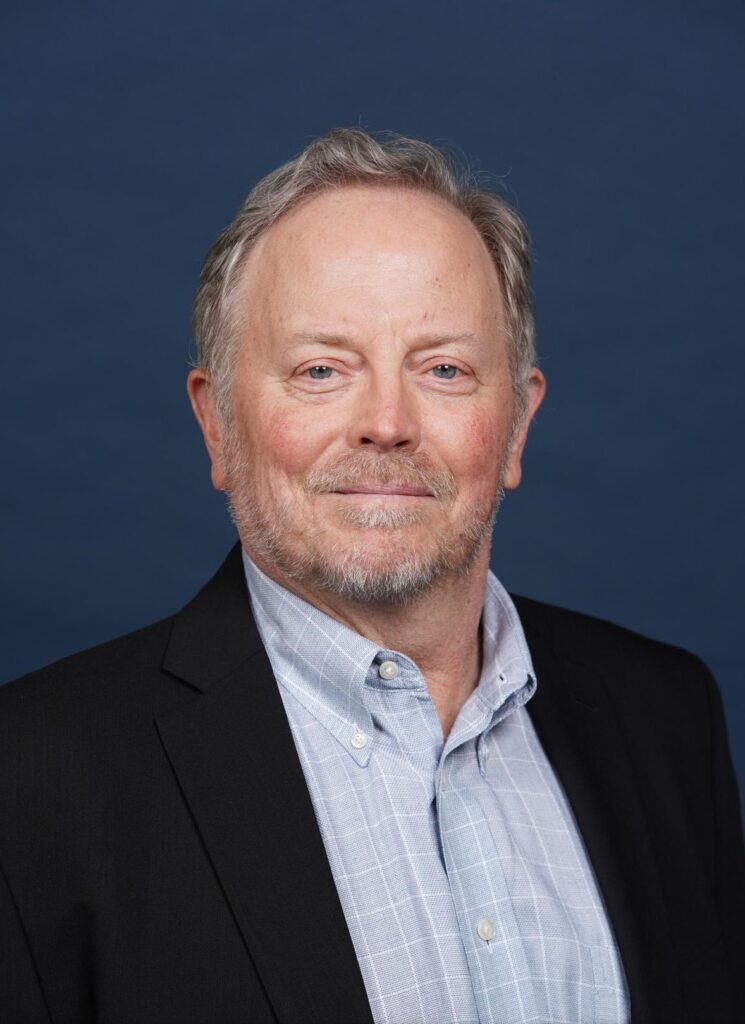
Michael has held numerous positions within the biotechnology and pharmaceutical industry including President and CEO of Marina Biotech; Senior Vice President, Corporate Development, Sirna Therapeutics; Chief Business Officer, Entelos Inc.; and Senior Product Manager, International Strategic Marketing, Bayer, Ag. Michael led the financing efforts for a publicly traded company as well as having sourced, negotiated, and closed over fifty collaboration and licensing transactions. Michael is a former U.S. Army officer who served in Operation Desert Shield/Storm. Among his military decorations are the Bronze Star Medal and Defense Meritorious Service Medal. He holds a B.S. in aerospace engineering from the U.S. Military Academy at West Point and a M.S. in physiology and biophysics from Georgetown University.

Robert "Bobby" Brooke is a bioengineer and biotech entrepreneur who co-founded and serves as CEO & CTO of Intervene Immune, a company focused on reversing age-related immune decline by restoring thymus function. He is also the Executive Director of the Epigenetic Clock Development Foundation (Clock Foundation)—a non-profit spun out of UCLA dedicated to enabling rigorous and widespread use of epigenetic aging biomarkers; in its first three years, it has completed over 300 collaborative studies. Early in his career, he worked in healthcare finance, then founded multiple ventures including the immunotherapy firm that became Iovance Biotherapeutics and the cannabinoid-focused Vitality Biopharma. Notably, under his leadership Intervene Immune conducted the TRIIM clinical trial, demonstrating the first-ever reversal of epigenetic aging in humans and prompting the launch of the larger ongoing TRIIM-X study to regenerate immune function and retard biological aging.
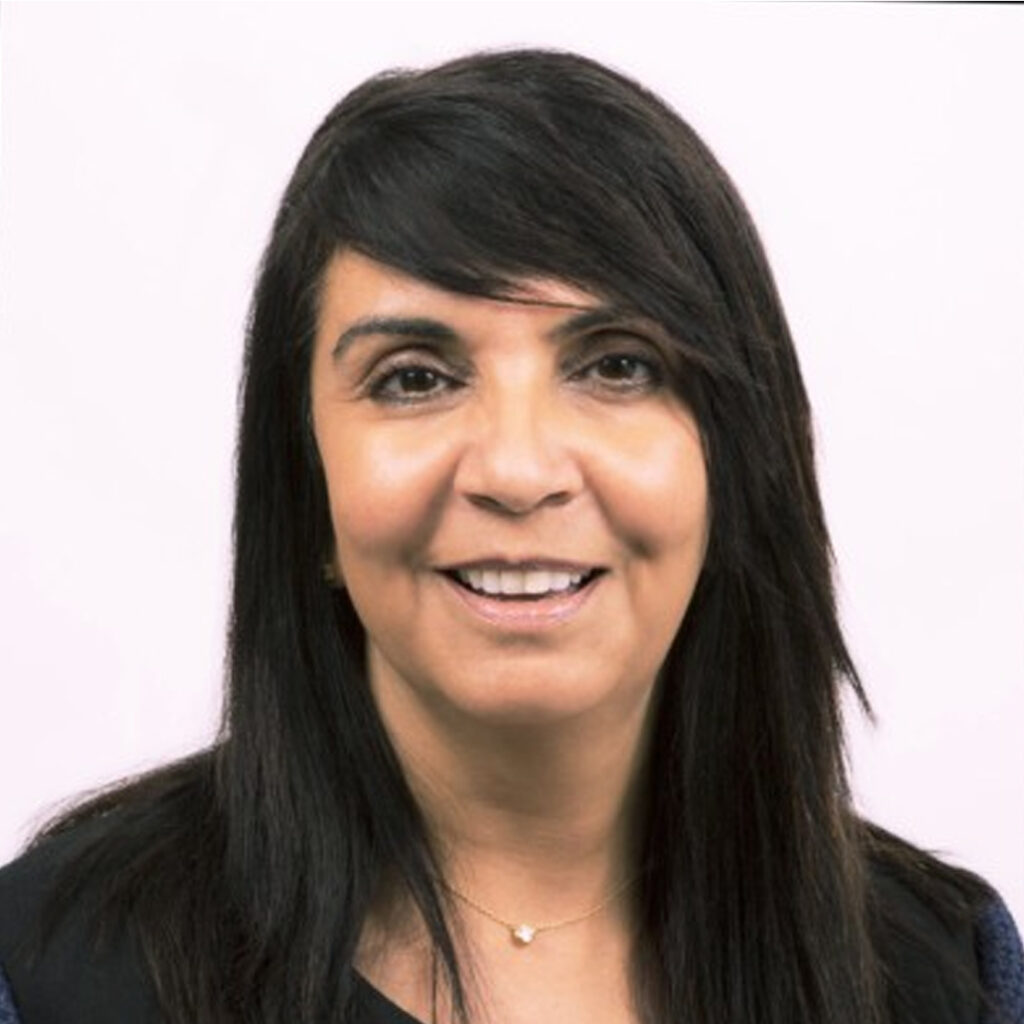
Dr. Reena Bhargava is the Cofounder and CEO of BioTrax AI, as well as a Venture Partner and Consultant serving as Vice President of Clinical Informatics and Data Analytics at the Global Health Impact Network & Funds. Passionate about "the other LLM"—Longevity and Lifestyle Medicine, she is dedicated to building scalable, tech-driven systems for preventive, AI-supported care. A board-certified Internist, Clinical Informaticist, and Lifestyle Medicine Specialist, Dr. Bhargava brings over 20 years of experience in virtual care and digital health innovation. Previously, as Medical Director at Kaiser Permanente, she spearheaded clinical decision support and population health initiatives impacting more than 4 million patients. She completed an NIH fellowship in Insulin Resistance/Metabolic Syndrome at Stanford, later served as an Assistant Professor there, and continues to advise healthtech startups.
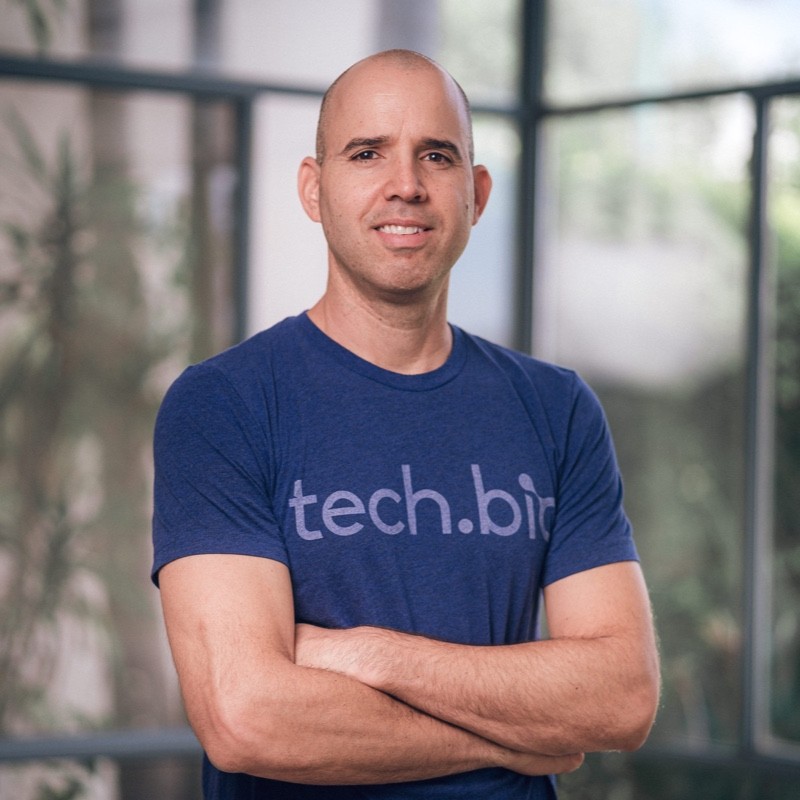
Omri Amirav-Drory, Ph.D. is the General Partner at NFX Bio. He is a scientist and an operator who has founded, scaled, and invested in some of today's most important techbio companies. Before becoming an investor, Omri was the Founding CEO of Genome Compiler, which developed software for genetic engineers and molecular and synthetic biologists. He led the company to a successful acquisition by Twist Bioscience, a next-generation DNA synthesis company currently valued at ~$2.5 Billion. Omri stayed at Twist for almost three years after the acquisition as the Head of Corporate Development. After leaving Twist, Omri became the Founding Partner at Tech.Bio where he invested and advised in companies like Mammoth Biosciences, immunai, C2i Genomics, and more. Now as an investor, Omri understands what it means to be a Scientist-CEO and is committed to a future where this is the norm, not the exception.
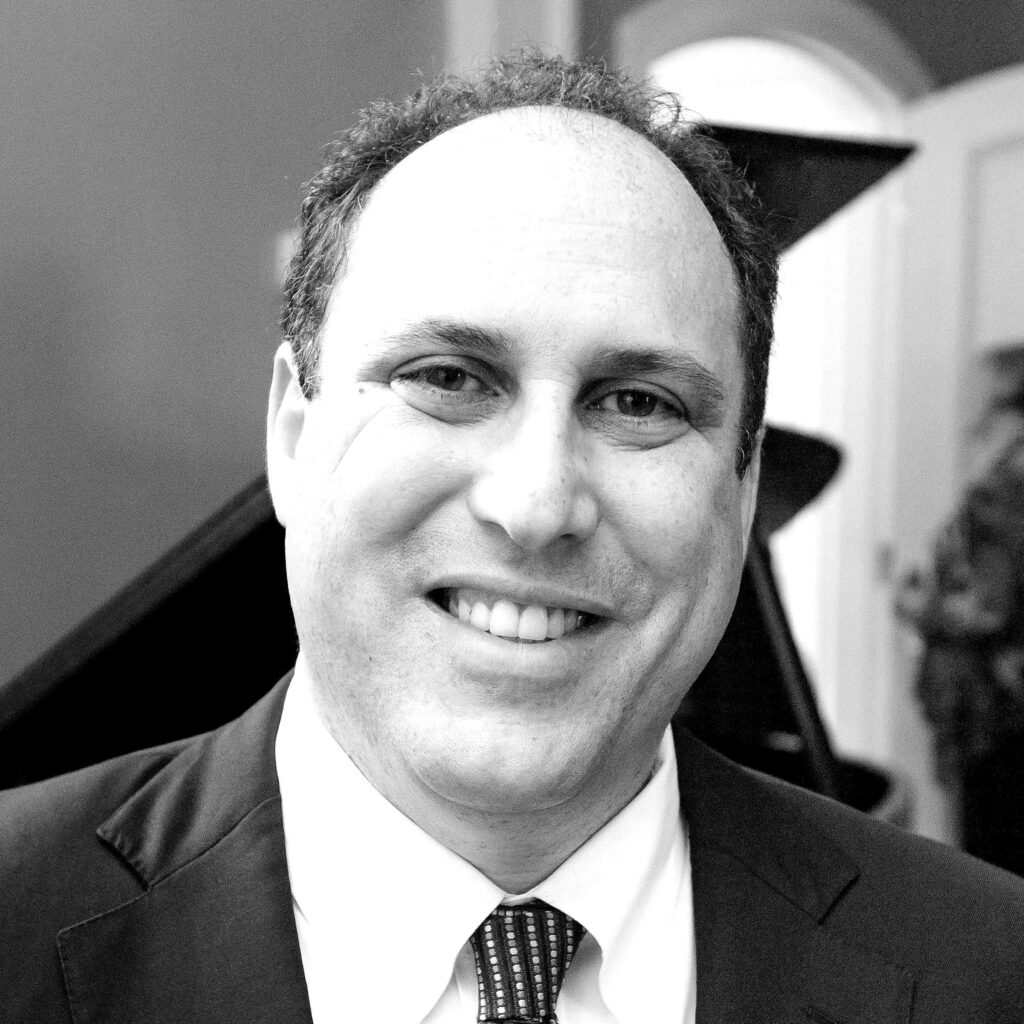
Ethan Berg is the Founder and original organizer of TEDx Berkshires, establishing The Lenox Athenaeum at the Winthrop Estate as the venue for the inaugural event in late 2010. His professional background is rooted in management consulting and investing, having spent several years at the Monitor Group and later founding the G4 Partnership, an investment firm inspired by the principles of Warren Buffett and Benjamin Graham. In the longevity sector, Ethan is a recognized facilitator and advocate who focuses on the intersection of investment, technology, and healthspan extension. He has been a frequent contributor to MOI Global, where he has shared investment perspectives on the geroscience field, notably citing David Sinclair's Lifespan as a foundational influence on his thinking. He is active in the Boston and Berkshire innovation ecosystems, frequently hosting events such as the Boston Health Innovation Night on LongevityTech, which serves to connect entrepreneurs and researchers in the field of aging biology.

Keith Comito is a mathematician, computer programmer, and leading advocate for research aimed at extending healthy human lifespan. In addition to developing foundational infrastructure for high-profile media applications such as HBO NOW and Disney+, he is also the inventor of several technologies relating to digital biomarkers, media streaming, extended reality, and decentralized science (DeSci).
Seeing age-related disease as one of the most profound problems facing humanity, he works to accelerate and democratize longevity research efforts through initiatives such as lifespan.io, A4LI, and VitaDAO. He has developed novel neuroscience / DeSci projects, participated in numerous speaking engagements and press appearances around the world, and has produced several high-impact media projects to inform and engage the public regarding aging research.
In the past he has created popular video games, musical applications, and biotechnology projects featured in Forbes and NPR — such as his work with the Brooklyn community lab Genspace, where he helped create games which allow players to direct the motion of microscopic organisms using galvanotaxis. He earned a B.S. in Mathematics, B.S. in Computer science, and M.S. in Applied Mathematics at Hofstra University, where his work included analysis of the LMNA protein.
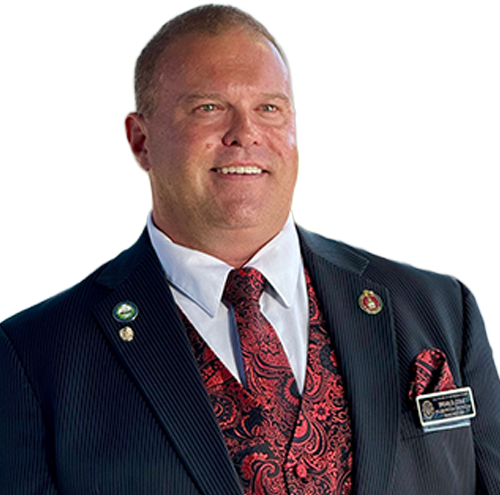
Brian Cole has served as a Republican member of the New Hampshire House of Representatives, representing the Hillsborough 26th district, since December 2022. During his tenure, he has been a member of the House Commerce and Consumer Affairs Committee and currently serves as the Vice Chair of the House Housing Committee and a member of the Ways and Means Committee. In addition to his state legislative work, Cole is a candidate for New Hampshire's 1st Congressional District in the 2026 election, where he has championed a platform centered on energy independence—specifically expanding nuclear capacity—and fiscal responsibility. Cole's work in the legislature and his congressional campaign have increasingly focused on the intersection of public health and economic stability. He has advocated for policies that support "Healthy Aging," emphasizing that a stronger economy is intrinsically linked to a healthy and productive population. Beyond his legislative duties, he brings over 25 years of experience as a small business owner and CEO, and he has served in various leadership roles including the New Hampshire Canadian Trade Council and the Business Finance Authority Board. He remains an advocate for protecting senior programs like Social Security and Medicare while pushing for the modernization of the healthcare system to improve overall longevity.
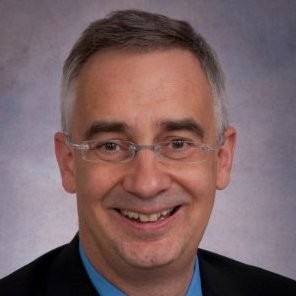
Dr. Elmar Burchardt is a seasoned professional with a diverse background in healthcare, pharmaceuticals, and research. As the Managing Director and CEO of Boston Healthcare Technologies Consultants L.L.C., he brings a wealth of experience from his previous roles, including President and CEO of Hemostemix Inc. and Vice President at Pfizer Inc.
Dr. Burchardt's expertise extends beyond the boardroom; he maintains an active presence in academia as an Adjunct Professor of Clinical Pharmacology at the University of Witten-Herdecke, Germany. His career is further distinguished by his extensive research background, with notable contributions at Bayer AG and numerous publications in scientific journals. He holds multiple degrees, including a D.Sc. and two Ph.D.s, underscoring his commitment to scientific inquiry and advanced studies.
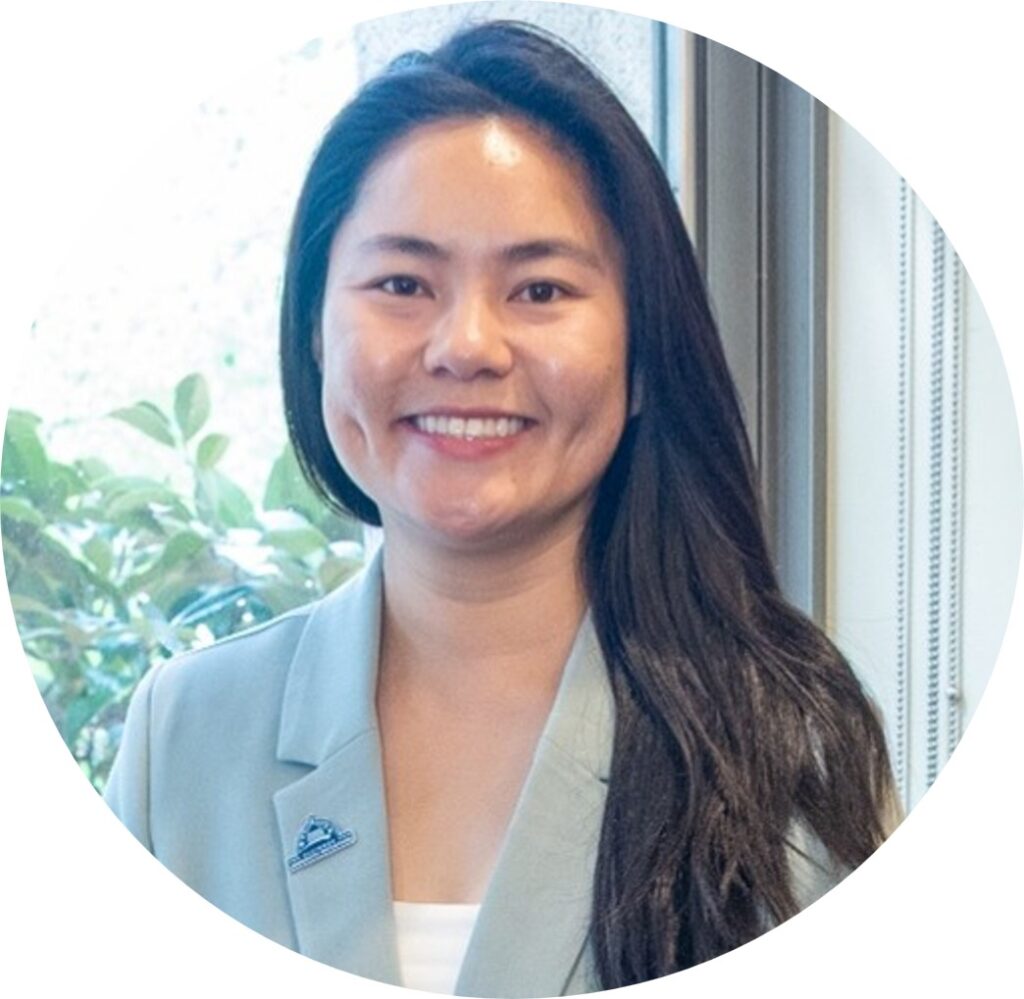
Dr. Brenda Eap is the Vice President of Communications and Partnerships at the Alliance for Longevity Initiatives (A4LI), a 501(c)(4) nonprofit advocacy organization dedicated to advocating for policies that extend human healthspan and combat diseases of aging. In her role, Dr. Eap collaborates with longevity biotech companies and policymakers to draft legislation supporting geroscience research and modernized regulatory frameworks for gerotherapeutics. Dr. Eap earned her PhD in Biology of Aging from the USC Leonard Davis School of Gerontology, conducting research at the Buck Institute for Research on Aging on sex differences and age-dependent decline in ketone body metabolism in mice. Her interdisciplinary expertise bridges scientific research and policy advocacy, with a focus on translating discoveries in aging biology into actionable public health initiatives.
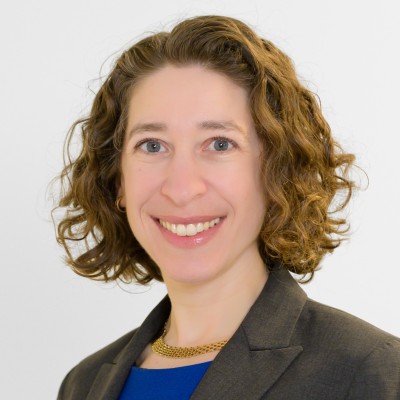
Sara Dauber is a Vice President in the Commercial Banking division at J.P. Morgan, where she specializes in early-stage life science and healthcare ventures. Before joining J.P. Morgan, Sara served as a Small Business Strategic Consultant at the National Institute of Neurological Disorders and Stroke (NINDS). In this capacity, she provided high-level advisory services to SBIR-recipient management teams, coaching them on investor relations, financial modeling, and the creation of effective investment materials. Her earlier career includes various roles in the private sector across pharma, biotech, and medical device startups. Sara holds an MBA from The Harvard Business School and a BA in Biological Sciences from Columbia College in NYC.
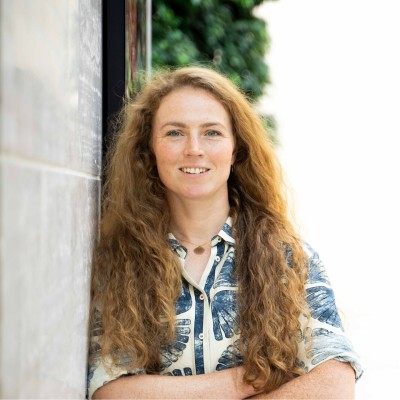
Dr. Stubbs is a world expert in exogenous ketone metabolism and its implications for performance, resilience and health-span. She completed her PhD in Metabolic Physiology at the University of Oxford, studying the metabolism and the application of exogenous ketone salts and esters. Whilst completing her studies, she competed on the British International Rowing Team, and was a two-time World Champion lightweight athlete. Brianna is currently Lead Translational Scientist in the Business Development Team at The Buck Institute for Research on Aging where she is focused on the translation of ketone body research into consumer products and drugs that target healthy aging.

Breanna A. Deutsch has spent her professional career working in the US House and the US Senate, and in policy communications in Washington, DC. After working in the US Congress during heated healthcare debates, she recognized a critical question was missing from the conversation: what is the underlying cause of America's most debilitating and expensive diseases? The answer was, and continues to be, aging. She has researched the intersection between aging, biotechnology and government, and why some of the promising science in the longevity biotech field should be given better standing in the governmental regulatory and appropriations process.
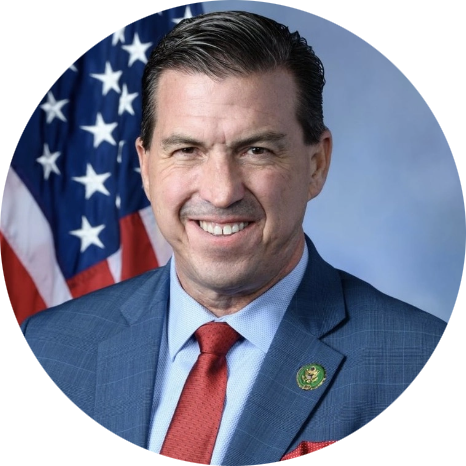
Representing California's 15th District since January 2023, Congressman Kevin Mullin is currently in his second term. He serves on the House Committee on Energy and Commerce, where he is a member of the Subcommittees on Energy and on Commerce, Manufacturing, and Trade. His legislative focus often bridges his experience in state government with federal policy, particularly regarding climate resilience and economic innovation within the Silicon Valley and San Mateo County regions.
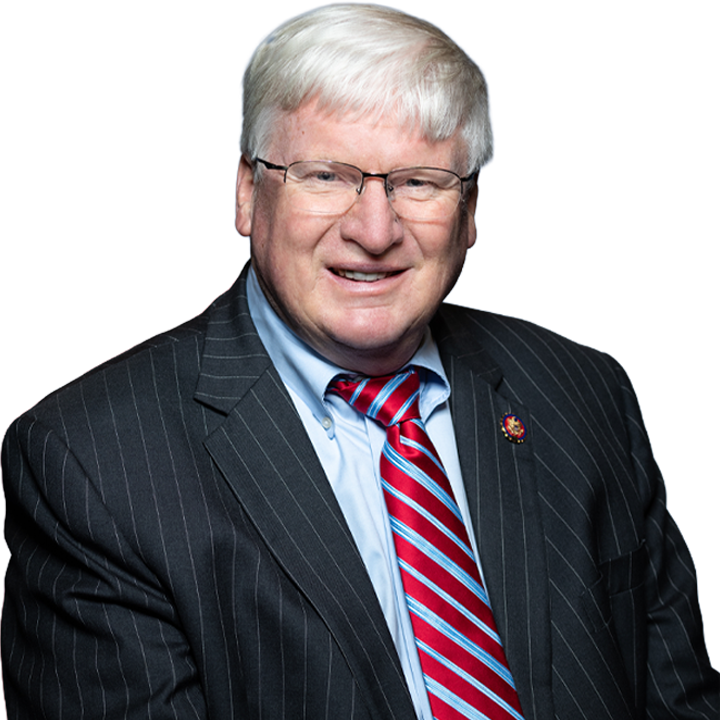
Congressman Glenn Grothman has represented Wisconsin's 6th District since January 2015, marking 11 years of service in the House. He holds a significant leadership role as a senior member of the House Committee on Oversight and Accountability, where he chairs the Subcommittee on National Security, the Border, and Foreign Affairs. Additionally, he sits on the Committee on Education and the Workforce and the Committee on the Budget, positions he uses to advocate for fiscal responsibility and streamlined federal operations.
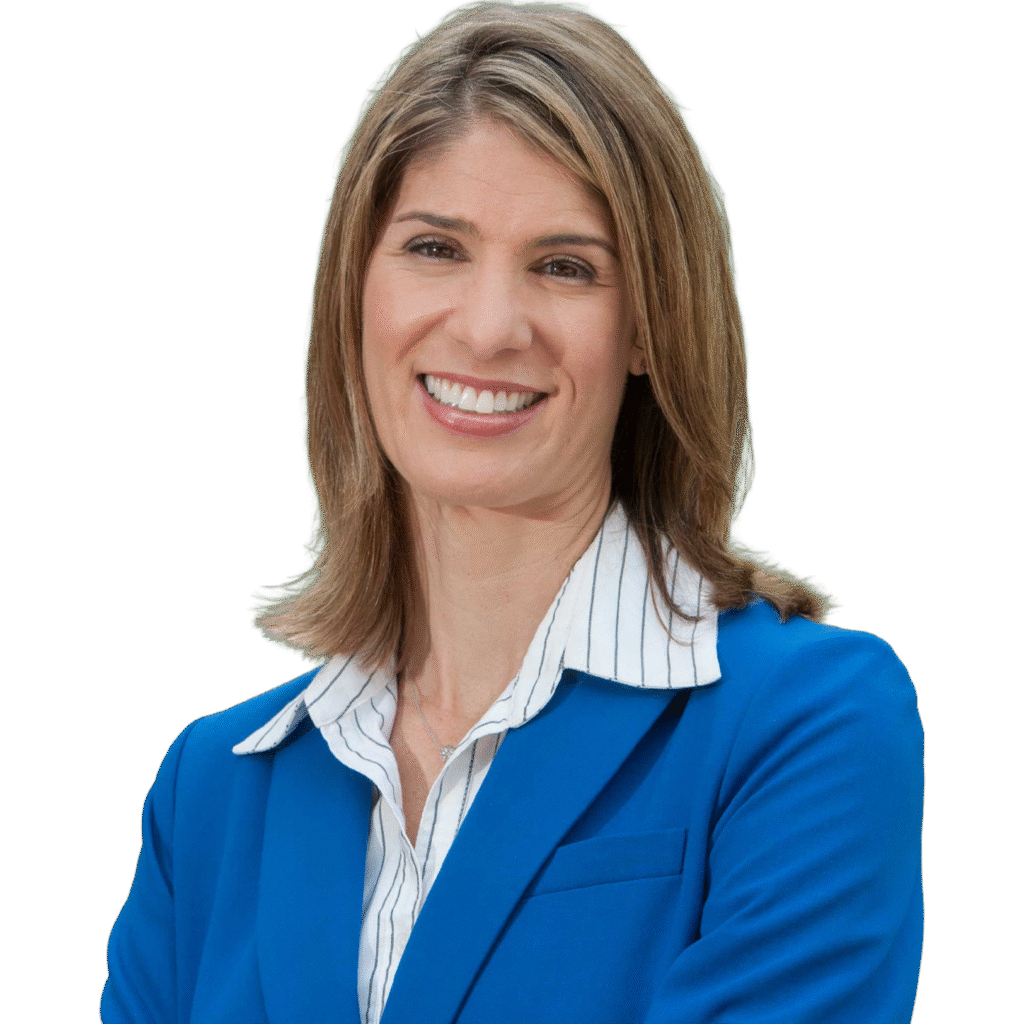
Congresswoman Lori Trahan has represented Massachusetts' 3rd District since January 2019, now in her seventh year of office. She is a member of the influential House Committee on Energy and Commerce, where she sits on three key subcommittees: Health; Commerce, Manufacturing, and Trade; and Oversight and Investigations. Beyond her committee work, she holds leadership roles within the Democratic caucus, focusing on policies that impact public health, digital privacy, and economic competitiveness for her constituents in the Merrimack Valley.
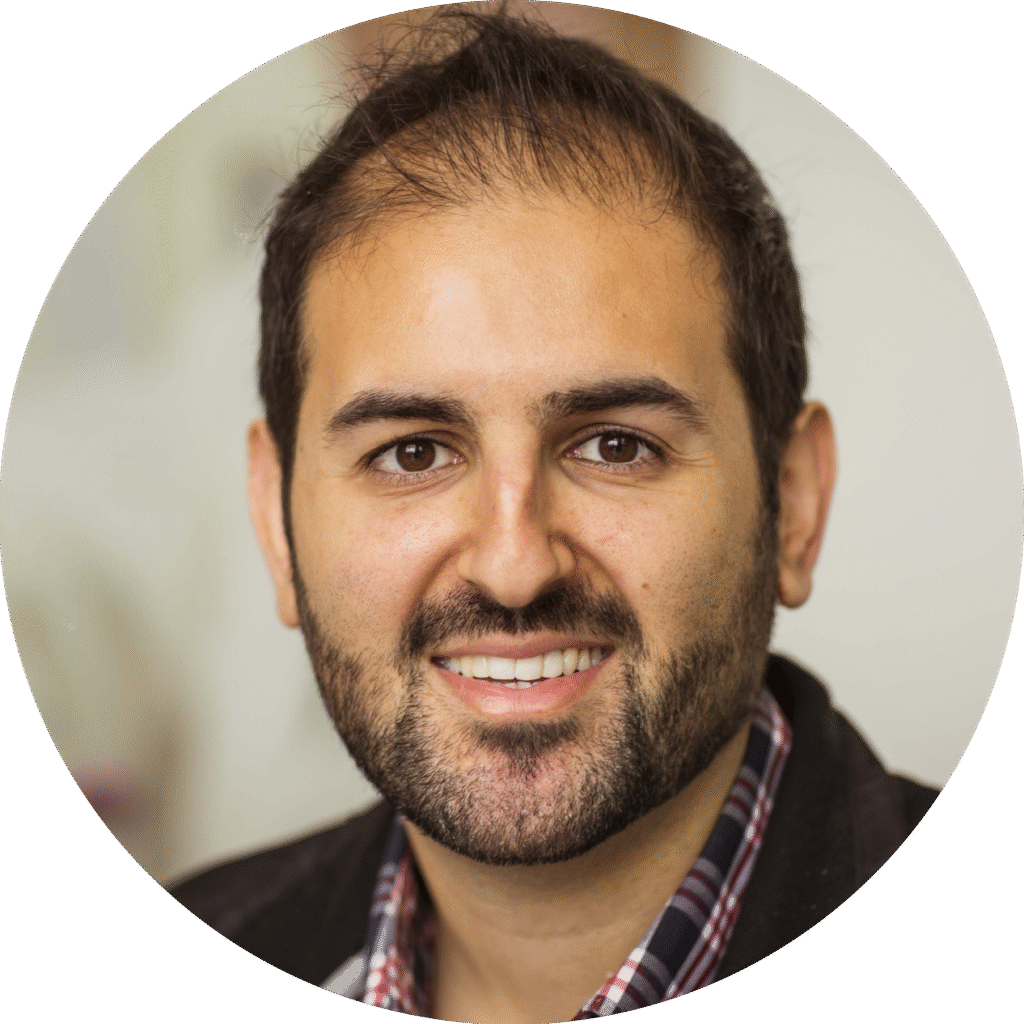
Ali Siam has a unique combination of operating and strategy experience. He was previously CBO at Celmatix, where he led the team to multi-target R&D collaborations with Evotec SE and Bayer AG, and supported the development of their corporate and portfolio strategy. Prior to Celmatix, he led corporate strategy, R&D prioritization, portfolio strategy, and due diligence engagements for biopharma, diagnostic, healthcare services, and institutional investor clients across therapeutic areas (TAs) as a team leader at L.E.K. Consulting. He also led collaborations in a whitespace team at AbbVie, in addition to developing go-to-market, launch, and lifecycle management strategy across TAs. Ali also has strategic marketing and R&D experience from his time at Johnson & Johnson, and holds an MBA from Boston College and a BS in Mechanical Engineering from Northeastern University.
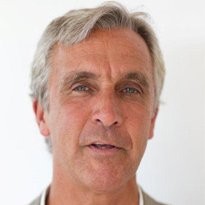
Michael W. Hodin, Ph.D. is CEO of the Global Coalition on Aging, Managing Partner at High Lantern Group, and a Fellow at Oxford University’s Harris Manchester College. He has spoken internationally on the topic of aging, including at G20, APEC, Davos, and the World Knowledge Forum (WKF). He is also a blogger on Medium.
From 1976-80, Mike was Legislative Assistant to Senator Daniel Patrick Moynihan. During this period he was also a Visiting Scholar at Brookings Institution, on U.S. Foreign Economic Policy. He was a senior executive at Pfizer, Inc. for 30 years, where he created and then led its International Public Affairs and Public Policy operations and served on Management Boards for a number of its businesses.
Mike is a Member of the Council on Foreign Relations, and from 2010-2013, was Adjunct Senior Fellow with a focus on population aging. In 2013, Mike was invited by then-Committee Chairman Bill Nelson (D-FL) to lead a Members’ Roundtable with the U.S. Senate Special Committee on Aging. Mike was also the recipient of the 2012 Fred D. Thompson Award from the American Federation for Aging Research. He sits on the Boards of the Foreign Policy Association, Business Council for International Understanding, NYC Blood Center, American Skin Association, American Federation for Aging Research and Emigrant Savings Bank, where he is Chairman of its compensation committee. Mike was a member of the World Economic Forum’s Global Agenda Council on Ageing. And he sits on the Advisory Board for the Milken Institute Center for the Future of Aging.
Mike holds a BA, cum laude, Cornell University, M.Sc.in International Relations from The London School of Economics and Political Science, and M.Phil and Ph.D. in Political Science from Columbia University.
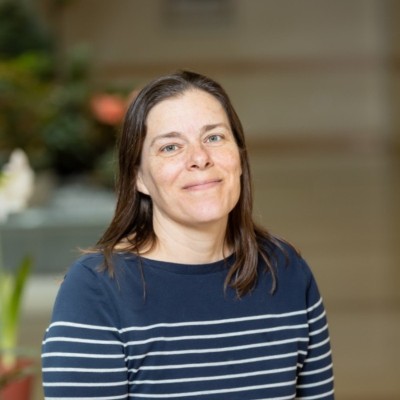
Catherine Kaczorowski, PhD, is a Professor at The University of Michigan and the Elinor Levine Endowed Chair for Dementia Research. Dr. Kaczorowski is a neurophysiologist, an expert in the systems genetics of 'normal' nonpathological Aging and pathogenesis of neurodegenerative diseases including Alzheimer's disease (AD). She has been a driving force in uncovering and describing the phenomenon of cognitive resilience in the context of 'normal' nonpathological aging, AD and more recently Huntington's (HD) and Frontotemporal Dementia (FTD). She is a recognized authority in the development and application of mouse models for studies on aging and age-related neurodegenerative disorders, having pioneered the generation of the first translationally relevant polygenic model of human AD (AD-BXDs) published in Neuron. Her research program entails several collaborative, multisite projects and leverages the innovative, translational integration of multi-scale data (genetics, omics, imaging, behavior) from genetically diverse mouse strains and human patients to identify genetic mechanisms that promote cognitive resilience to normal brain aging, AD, and other age-related neurodegenerative diseases. Her team builds tools that permit dissection of aging specific genetic mechanisms from those controlling the clinical manifestations resulting from disease-specific neuropathologies, which is impossible in human populations. Her recent publications demonstrate the strength of her lab's mouse-to-human research translational workflow that continues to transform the field's ability to model resilience to normal age-related cognitive decline and AD. Taken together, these collaborative works set the foundation of the mouse genetic reference panel, the behavioral and electrophysiological assays for cognitive resilience, the systems genetics and cross-species computational analysis pipeline, and cell type-specific and regional signatures of resilience that are integral to the development of resilience-based therapies to delay or prevent cognitive aging and neurodegenerative dementias.
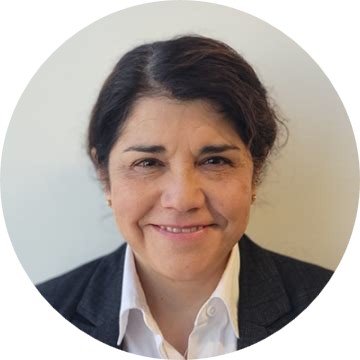
Dr. Viviana Perez Montes, Ph.D., is the Director of the Division of Aging Biology (DAB) at the National Institute on Aging (NIA), where she oversees strategic research into the molecular, genetic, and physiological mechanisms of aging. With over 20 years of experience across academia, government, and the private sector, Dr. Perez is a renowned leader in the field of geroscience. Prior to her current appointment in early 2025, she served as the Vice President of Geroscience at the Hevolution Foundation, managing multi-million-dollar initiatives to extend human healthspan. Her previous tenure at the NIA included serving as a Program Director and a leader for the NIH Common Fund Cellular Senescence Network (SenNet). In addition to her administrative leadership, Dr. Perez has a distinguished background in academic research. She was a tenured Associate Professor at Oregon State University and a Principal Investigator at the Linus Pauling Institute, where her work focused on proteostasis, free radicals, and the biological drivers of longevity. Her research specifically examines cellular senescence and the mechanisms of interventions like rapamycin in mitigating age-related diseases such as Alzheimer's and osteoporosis. Dr. Perez earned her Ph.D. in Biomedical Sciences and her bachelor's degree in Chemical and Pharmaceutical Science from the University of Chile, later completing her postdoctoral training at the Barshop Institute for Aging and Longevity Studies. Throughout her career, she has remained dedicated to bridging the gap between laboratory discovery and clinical application to improve the lives of the aging population.
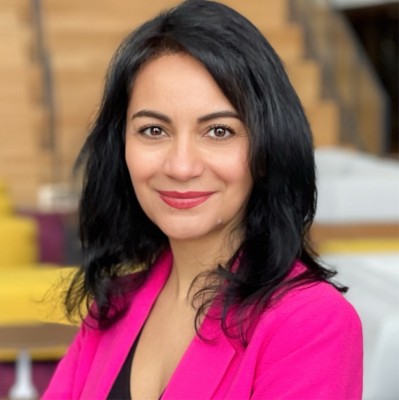
Over 15 years working on Parkinson's disease. Founding CEO at NeuroInitiative since 2014 where she laid out a vision for applying advanced computational drug discovery methods which led to creation of Vincere Biosciences where she is also CEO. Previously she worked with Matt Farrer at Mayo clinic to characterize genetic models of Parkinson's disease and was part of the team that discovered a new pathogenic mutation in VPS35. Her PhD work implemented cutting edge laser capture, microarray, and in vivo siRNA techniques to identify protective genomic changes in Parkinson's models. Recipient of JBJ's 40 under 40 award, winner of One Spark's science award, and supporter of science on the TEDx and March for Science stages.
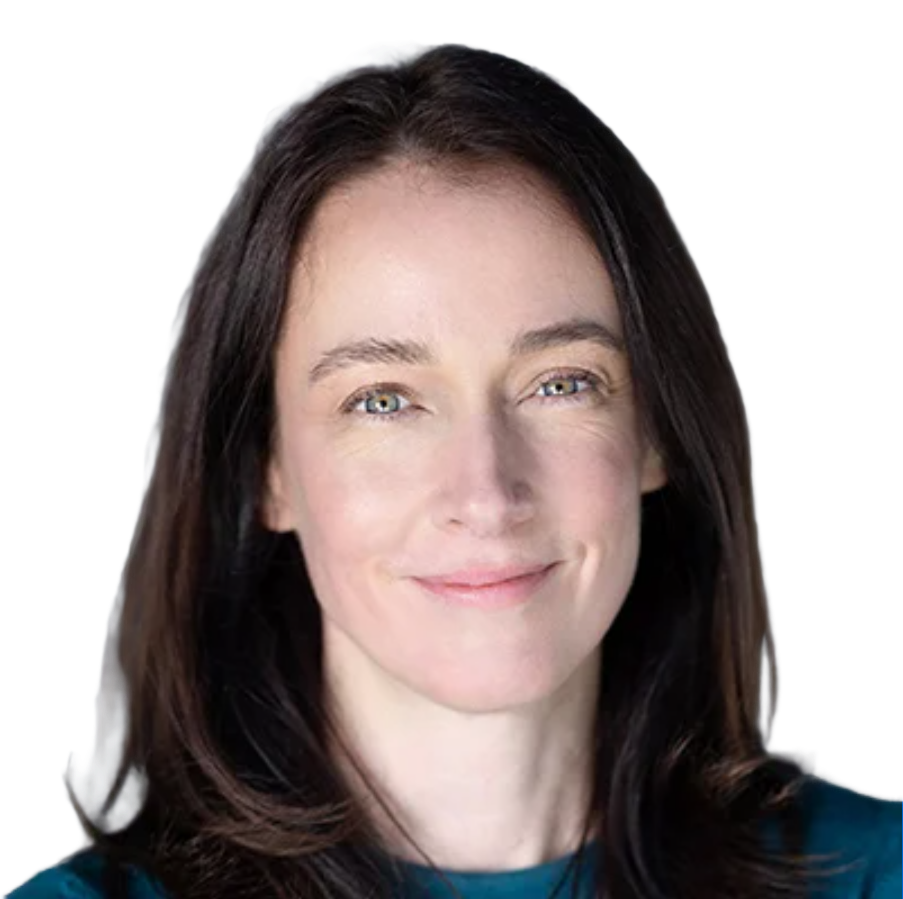
Kristen has served as Chief Executive Officer and board member of BioAge since co-founding the company in 2015. Kristen is a scientifically trained biotech executive with extensive experience building discovery platforms, building teams, fundraising, and scientific & clinical strategy. She serves as an advisor to multiple biotechnology companies. Kristen's scientific background is in aging biology, genetics, and bioinformatics. She received her PhD in Medical Biophysics from the University of Toronto, followed by postdoctoral training at Stanford University where she was a fellow of the Ellison Medical Foundation / American Federation for Aging Research.
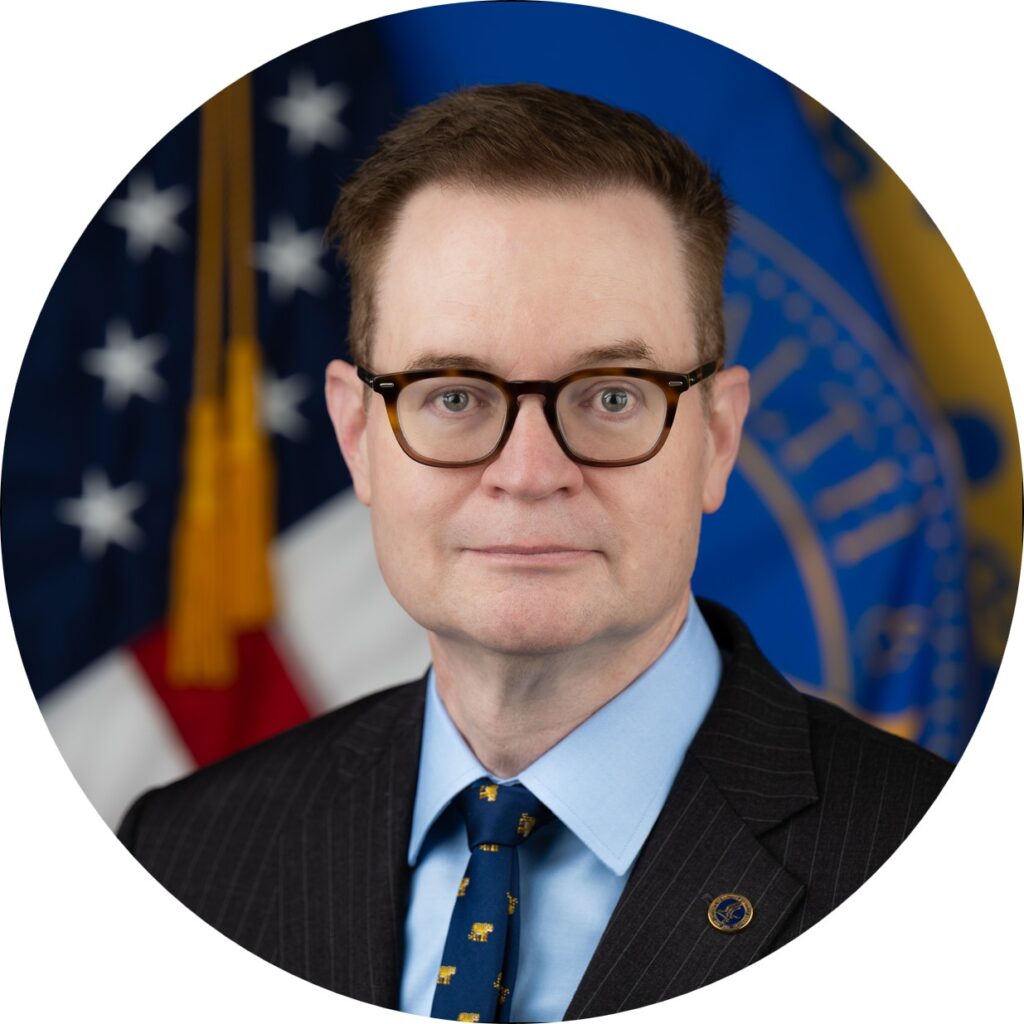
Jim O'Neill is a seasoned healthcare executive and science policy expert who was recently nominated to serve as the Director of the National Science Foundation (NSF). His public service is marked by his tenure as the U.S. Deputy Secretary of Health and Human Services (HHS) from June 2025 to February 2026, where he functioned as the department's chief operating officer. During this period, he also concurrently served as the Acting Director of the Centers for Disease Control and Prevention (CDC), stepping into the role in August 2025 to lead the agency through a significant period of administrative restructuring and policy shifts. O'Neill's work at HHS was characterized by a focus on operational efficiency and a libertarian-leaning approach to federal regulation, particularly regarding the acceleration of medical innovation. Prior to his 2025 appointment, O'Neill established a prominent career at the intersection of biotechnology and venture capital. He served as the CEO of the SENS Research Foundation, a medical organization dedicated to regenerative medicine and anti-aging research, and was a managing director at Mithril Capital Management, an investment firm co-founded by Peter Thiel. His deep roots in the 'Thiel ecosystem' also include serving as the CEO of the Thiel Foundation and co-founding the Thiel Fellowship, which supports young entrepreneurs in science and technology. O'Neill first served at HHS during the George W. Bush administration in several senior roles, including Principal Associate Deputy Secretary. A graduate of Yale University with a master's degree from the University of Chicago, he is a long-standing advocate for modernizing the FDA and utilizing emerging technologies to extend human healthspan.

Karl Pfleger received his PhD from Stanford in Computer Science focused on AI & machine learning, especially deepening neural networks. He worked on practical big-data & AI problems for a decade at Google before switching to focus entirely on the aging/longevity field.
Karl founded AgingBiotech.info, a free, open, nonprofit resource that serves as the internet’s most thorough, organized & structured repository of everything important in the aging field (outside of academia), from companies and phase 3 clinical trials of aging therapies to nonprofits, conferences, podcasts, and more. He is also one of the most prolific early-stage investors in the sector with over 25 companies in his portfolio. In addition, he is a dedicated philanthropist for the field, with a decade of donations to both research and advocacy nonprofits.
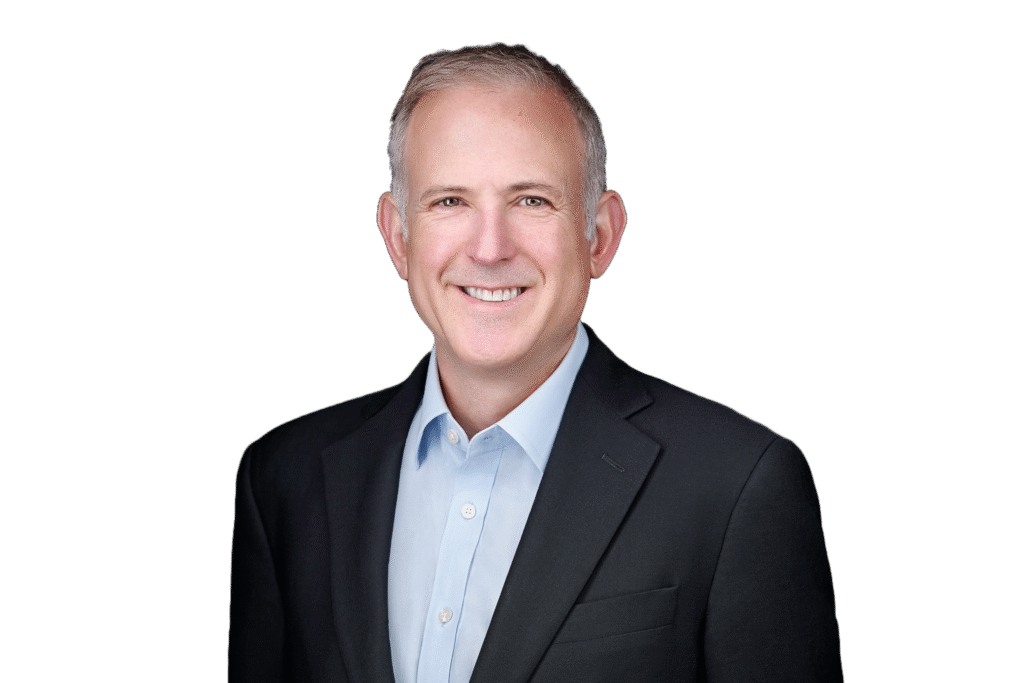
As the chief operating officer for Life Biosciences, Dr. Michael Ringel oversees corporate strategy, market intelligence, business development and investor and public relations. Prior to joining Life Bio, Michael was Managing Director and Senior Partner at Boston Consulting Group (BCG), where he worked for 25+ years, and served in various roles including as the global topic leader for Research and Product Development. He is on the Board of Hevolution Foundation US, the charitable organization focused on extending healthy aging for the benefit of all humanity, and the Board of American Federation for Aging Research, one of the oldest organizations supporting healthy aging through biomedical research. Dr. Ringel holds a B.A. in biology from Princeton University (summa cum laude), a Ph.D. in biology from Imperial College (NSF and Fulbright Fellowships), and a J.D. from Harvard Law School (cum laude).
Jay Olshansky received his Ph.D. in Sociology at the University of Chicago in 1984. He is a Professor in the School of Public Health at the University of Illinois at Chicago, Research Associate at the Center on Aging at the University of Chicago, former Chief Scientist at Lapetus Solutions, Inc. — a company that he co-founded, and former Chief Scientist at Wealthspan Financial Partners, LLC. The focus of his research is on estimates of the upper limits to human longevity, the health and public policy implications associated with individual and population aging, forecasts of the size, survival, and age structure of the population, pursuit of the scientific means to slow aging in people (The Longevity Dividend), and global implications of the re-emergence of infectious and parasitic diseases. During the last 40 years, Dr. Olshansky has been working with colleagues in the biological sciences to develop the modern 'biodemographic paradigm' of mortality — an effort to understand the biological nature of the survival and dying out processes of living organisms. Dr. Olshansky is the first author of The Quest for Immortality: Science at the Frontiers of Aging (Norton, 2001); A Measured Breath of Life (2013); The Rise of Generians (2020); Pursuing Wealthspan (2020); co-editor of Aging: The Longevity Dividend (Cold Spring Harbor Laboratory Press, 2015); and co-editor of Aging: Geroscience as the New Public Health Frontier (Cold Spring Harbor Laboratory Press, 2024). Dr. Olshansky's recent work is focused on linking the scientific study of aging with investments in longevity and mortality related products. Dr. Olshansky is a former Board member, American Federation of Aging Research (AFAR), U.S. Preventive Medicine, and he served on the Board of Scientific Advisors at PepsiCo. Dr. Olshansky has been honored with the Donald P. Kent Award from the Gerontological Society of America, the Irving S. Wright Award from the American Federation for Aging Research, he was named a Next Avenue Influencer in Aging; he received the Alvar Svanborg Award, the Glenn Award from the Glenn Foundation for Medical Research, the Kathy N. Johnson Achievement Award from Home Care Assistance, he was a Senior Fulbright Scholar in France, and was recognized by the Mayo Clinic with the George Randolph and Patricia Scott Visiting Professorship on the Physiology of Aging. In 2022, Dr. Olshansky testified before the U.S. House Committee on Science, Space, and Technology on the topic of aging and Geroscience and how advances in aging biology are about to transform what it means to grow old.

Dr. Alexander Fleming is Founder and Executive Chairman of Kinexum and President and Co-Founder of Kitalys Institute. Dr. Fleming received his M.D. and internal medicine training from Emory, and did fellowships in endocrinology at Vanderbilt and in metabolism at the National Institutes of Health, where he was a senior fellow. At the US Food and Drug Administration from 1986–98, Dr. Fleming was responsible for therapies related to nutrition; disorders of growth, development, and reproduction; diabetes and its complications; and other metabolic and endocrine diseases. He led reviews of landmark approvals including metformin and the first statin, insulin analog, PPAR-agonist, and growth hormone for non-GH deficiency indications. He helped shape FDA policies and practices related to therapeutic review and regulatory communication. He was a major contributor to FDA’s Good Review Practice (GRP) initiative and led the committee responsible for education and training at FDA’s Center for Drug Evaluation and Research (CDER). He conceived of and directed the first FDA pilot project to utilize the internet for regulatory communication. Dr. Fleming has authored many scientific articles, books, and book chapters. He has been a member of many corporate and advisory boards to academic and commercial institutions and professional societies. He serves on the joint technology working groups of the European Association for the Study of Diabetes and American Diabetes Association. Dr. Fleming coined the term ‘metabesity,’ which refers to the constellation of cancer, heart and neurologic diseases, diabetes, and the aging process itself, all which share targetable root causes. He co-founded the Targeting Metabesity Conference, since renamed the Targeting Healthy Longevity Conference (THL), in 2017. Since the inaugural meeting in London, over 200 THL sessions have been produced to date. In 2020, Dr. Fleming started the not-for-profit Kitalys Institute to produce THL and other meetings and support initiatives involving FDA and the US Congress.
Lowell M. Zeta serves as Deputy Commissioner for Strategic Initiatives and Special Counsel at the U.S. Food and Drug Administration, where he leads agency-wide initiatives to advance pharmaceutical quality, manufacturing innovation, and U.S. supply chain resilience. His portfolio includes strengthening domestic manufacturing programs, implementing FDA PreCheck and inspection modernization efforts, and accelerating the use of advanced manufacturing, AI and digital technologies to improve supply chain transparency, regulatory oversight, and timely patient access to safe and reliable medicines.
Dr. Eric Morgen is co-founder and Chief Operating Officer at BioAge. He has extensive experience in drug target and biomarker discovery using high-dimensional datasets from human cohorts, with >20 published papers spanning these areas in aging and diagnostic medicine. Eric was previously an assistant professor at the University of Toronto. He completed residency, clinical fellowship, and a research fellowship in computational biology and molecular epidemiology at Mount Sinai Hospital and the University Health Network in Toronto, where he was also a Canadian Institutes of Health Research (CIHR) research fellow. Eric received his MD, MPH, and bachelors in artificial intelligence from the University of Toronto, where he held a Canada Graduate Scholarship from the CIHR. He is a licentiate of the Medical Council of Canada, a fellow of the Royal College of Physicians and Surgeons of Canada, and holds a specialty designation in pathology.
Sonia Arrison is an entrepreneur, investor, and best-selling author. She is founder of 100 Plus Capital, Chair of the Alliance for Longevity Initiatives, Venture Partner at Portfolia, and advisor to Felicis Ventures, focusing on the convergence of biology and technology. Previously, she was co-founder of Unsugarcoat Media (acquired by Medium), board member at the Thiel Foundation, an associate founder of Singularity University, a director and Senior Fellow in Tech Studies at the Pacific Research Institute, board member at Woodland School, and a weekly columnist at TechNewsWorld. Sonia has always been interested in exponentially growing technologies and their impact on society. Her most recent book, 100 Plus: How the Coming Age of Longevity Will Change Everything, From Careers and Relationships to Family and Faith, addresses the social, economic, and cultural impacts of radical human longevity. It gained national best-seller status and still keeps Sonia busy speaking all over the world. Sonia is currently a Board Member at the Foresight Institute and The Alliance for Longevity Initiatives. She is a Senior Fellow at the Fraser Institute in Vancouver, British Columbia, author of two previous books (Western Visions and Digital Dialog) and author of many papers on technology and public policy.

Dr. Gloria Elliott joined ARPA-H in January 2025 from the Organ Preservation Alliance where she served as president and Chief Science Officer. Prior to that, Elliott was the founding Chief Science Officer of Humanity Bio, a small biotechnology research company focused on human tissue preservation.
Elliott is a professor emerita at the University of North Carolina at Charlotte. Her expertise is in cryobiology and biopreservation technology, especially non-refrigerated methods. She received her doctorate in mechanical engineering from Michigan State University and completed post-doctoral work at Harvard Medical School and the Massachusetts General Hospital Center for Engineering in Medicine.
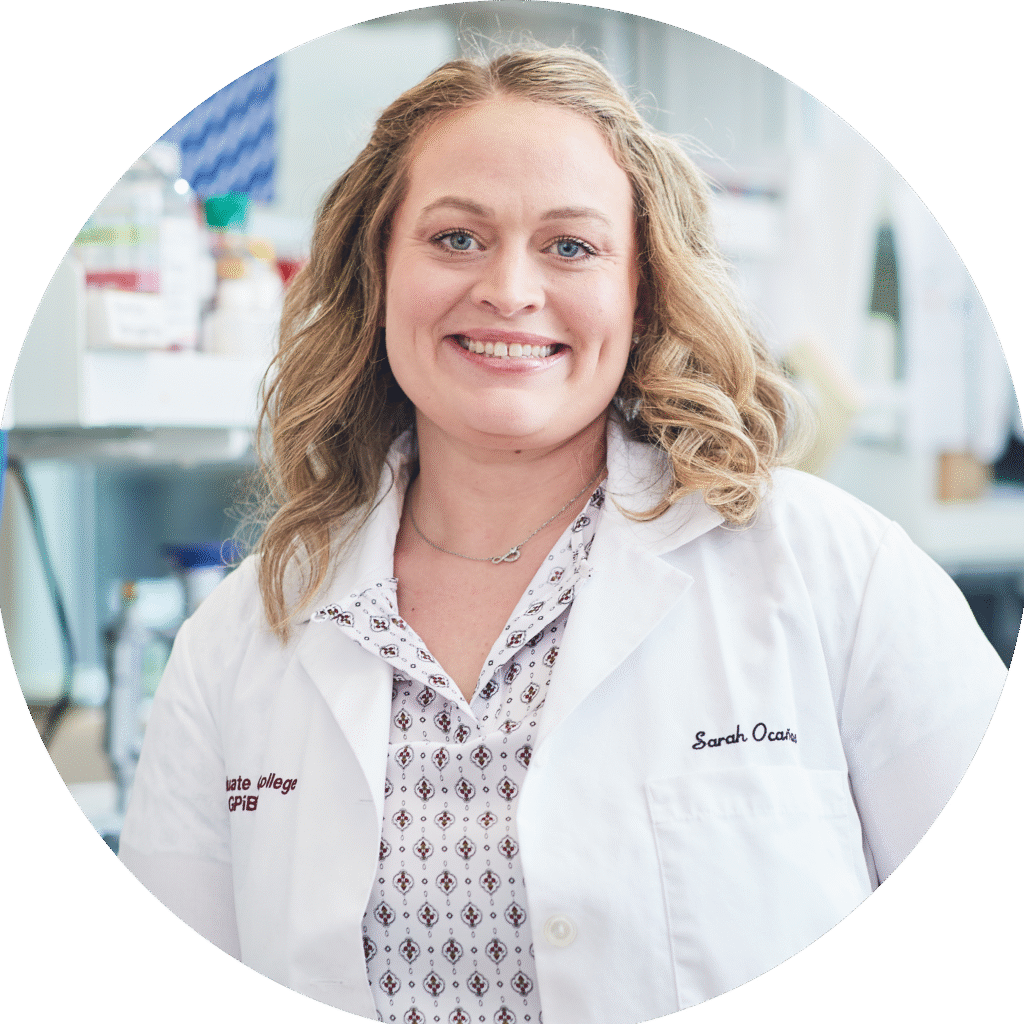
Sarah Ocañas, PhD, is an assistant professor in the Genes and Human Disease Research Program at the Oklahoma Medical Research Foundation (OMRF) and Adjunct Assistant Professor in the Departments of Physiology and Neuroscience at the University of Oklahoma Health Sciences Center (OUHSC). Ocañas was awarded the 2022 NIH Director’s Early Independence Award and recently started her own research group. The Ocañas lab is working to uncover the genomic and hormonal drivers of sex differences in the aging brain and with Alzheimer’s disease (AD), with the ultimate goal of developing sex-informed therapeutics for AD. Ocañas earned her doctorate at the OUHSC for her NRSA-F31 dissertation project, “Epigenetic regulation of sexually divergent neuroinflammation with brain aging and AD.” Before her doctorate, Ocañas completed her bachelor's of science in Biology and Mathematics at the State University of New York Geneseo and her master's of science in Mathematics at the University of Texas at Brownsville, focusing on computational molecular biology.
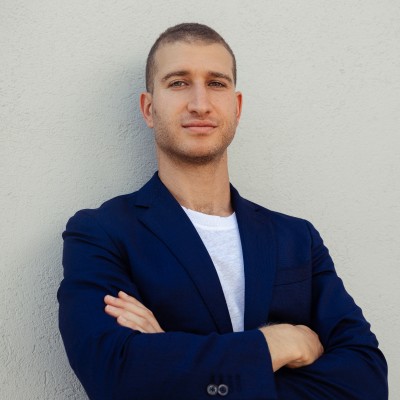
Guy Leitersdorf is the Founder and CEO of Longevity AI, a Tel Aviv-based digital health company revolutionizing preventive healthcare through artificial intelligence. He is also a Lecturer in Medical Entrepreneurship at the Tel Aviv University MBA Program and a Strategic Advisor for Xone Precision Medicine.
With over 10 years of technological leadership and expertise in AI-driven behavioral technology, Guy is pioneering the integration of advanced algorithms, real-time biomarker analysis, and behavioral science to transform how healthcare providers deliver proactive, personalized longevity care.
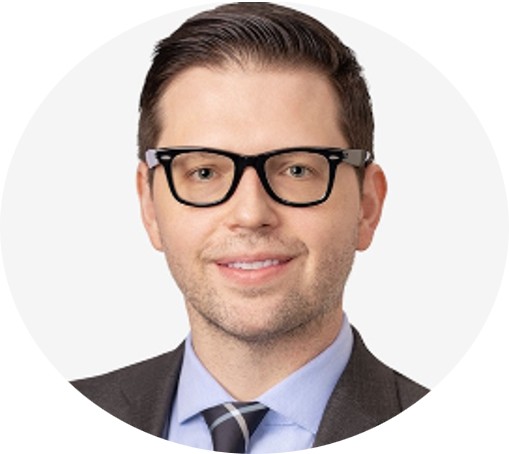
Gayland serves as a strategic legal partner to providers and stakeholders across the health care spectrum, including hospitals, ambulatory surgery centers, physician practices, clinical laboratories, telehealth providers, digital therapeutics companies, and data-driven and AI-enabled health technology firms. He is particularly known for advising clients operating at the intersection of regulated health care delivery, consumer health and wellness, and technological innovation, where traditional health care laws increasingly overlap with consumer protection, data privacy, and advertising regimes.

Tom Zuber is the founder and Managing Partner of Zuber Lawler LLP, a national law firm representing clients worldwide in M&A, finance, IPOs, intellectual property, regulatory work, and litigation. Since founding the firm in 2003, he has grown it from a two-person practice into a top-tier firm with over 50 attorneys across offices in Los Angeles, New York, Chicago, Phoenix, and Silicon Valley. Under his leadership, Zuber Lawler has counseled a wide range of bioscience companies, from Fortune 500 pharmaceutical and biotech leaders to pioneering start-ups developing disruptive longevity solutions. The firm merges sophisticated legal acumen with deep scientific and technical fluency—many attorneys hold degrees in biosciences, engineering, and related fields—enabling representation in genomics, regenerative medicine, cellular therapies, and AI-driven drug discovery.
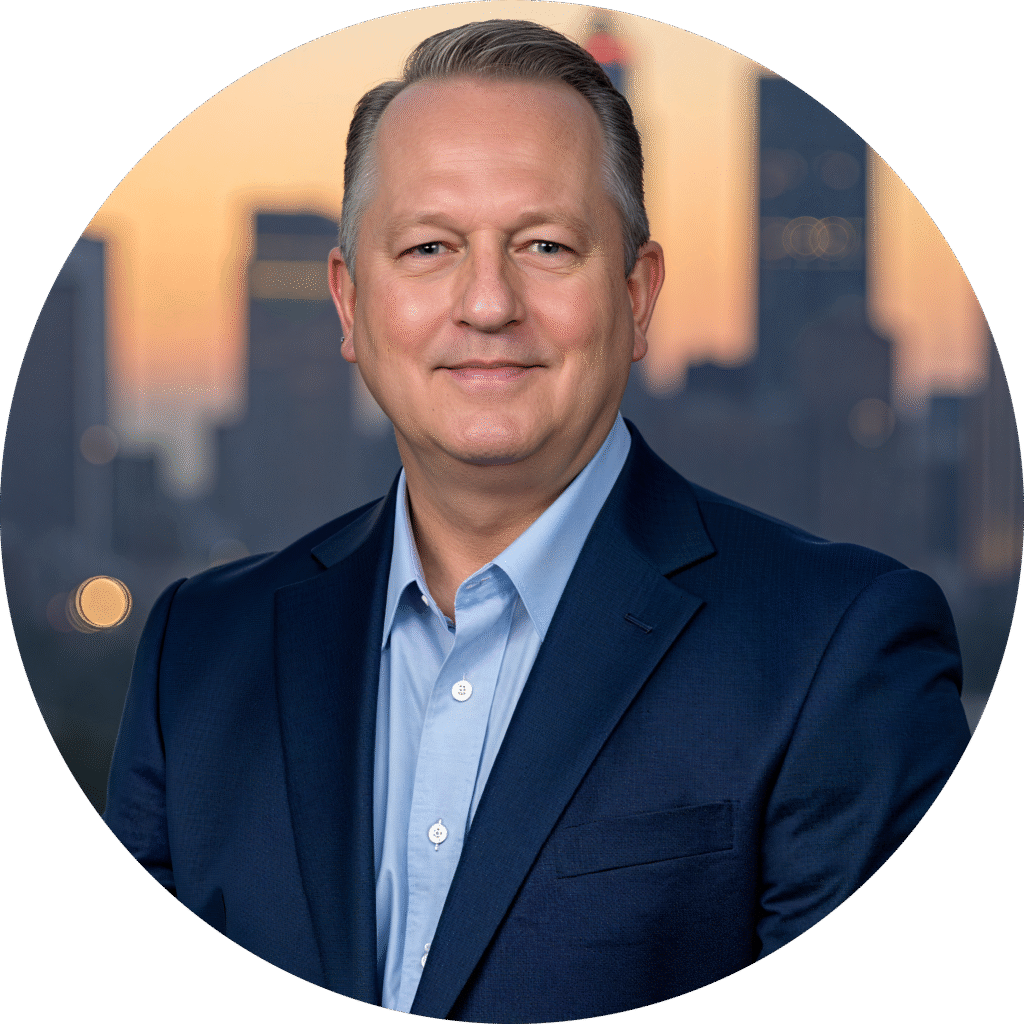
Pete O’Heeron is one of the most preeminent biopharma inventors of his generation, with over 350+ patents issued and pending in the areas of biologics, cell therapy and medical devices. Mr. O’Heeron is Chief Executive Officer of FibroBiologics and a seasoned leader in his field comprising over 25 years of experience in medical technology and biotech development. As CEO, he has positioned FibroBiologics to become a global leader in fibroblast-based cell therapies with the development and commercialization of therapies that can cure and treat patients suffering from chronic diseases. He brings together multi-disciplinary teams and resources necessary to commercialize unique technologies and currently holds 350+ Patents Issued/Pending.
Prior to founding FibroBiologics/FibroGenesis, LLC, he founded an operational investment group, Advanced Medical Technologies, LLC, that identified early-stage opportunities in the medical field with strong intellectual property potential. He also founded NeoSurg Technologies that developed the T2000 Minimally Invasive Access System. The sale of NeoSurg Technologies to Cooper Surgical occurred in 2006.
He brings decades of executive-level experience at Christus Health Care Corporation and strategic advisory to healthcare companies in the areas of biologics, advanced surgical instrumentation, and telemedicine to his company along with an academic foundation rooted in healthcare administration. He received his Bachelor’s Degree in Healthcare Administration at Texas State University, his Masters in Healthcare Administration from the University of Houston Clear Lake, and his Executive Management Certification in Mergers and Acquisition from University of Chicago.

Roschon Johnson is an American professional football running back for the Chicago Bears of the National Football League (NFL). He played college football for the Texas Longhorns and was selected by the Bears in the fourth round of the 2023 NFL draft.
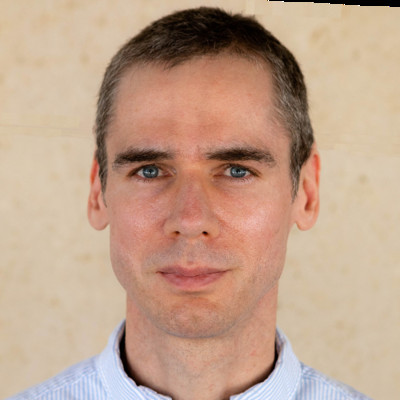
Dr. Ramunas switched from electrical engineering to biochemistry when he read a 1998 Science paper on telomeres, the tips of DNA that shorten with each cell division, until they stop stem cells from dividing, halting regeneration and driving aging and disease. This simple yet central mechanism of aging inspired him to pursue technologies to reverse such mechanisms to prevent aging and disease. To that end he has co-invented technologies spanning stem cell bioengineering, drug delivery pumps and vehicles, and RNA-based protein replacement. He and his grad school labmate Glenn Markov and their supervisor Helen Blau founded Rejuvenation Technologies, licensing tech they invented at Stanford, and have achieved spatiotemporal control of telomere extension in vivo, extending telomeres by over 5 years with one dose and demonstrating profound therapeutic impact in multiple preclinical models of age-related diseases. Rejuvenation is currently raising its Series A funding round for clinical trials in longevity, immuno-oncology, hematology, and pulmonology.
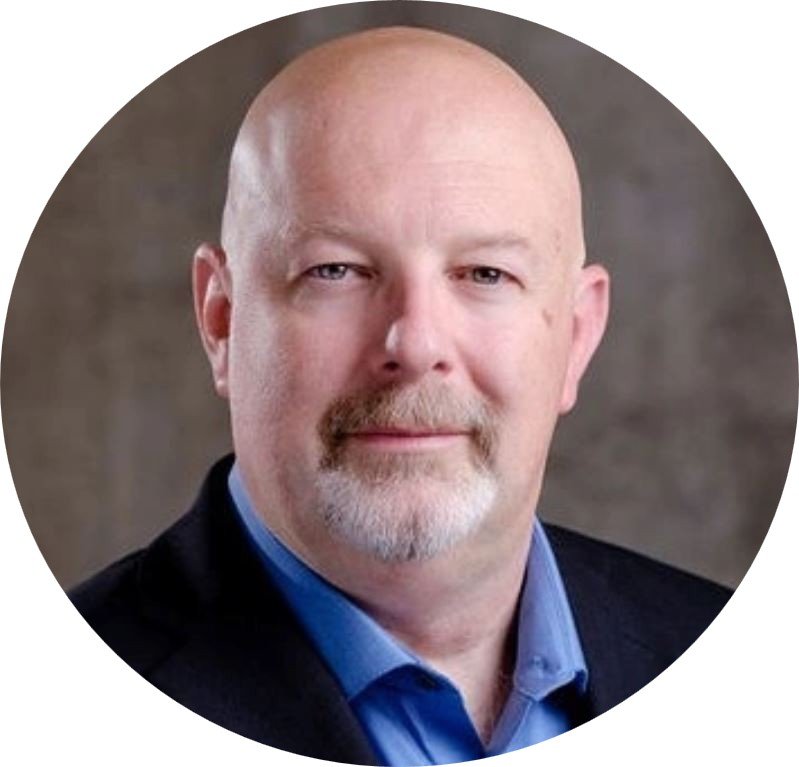
Todd White is the Managing Director of Thalion Initiative. He has an extensive background in all aspects of technology company startup, operations and commercialization. Todd started his career in telecommunications with a background in electrical engineering and computer science, and progressed through senior R&D engineering roles leading into C-level management. After 25 years in the telecommunications industry, Todd sought a new challenge and became interested in the biology of aging and the state of biomedical innovation. Since 2018, he has worked to help fund early stage aging research as an angel investor, advisor, and operations lead as part of the decentralized science (“DeSci”) community.
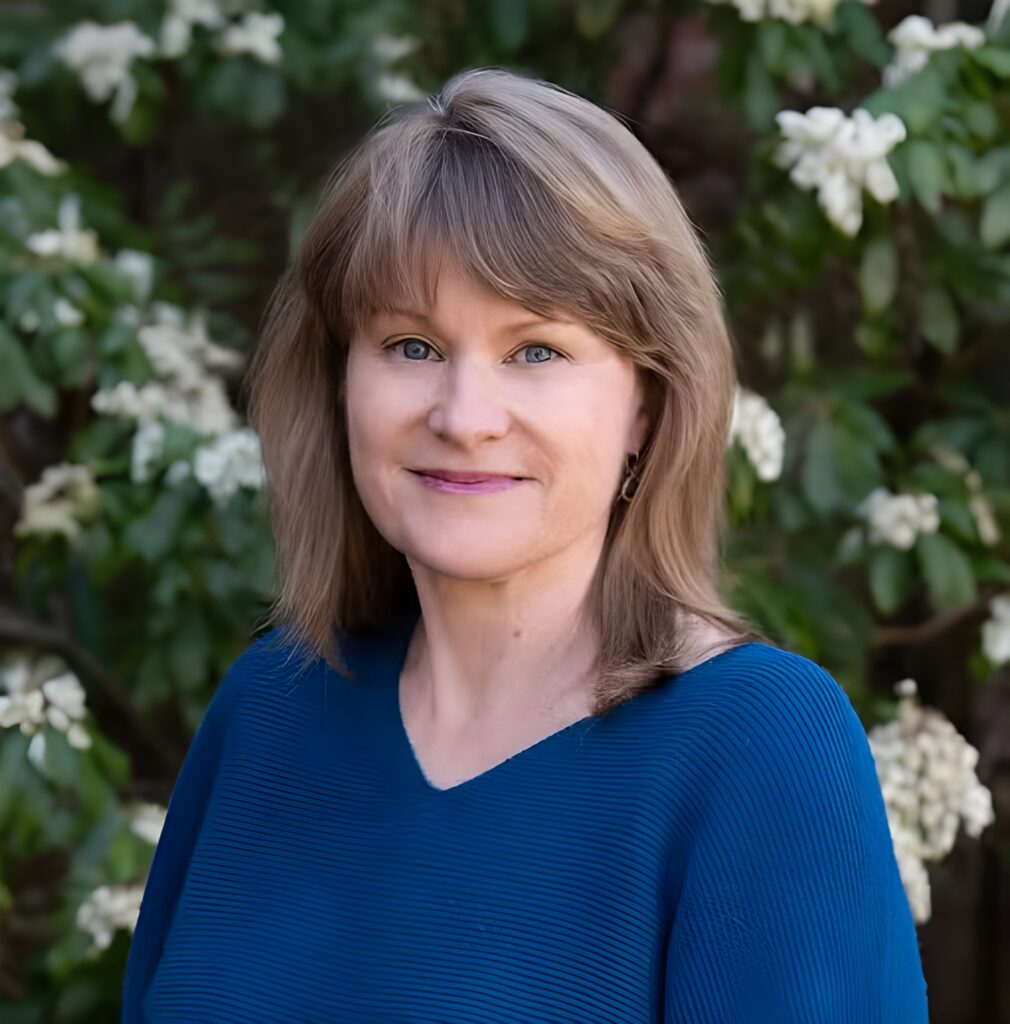
Dr. Carrie Graham is a Research Professor and Director of the Medicare Policy Initiative at Georgetown University’s Center on Health Insurance Reform (CHIR), where she leads policy analysis, research, and technical assistance on Medicare Advantage and original Medicare.
She previously served as Director of Aging and Disability Policy at the Center for Health Care Strategies and holds an Adjunct Professor appointment at the University of California, San Francisco, Institute for Health and Aging.
Her work spans aging research, health policy, and evaluation research. She has helped evaluate California’s Dual Financial Alignment Initiative, served as a Health and Aging Policy Fellow in the U.S. House of Representatives, and supported state aging plans in California and more than 20 other states.
Dr. Graham holds a doctorate in medical sociology from UCSF, a master’s degree in gerontological studies from the Scripps Gerontology Center at Miami University, and a bachelor’s degree from the University of California, San Diego in sociology and African studies.
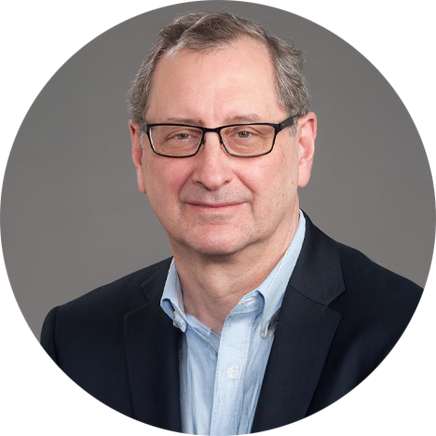
An internationally known expert on nutritional influences that affect trajectories of health and disability in older adults, including vitamins, protein, energy balance, exercise and obesity, I have more than 450 peer-reviewed publications, lead Wake Forest Baptist’s NIA-funded Claude D Pepper Older Americans Independence Center (OAIC), and co-direct the Sticht Center for Healthy Aging and Alzheimer’s Prevention. I have participated in some of the most important aging-related multicenter studies in the past 20 years, including the Health ABC study and the Life Style Interventions and Independence for Elders (LIFE) Trial, and I am the past editor-in-chief of the Journals of Gerontology: Medical Sciences.
I lead the Research Centers Collaborative Network (RCCN) with the American Federation for Aging Research. The RCCN’s goal is to build research collaborations among the six NIA Center’s programs through workshops, pilot awards, and educational activities. Through my service on the National Advisory Council on Aging, I help shape national research priorities for aging research. My recent work focuses on translating the new discoveries in the biology aging to prevent age-related diseases and extend health span in older adults.
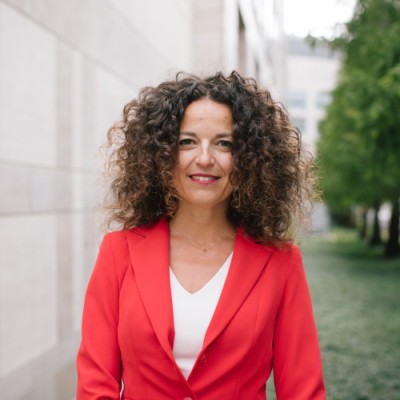
Dr. Susanna Rosi is a Principal Investigator at the Altos Labs Bay Area Institute of Science.
Susanna is a Principal Investigator at the Altos Labs Bay Area Institute of Science. Prior to joining Altos, Susanna was the Lewis and Ruth Cozen Chair II, Professor in the Departments of Physical Therapy Rehabilitation Science and Neurological Surgery at UCSF. Susanna studies the mechanisms responsible for the cognitive dysfunctions observed after traumatic brain injury, therapeutic brain irradiation and galactic cosmic ray exposure. Her work provided the mechanistic evidence for the role of microglia in the development of cognitive deficits after brain injury based on sex. She was the first to demonstrate that modulation of the Integrated Stress Response rescues cognitive deficits after brain trauma; rejuvenates old mice by alleviating memory deficits and restoring neuronal and immune dysfunction. Susanna has been the recipient of several NCI, NIA, NINDS awards and she is a NASA investigator. Most recently she received the 2021 J.W. Osborne Award.
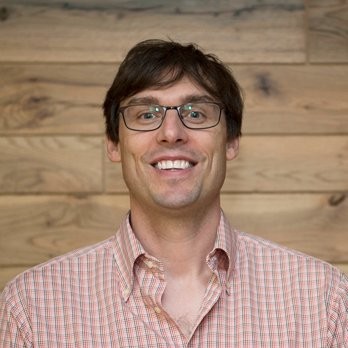
Tim Peterson, Ph.D. is CEO and Founder of BIOIO and of Healthspan Technologies. He is also a Core Member of the Longevity Working Group at VitaDAO.
BIOIO was founded by Tim in 2017 with the goal to better understand how drugs work. In particular, they leverage their learnings on how widely used medicines, such as rapamycin, metformin, bisphosphonates, and antidepressants, work. This led them to define a gold standard for drug Mechanism of Action (MoA) elucidation, leading to their genetics-based MOAT platform.
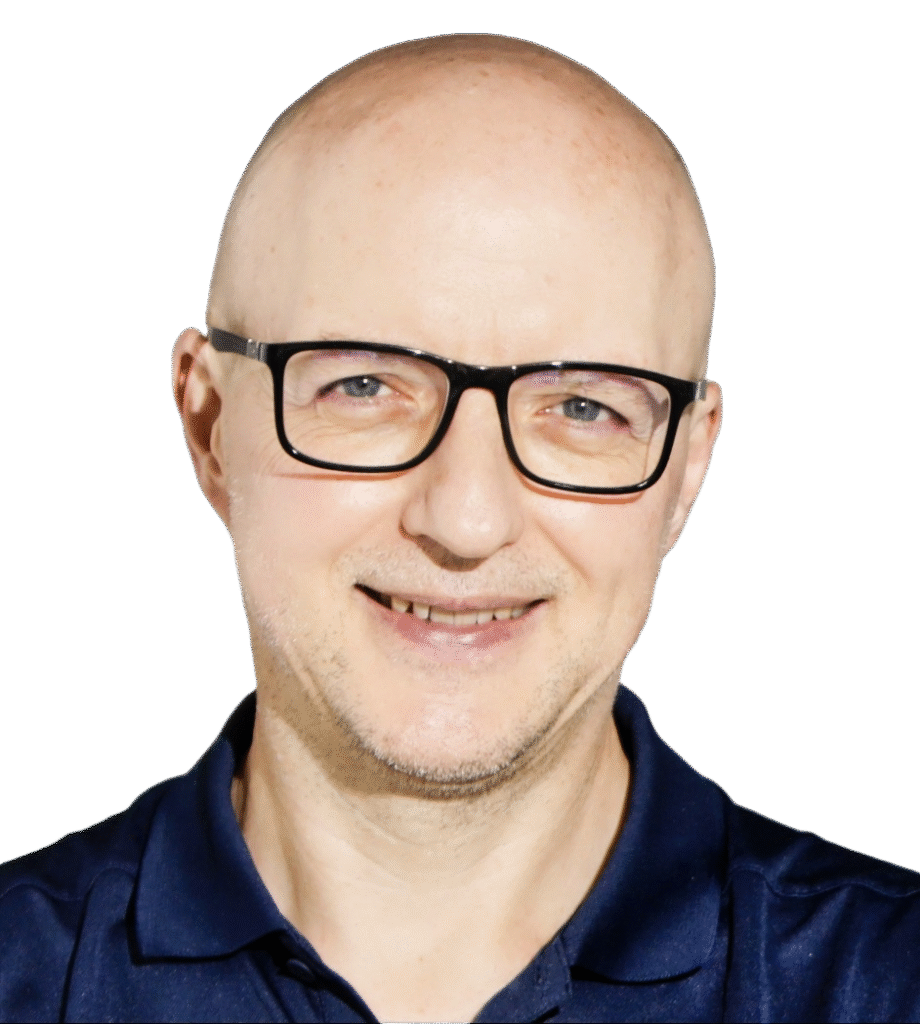
Petr Šrámek is Managing Partner of Longevitytech.fund and co-founder of LongevityForum.eu. He is a serial entrepreneur in deep tech for more than 30 years. Petr is building science, funding and business infrastructure to support faster adoption of health-span improving technologies. Petr was Entrepreneur in Residence at Singularity University, co-founder of the Platform on Artificial Intelligence at the Confederation of Industry, AI Startup Incubator founder and a Senator for the Czech Republic in the World Business Angels Investment Forum (WBAF). Petr is also the founder of the AI Awards project. Petr has been featured in the group of 28 AI leaders in the flagship World Intellectual Property Organization study.
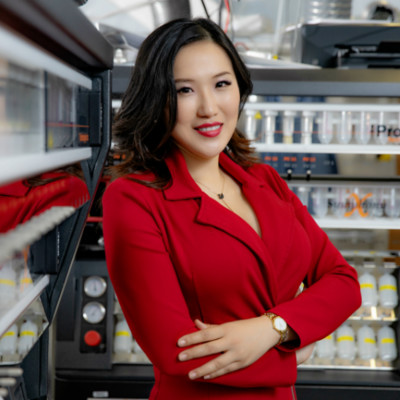
Dr. Xiaoxi (Sofie) Wei is an award-winning American entrepreneur and inventor in the area of biomimetic nanoscience and biopreservation in Regenerative Medicine. Being persistent in her life vision to enable “on-demand organs” from a very young age, she pursued her scientific endeavor in biomimetic Chemistry at SUNY Buffalo, earning her doctorate.
Inheriting the entrepreneurial spirit from her family, she successfully managed $8M in engineering projects while completing her Ph.D. Then she founded X-Therma in the San Francisco Bay Area in Oct 2014 to bring lab innovation to patients.
Dr. Wei is the inventor of X-Therma’s core technologies based on biomimetic hyper-effective ice prevention materials and devices, resulting in 17 issued global patents. She has served as principal investigator or co-PI of 12 national and international innovation research grants with accumulated value exceeding $14M USD from DoD, NSF, NIH, CIRM, EU etc. She has led the X-Therma research endeavors at The Molecular Foundry, Lawrence Berkeley National Laboratory 2015-2024. She serves as a healthcare advisor for the UC Regents working group on innovation transfer and entrepreneurship, is a scientific advisor for Life Extension Foundation, and was the Vice Chair of the Younger Chemists Committee of the American Chemical Society (ACS), and Cal ACS Executive Committee Member. She is currently a distinguished member of the RULEBREAKER Society, in Germany.
Moshe Levi, MD, is a professor in the Department of Biochemistry and Molecular & Cellular Biology at Georgetown University Medical Center.
Levi completed undergraduate training in chemical engineering at Northwestern University and received an MS in chemical engineering at Stanford University. He earned his MD from Albert Einstein College of Medicine and completed his internal medicine internship and residency at Cornell University and Memorial Sloan Kettering Hospital. He completed a nephrology clinical and research fellowship at the University of Colorado Health Sciences Center.
Funded by numerous NIH grants including three R01s in progress or concluding this year, Levi’s research involves renal and cardiovascular complications of obesity, diabetes and aging; regulation of mineral metabolism; and applying new label free techniques for imaging lipids, inflammation, oxidative stress, metabolism, and fibrosis. He has co-author 200 manuscripts and nearly 40 book chapters, and has mentored more than 20 MD or PhD research trainees.
Prior to joining Georgetown, from 2002 to 2017, Levi was professor of medicine, physiology and biophysics, and bioengineering at the University of Colorado Health Sciences Center, where from 2005 to 2011 he served as Vice Chair of Research for the Department of Medicine with over 400 faculty members. He also served on the executive committee of the NIH CCTSI Microscopy Technology Core Lab and the Clinical and Translational Imaging Research Center, and as a member of the Center for Fibrosis Research and Translation. Earlier in his career, Levi practiced medicine at the Department of Veterans Affairs Medical Center in Dallas where he was chief of the nephrology section, and at University of Texas Southwestern Medical Center from 1984 to 2002 where he was professor of internal medicine.
Levi has served on numerous study sections and associated grant review committees.
In 2013, he was appointed a member of the Board of Scientific Counselors for the NIH’s National Institute of Diabetes and Digestive and Kidney Diseases and recently concluded his service as its chair.
Levi continues to serve as an NIH National Advisory Committee member for the Laboratory for Fluorescence Dynamics at the University of California Irvine, the O’Brien Center in Kidney Research at UT Southwestern Medical School and for the Beckman Laser Institute and UC Irvine.
Levi is a fellow of the American Heart Association, the American Society of Nephrology, and the American Physiological Society, and is a member of numerous professional associations where he has served in committees and leadership roles. Memberships include the American Physiological Society, the American Society of Nephrology, National Kidney Foundation, International Society of Nephrology, American Heart Association, American Diabetes Association, Juvenile Diabetes Research Foundation, the American Association for the Advancement of Science, Biophysical Society, American Society for Biochemistry and Molecular Biology, American Society for Cell Biology, and the American Association for the Study of Liver Disease.
He serves on the editorial boards of the Journal of Biological Chemistry, Diabetes, and American Journal of Physiology: Renal Physiology.
Levi is a married to a physician and is the father of two young adult children
Pamela A. Saunders, PhD (she, hers) is a professor in the departments of neurology and psychiatry. In 2024, she was named Co-Director of the Georgetown Center for Healthy Aging. Her research focuses on communicative coping behaviors, language, aging, doctor/patient communication, empathy, narrative and reflective writing, and standardized patient education. She has spent the last 30 years conducting research and teaching. Her research portfolio includes funding from the Alzheimer’s Association, the National Institute on Aging, the Hartford Foundation, and the U.S. Food and Drug Administration. She has served in several leadership roles, including director of the geriatrics clerkship and longitudinal thread in Aging & Geriatrics. She co-founded the geriatrics curriculum in 2003 at Georgetown’s School of Medicine with funding from the Hartford Foundation. Dr. Saunders is the founding director of the Aging & Health Program, which offers certificates and a master of science in Aging & Health (aging.georgetown.edu). Courses include reflective writing, Mind-Body Medicine skills to medical and graduate students, as well as courses in gerontology, reflective writing, research methods, and ageism.
A veteran legislator, Congressman Paul Tonko has represented New York’s 20th District since January 2009. With 17 years of experience in Congress, he is a high-ranking member of the House Committee on Energy and Commerce, serving as the Ranking Member for the Subcommittee on Environment. He also holds assignments on the Subcommittees on Energy and on Oversight & Investigations, as well as the House Committee on the Budget. His work is deeply informed by his background in engineering, specifically focusing on clean energy and environmental protection.

Dr. Morgan Levine is a Vice President of Computation at Altos Labs and formerly a Principal Investigator at the San Diego Institute of Science.
Prior to joining Altos, Morgan was a ladder rank professor at Yale University School of Medicine. She is considered a leader in the biology of aging, most famous for generating cutting-edge methods for quantifying the system dysregulation that occurs over an organism’s lifetime. Her work relies on interdisciplinary approaches, integrating theories and techniques from computational and cellular biology to track trajectories aging cells and organisms take over time. Morgan’s vision is to develop multi-scale computational models that translate how dynamic molecular states of cells lead to manifestations of health and disease at the tissue, organ-system, or organismal level. She has received numerous awards for her work, including the Vincent Cristofalo Rising Star Award in Aging Research in 2021 and the Nathan Shock New Investigator Award in 2020.
Dr. O’Connor was awarded his master’s degree in neuroscience from Northwestern Medical in 1999 and his Ph.D. in Biochemistry from Baylor College of Medicine in 2005. His postdoctoral research includes work at UC Berkeley on muscle stem cells and aging. He is the former VP of Research at SENS Research Foundation where he oversaw a broad swath of research projects spanning many aspects of rejuvenation biotechnology from which he authored many papers and patents.
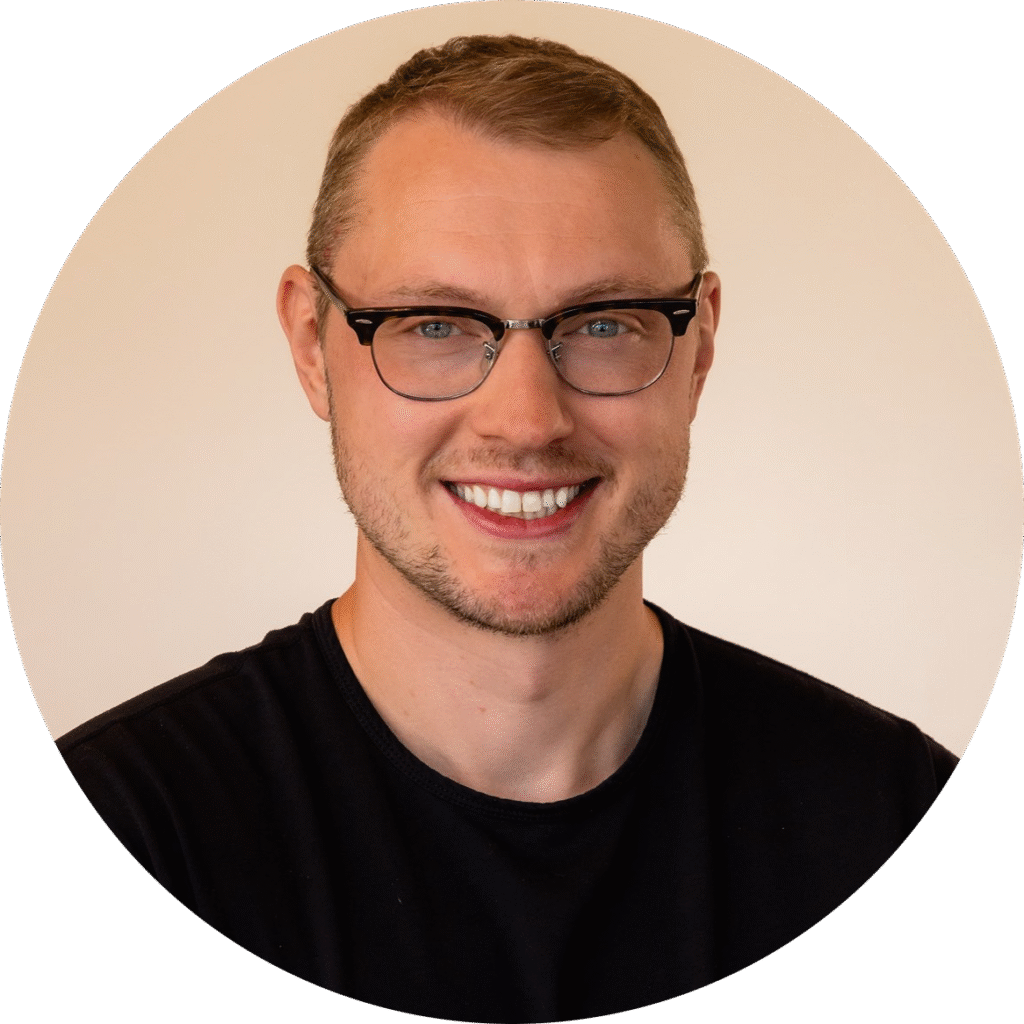
Matt Peloquin is a translational research scientist and biotech executive with over a decade of experience in drug discovery and development. He currently serves as Vice President of Research at Loyal Animal Health, a biotechnology company developing therapeutics for lifespan and healthspan extension in dogs. Since joining Loyal in 2021, he has contributed to the research and regulatory strategies that resulted in the first and second FDA CVM efficacy approvals for lifespan extension in dogs. Prior to Loyal, Matt led multiple preclinical drug discovery programs in Pfizer’s Internal Medicine Research Unit, which focused on targeting various metabolic diseases, cancer cachexia and sarcopenia. Matt’s work has been published in high impact journals, such as Nature Communications, Aging Cell and the Journal of Cachexia, Sarcopenia and Muscle.

Louise Hecker, PhD is an Associate Professor at Baylor College of Medicine and the Founder and Chief Scientific Officer at Fibronox with over 15 years of experience in regenerative biology, fibrosis research, and age-related disease therapeutics. She is a world-leading expert on Nox4 and Nrf2, having made numerous seminal discoveries in understanding how oxidative stress contributes to tissue fibrosis and aging.
Her groundbreaking research has revolutionized the understanding of fibrotic diseases and recently expanded into psychedelic medicine, where her team discovered that psilocybin extends cellular lifespan by up to 57% and improves survival in aged mice. As an academic entrepreneur, she has founded five companies and secured approximately $15 million in research funding as Principal Investigator while holding around 20 patent applications.
Louise currently serves as an Associate Professor in the Department of Medicine at Baylor College of Medicine since December 2024 and maintains her position as Founder and Chief Scientific Officer of Fibronox, a pharmaceutical startup she established in November 2017 to develop novel Nox4 inhibitors for treating fibrotic diseases.
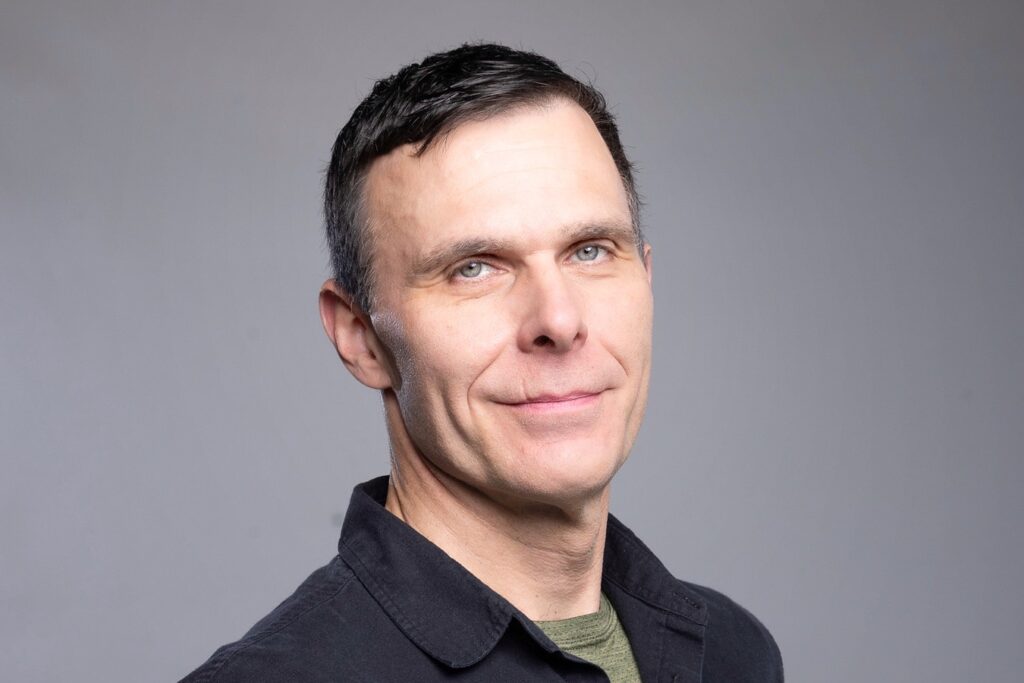
Dr. Matt Kaeberlein was the Chief Executive Officer at Optispan, Inc., Affiliate Professor of Oral Health Sciences at the University of Washington, and Co-Director of the Dog Aging Project. Dr. Kaeberlein’s research interests are focused on understanding biological mechanisms of aging in order to facilitate translational interventions that promote healthspan and improve quality of life for people and companion animals. He is a Fellow of the American Association for the Advancement of Science (AAAS), the American Aging Association (AGE), and the Gerontological Society of America (GSA). Dr. Kaeberlein has published more than 250 scientific papers in the field of aging biology and has received several prestigious awards including young investigator awards from the Ellison Medical Foundation and the Alzheimer’s Association, the Vincent Cristofalo Rising Star in Aging Research Award, the Murdock Trust Award, the NIA Nathan W. Shock Award, and the Robert W. Kleemeier Award for outstanding research in the field of gerontology. Dr. Kaeberlein is the founding Director of the University of Washington Healthy Aging and Longevity Research Institute, former Director of the NIH Nathan Shock Center of Excellence in the Basic Biology of Aging and the Biological Mechanisms of Healthy Aging Training Program at the University of Washington, and former CEO and Chair of the American Aging Association.
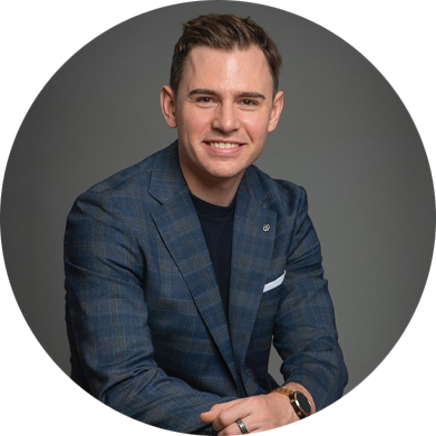
Dr. Barnes’ principal professional interest is to develop therapies to protect valuable human lives against aging and age-related disease. He earned his BS in Biology from SUNY Oswego and his PhD in Neuroscience from Weill Cornell Medicine, after which he was a competitive intelligence consultant in the biotech space with focus on multiple types of chronic diseases including in ophthalmology. He founded Lento Bio at idea-stage in 2022 with the goal of developing novel treatments for chronic aging disorders of the lens, having in the 3 years since developed and patented Lento Bio’s current lead presbyopia asset.
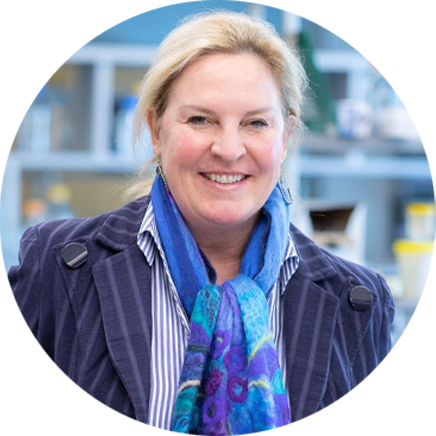
Dr. Laura Niedernhofer is the Director of the Masonic Institute on the Biology of Aging and Metabolism (MIBAM) and Medical Discovery Team on the Biology of Aging. She is also a Professor in the Department of Biochemistry, Molecular Biology and Biophysics at UMN. Dr. Niedernhofer’s expertise is in DNA damage and repair, genome instability disorders, cellular senescence and aging. Her research program is centered on studying fundamental mechanisms of aging and developing therapeutics to target them. Her research program implements a murine model of a human progeroid syndrome caused by a defect in DNA repair. She contributed to the discovery of a new class of drugs called senolytics. Laura has served on study section for NCI, NIEHS and NIA. She has been awarded for research in aging, cancer and environmental health science.
Historically, the aging field was divided as to whether lifespan was dictated by genetics or environmental factors. We demonstrated that removing DNA repair defenses causes accelerated aging. This supports the conclusion that DNA damage can drive aging, if not repaired. Traditionally, biomedical research has focused on identifying molecular targets for treating a single disease. However, 75% of individuals over the age of 65 have 2 or more chronic degenerative diseases. My group has been at the forefront of seeking therapeutic interventions to treat aging itself and thereby prevent or attenuate multiple age-related diseases simultaneously. There is clearly an attrition of stem cell numbers and function with aging. But what was not clear is if this is a cause or consequence of aging. We demonstrated that the former is true, based on the finding that treating progeroid mice with muscle-derived stem cells from young mice was sufficient to slow down aging. This clearly shows that stem cell dysfunction contributes to aging and provides a scientific basis for treating age-related degenerative diseases with stem cell therapy.
There are over a thousand oncology studies in which the expression of ERCC1 repair protein is measured in tumors to determine if there is a correlation with response to therapy or patient outcomes. We discovered novel roles for ERCC1-XPF in the repair of DNA interstrand crosslinks and double-strand breaks, revealing important roles for the enzyme in coping with platinum-based and radiation therapy, respectively. In addition, we discovered that the antibody used to detect ERCC1 in tumoral tissue was non-specific. We discovered that the protein to which the antibody was cross-reacting was rate-limiting for cell growth and regulated by RAS.

Dr. Gladden, the visionary founder of Gladden Longevity and Advanced Performance Center, initially practiced as an interventional cardiologist before pivoting his focus from late-stage interventions to preventing heart issues and unlocking ageless potential. Seamlessly blending science, wisdom, and innovation, he’s unraveling the secrets of Living Young for a Lifetime™, harmonizing Life Energy, Longevity, Health, and Human Performance. Beyond pioneering research, Dr. Gladden enjoys adventures in surfing, biking, hiking, snowboarding, and guitar playing. Amid these pursuits, he treasures moments with loved ones. Jeff’s dedication to inspiring vitality echoes through his work, driven by an unwavering commitment to guiding individuals toward embracing their potential and creating an enduring legacy in the world.
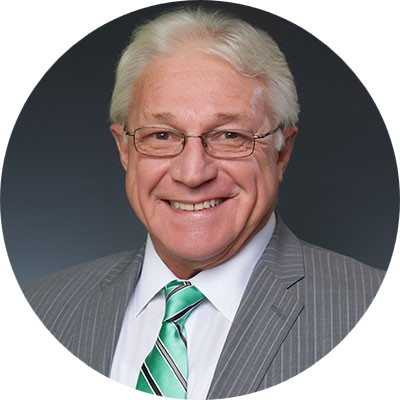
James C. Greenwood is a Senior Policy Advisor at the DLA Piper law firm, chairing its Life Science Health Policy and Regulatory group. He is the President Emeritus of the Biotechnology Industry Organization (BIO) in Washington, D.C., where he served as President and CEO from 2005-2020.
Mr. Greenwood represented Pennsylvania’s Eighth District in the U.S. House of Representatives from January 1993 through January 2005. A senior member of the Energy and Commerce Committee, he was widely viewed as a leader on health care and the environment. From 2001 to 2004, Mr. Greenwood served as Chairman of the Energy and Commerce Committee Subcommittee on Oversight and Investigation with oversight authority over issues in the full Committee’s vast jurisdiction. Prior to his election to Congress, Mr. Greenwood served six years in the Pennsylvania General Assembly (1981-86) and six years in the Pennsylvania Senate (1987-1992).
Mr. Greenwood graduated from Dickinson College in 1973 with a BA in Sociology. From 1977 until 1980, he worked as a caseworker with abused and neglected children at the Bucks County Children and Youth Social Service Agency. Mr. Greenwood is married with three children and resides in Upper Makefield Township, Pennsylvania.
At BIO, Mr. Greenwood led the organization through a period of major policy engagement on biotechnology, biomedical innovation, and patient access to new therapies. As President and CEO, he represented the industry before policymakers, helped advance legislative and regulatory priorities, and worked to strengthen the visibility of life sciences as a driver of health and economic growth. In his role as President Emeritus, he continues to be associated with BIO’s mission and its long-standing efforts to support innovation, research, and the responsible development of new medical technologies.
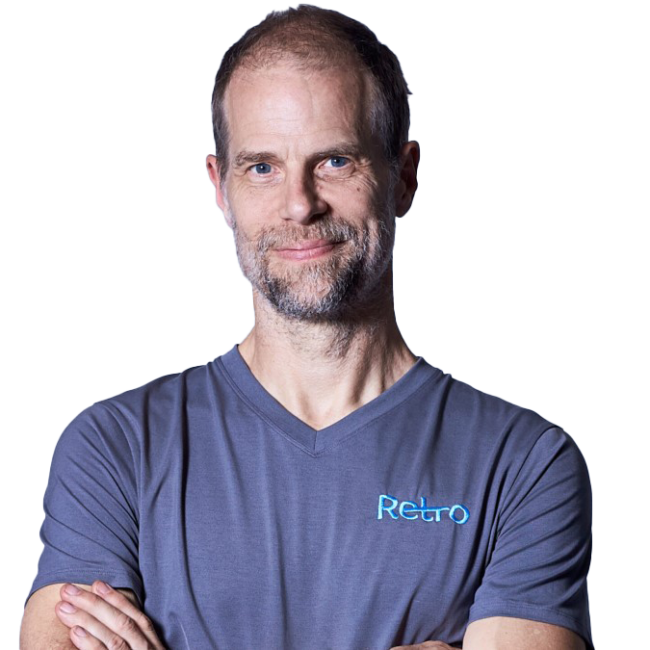
Joe Betts-LaCroix, CEO of Retro Biosciences, is dedicated to extending healthy human lifespan by ten years. A scientist-turned-entrepreneur, he began his career at Harvard, MIT, and Caltech, where he co-discovered key factors governing electron-tunneling rates in proteins, with his research published leading journals, accumulating over 1,500 citations.
Joe has co-founded three venture-backed startups. His first, OQO, created the world’s smallest Windows computer (Guinness World Record, 2006) and was later acquired by Google. His second, Vium, leveraged automation and AI to accelerate in vivo research and was acquired by Recursion Pharma. He also spent several years as a part-time partner at Y Combinator, mentoring and investing in biotech startups.
Now, as CEO of Retro Biosciences, he is bringing urgency and focus to the challenge of aging, leading a team exploring numerous novel approaches to longevity therapeutics. By accelerating discovery and translation, Retro aims to make meaningful gains in extending healthspan within our lifetime.
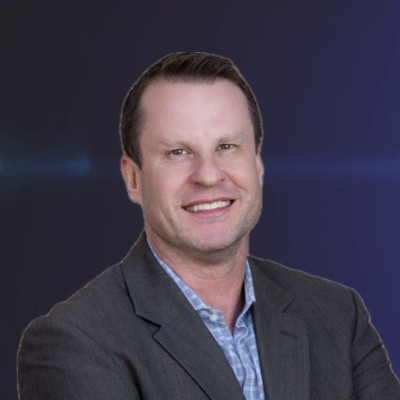
As CEO of Sinaptica Therapeutics, Ken is leading the team to advance the company’s personalized precision neuromodulation therapy for Alzheimer’s.
Prior to Sinaptica, Ken has 20+ years leading and growing new business ventures on both the ‘Buy Side’ and the ‘Build Side.’
He started his career in management consulting at Charles River Associates, then jumped to industry at CSL, then Baxter BioScience (now Takeda), and Boston Scientific, with leadership roles in marketing, strategy, and corporate development. At Boston Scientific’s nearly $1B Neuromodulation division, he was the global commercial lead for the highly successful Cosman RF ablation business he helped acquire.
He also built the division’s Strategy function, providing leadership in areas including strategic planning, BD assessment, R&D portfolio management, digital strategy, and investments in next-gen platforms & new indications. In 2019 he joined EBT Medical, a venture-backed, clinical-stage startup developing a disruptive neuromodulation device for overactive bladder, where he oversaw all commercial aspects.
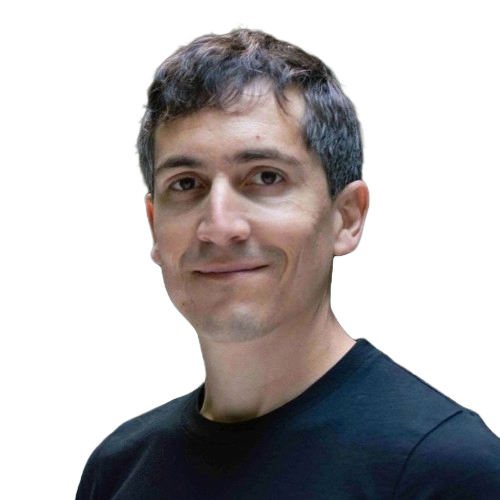
Francisco LePort is co-founder and CEO of Gordian Biotechnology. Gordian Biotechnology has developed in vivo perturb seq technology that simultaneously measures the safety and efficacy of thousands of arbitrary genetic perturbations, directly in individual living animal models of any given age-related disease. Having raised $60M to date, Gordian is developing first-in-class therapeutics for obesity, heart failure, kidney disease, and osteoarthritis. Prior to Gordian, Francisco graduated with a BS in Physics from UC Irvine at the age of 17, and a Ph.D in Physics from Stanford University. He has over 15 years of experience applying AI to various industries as a founder, investor, board member, and employee of numerous Bay Area companies.
Dr. Hanadie Yousef is a scientist, entrepreneur, seasoned executive, and global thought leader in AI-driven regenerative medicine and longevity. With over two decades of experience in biomedical research, she is the Co-Founder of Juvena Therapeutics, where she served as CEO, CFO, and Board Chair from 2017 to 2025. Since the company’s incorporation, she pioneered its evolution from a platform-driven concept into a venture-backed, clinical-stage biotechnology leader. Under her leadership, Juvena secured over $105M in venture capital, non-dilutive grants, and partnerships, and developed a proprietary pipeline of tissue-restorative biologics for muscle and metabolic diseases. Dr. Yousef is a regularly invited speaker at marquee biotech, AI, and healthcare innovation events. She earned her B.S. summa cum laude from Carnegie Mellon University, her PhD from UC Berkeley as an NSF Fellow, and completed a 5-year postdoctoral fellowship at Stanford School of Medicine as an NIH fellow and SPARK scholar. Her lifelong dedication to biomedical research and entrepreneurship began early, with research positions at Regeneron starting at age 15 and a neuroscience internship at Genentech.
Dr. Jean Hebert joined ARPA-H in August 2024 from the Albert Einstein College of Medicine where he served as a professor of genetics and neuroscience. Hebert is the founder of BE Therapeutics, a company focused on reversing age-related damage to brain tissue. His laboratory research focuses on stem cell transplantation, plasticity, neurodegeneration, and cortical health. In addition to his academic publications, Hebert is also the author of Replacing Aging, a book on regenerative medicine and the types of cellular damage accumulated in aging tissue.
Since childhood, Hebert has been interested in understanding how our bodies work and how to repair them. He has a doctorate in genetics from the University of California San Francisco and completed postdoctoral research at Stanford University studying the development of neurons that make up the neocortex.
Dylan V. Livingston is the founder and President of the Alliance for Longevity Initiatives (A4LI), the first 501(c)(4) organization in the U.S. devoted exclusively to advancing longevity science through public policy. He launched A4LI in 2022 to combat age-related diseases—including cancer, cardiovascular disease, and Alzheimer’s—by connecting scientific research with legislative action.
Under Livingston’s leadership, A4LI helped establish the bipartisan Longevity Science Caucus and supported state-level Right-to-Try expansion measures SB422 and SB535. He also founded the H-SPAN Summit in Washington, D.C., and led the organization’s first Longevity Science Congressional Briefing in 2024. In 2025, A4LI facilitated more than 70 meetings between advocates and members of Congress, and the 2026 summit will be held in partnership with Georgetown University Medical Center.
Livingston was recognized on Forbes 30 Under 30 for his work in building a national organization focused on longevity policy. Before founding A4LI, he gained experience on political campaigns, including serving as a field organizer for President Joe Biden’s 2020 campaign in Pennsylvania.
Mr. Schulak, Founder and Chairman of EdenRoc Sciences, is an architect, philanthropist, and life sciences investor.
He has served on numerous charitable, academic, and business boards, including the Sanford Burnham Prebys Medical Discovery Institute, the Advisory Board of the New York University Center for Urban Science and currently on the Boards of The University of Michigan Health System Advisory Group (Hospital, Research Center and Medical School), the Harvard Medical School Dean’s Discovery Council, Novim and the Dean’s Council for the University of California Baskin School of Engineering. Mr. Schulak graduated from the Rhode Island School of Design with degrees in both Fine Arts and Architecture.
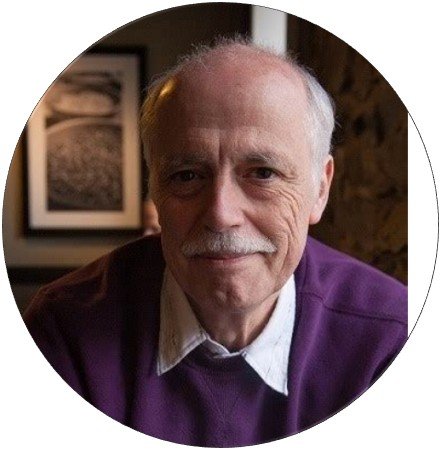
Felipe Sierra, Ph.D. is CEO of Geroscience Consulting LLC. He is best known for his contributions to the development of the field of geroscience, a concept he developed while serving as Director of the Division of Aging Biology at the National Institute on Aging (NIA), part of the National Institutes of Health (NIH) in the USA.
Trained as a biochemist in Chile, he obtained a PhD in Biochemistry and Molecular Biology from the University of Florida in 1983 and has since worked in Academia, Industry and Government, in a career that spans multiple geographic areas including South America, USA, Europe (Switzerland and France) and most recently, the Middle East.
Dr. Sierra served as Director of the Division of Aging Biology, NIA/NIH from April 2006 to March 2020, where he developed the concept of Geroscience and created the trans-NIH Geroscience Interest Group (GSIG). After his tenure at NIA/NIH he worked as Director of Geroscience for the Inspire program in Toulouse, France, and most recently, as Chief Scientific Officer at Hevolution Foundation, a non-profit organization headquartered in Riyadh, Saudi Arabia. He retired from that position in March 2025 to start a private consulting venue, Geroscience Consulting LLC.
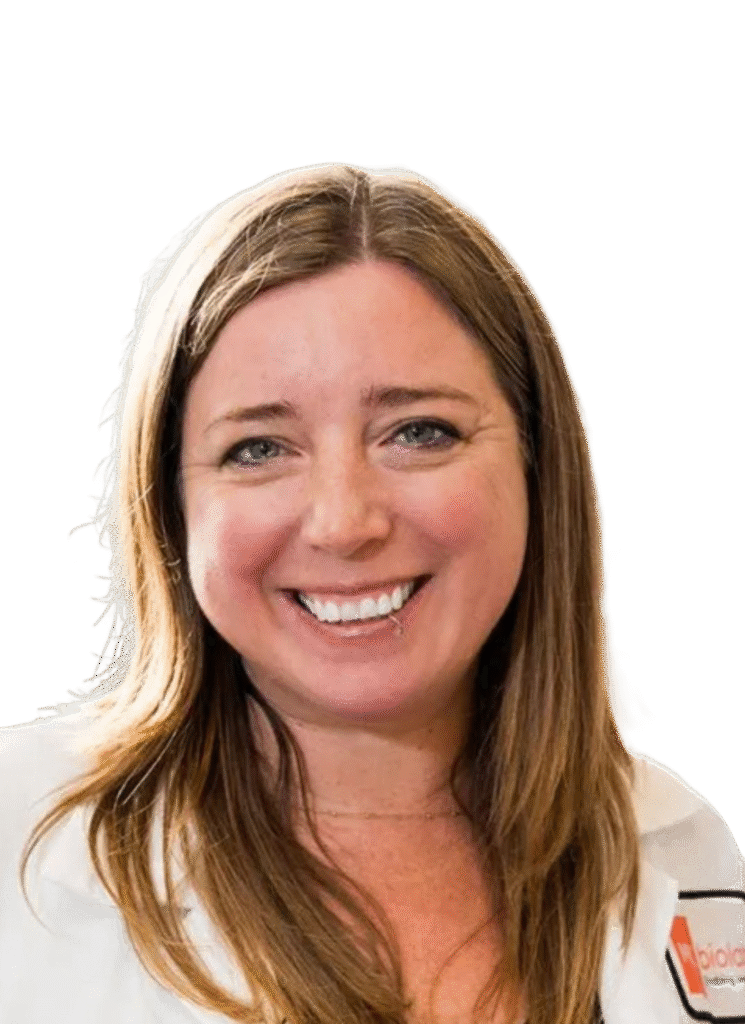
Dr. Christin Glorioso is a neuroscientist, physician, and serial entrepreneur. She is co-founder and CEO of NeuroAge Therapeutics and Founder and Executive Director of the non-profit, Longevity Global. Previously she was Head of AI of the Stanford Spinout, TeachAids. She has published more than 30 peer reviewed publications and been awarded grants by AFAR, the Glenn Foundation for Medical Research, and the National Institute on Aging. Dr. Glorioso holds an MD and PhD in Neuroscience from the University of Pittsburgh and Carnegie Mellon University’s Medical Scientist Training Program and completed her postdoctoral training at MIT.
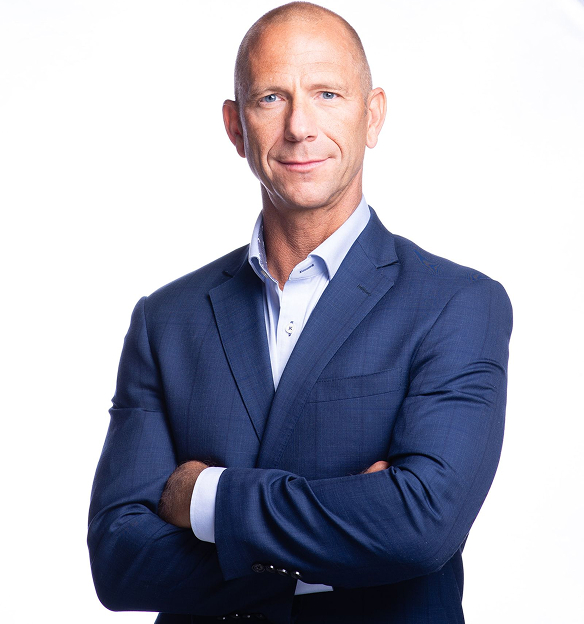
Dr. Doug Lucas is a double board–certified orthopedic surgeon and longevity physician dedicated to changing how we understand aging, hormones, and bone health. After years in traditional orthopedic practice, he stepped away from a system that waited for bones to break before taking action and shifted his focus toward prevention, optimization, and healthspan. His work centers on a simple but disruptive idea: bone health is not a geriatric diagnosis—it is a powerful biomarker of longevity, resilience, and overall health.
Dr. Doug is the founder of The OsteoCollective, an international online community where thousands of women and men have successfully reversed osteoporosis and improved bone health with the right education, guidance, and support. He is also Head of Longevity at LifeMD, where he leads both the women’s and men’s health verticals, helping shape modern, proactive care models that integrate hormones, lifestyle, and long-term health optimization across midlife and beyond.
As the host of The Dr. Doug Show: Bones, Hormones & Healthspan and Health 3.0, and the author of two Amazon best-selling books, Dr. Doug is widely recognized for translating complex science into clear, actionable guidance. A sought-after speaker and media guest, he addresses topics ranging from osteoporosis prevention and reversal to hormone optimization, sexual health, metabolic resilience, and strength training for longevity.
Whether on stage, behind the microphone, or on camera, Dr. Doug’s mission is to educate the world that osteoporosis is often preventable, frequently reversible, and best understood not as inevitable decline—but as an opportunity to intervene early, build strength, and age with confidence, vitality, and purpose.
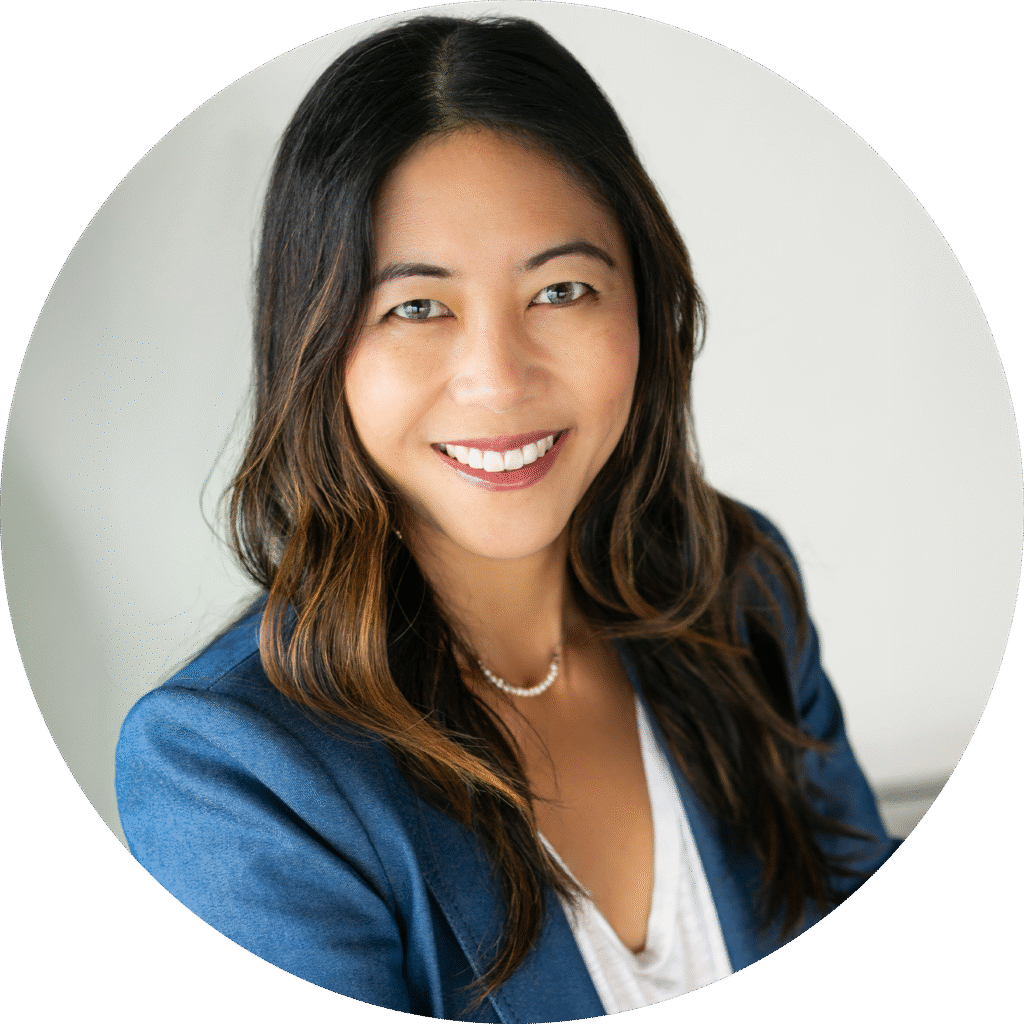
Cheryl Sew Hoy founded Tiny Health in 2020 after her first child struggled with eczema, sleep troubles, and food sensitivities. Her experience led her to research the gut microbiome and develop tests focusing on a baby’s first 1,000 days, a crucial period in microbiome development. Cheryl is a serial entrepreneur with extensive expertise in building consumer brands. She holds multiple Engineering degrees from Cornell University.
Christopher Bradley, PhD is the CEO and Cofounder of Matter Bio, a pioneering longevity biotechnology company focused on extending human healthspan through advanced genetic interventions, and an Adjunct Professor in the Department of Technology Management and Innovation at NYU Tandon School of Engineering. He is also the CEO and Founder of Loki Therapeutics, an immuno-oncology company developing next-generation cancer therapeutics.
Chris is a serial entrepreneur with a background in both biology and technology, with over a decade of executive experience founding, funding, and operating complex and innovative healthcare and biotechnology businesses. His current mission is to increase healthy human longevity by addressing two related problems: treating advanced cancer when it already exists and preserving DNA information integrity to prevent disease from emerging.
Dr. Tornatore is the Regional Chief of Neurology for MedStar Health and Chairman and Neurologist-in-Chief in the Department of Neurology at MedStar Georgetown University Hospital. He is also the Executive Director of the Multiple Sclerosis Patient Centered Specialty Practice MedStar Georgetown and Professor and Chairman in the Department of Neurology at Georgetown University Medical Center. Dr. Tornatore received his undergraduate degree in neurobiology from Cornell University and then attended Georgetown University School of Medicine where he received his medical degree. Following a Neurology Residency at Georgetown University Hospital, he was a post-doctoral fellow at the National Institute of Neurologic Disorders and Stroke at the National Institutes of Health. Dr. Tornatore has published extensively in the areas of neuroimmunology, neurovirology and Multiple Sclerosis and is currently involved in over 15 clinical trials for the treatment of Multiple Sclerosis. He has won multiple awards in the areas of medical student teaching, patient care and scholarly research.
Dr. Bill Rebeck is a Professor in the Department of Neuroscience at Georgetown University. He grew up in Cincinnati, OH, and attended Cornell University. After graduating, he worked for three years as a chemist at an agricultural products company and then earned a PhD in Toxicology at Harvard University in 1990. He spent one year on a Fulbright fellowship in Heidelberg, Germany, pursuing research on Alzheimer’s disease in the lab of Konrad Beyreuther. He then began research at Massachusetts General Hospital with Brad Hyman. He moved his lab to Georgetown University in 2003. For over 25 years, Dr. Rebeck has been interested in genetic risk factors for Alzheimer’s disease, specifically variants of the APOE gene. His lab uses cell culture and mouse models to examine the effects of APOE isoforms on normal brain function prior to the accumulation of Alzheimer’s lesions. He has been very involved in graduate education, serving as assistant director of the MS in Integrative Neuroscience, director of the PhD program in Neuroscience for eight years, and Dean of the Graduate School of Arts and Sciences for 18 months. In 2017, Dr. Rebeck received the Georgetown Presidential Distinguished Scholar-Teacher award.
Dr. Brian Kennedy is internationally recognized for his research in the basic biology of aging and as a visionary committed to translating research discoveries into new ways of detecting, delaying, preventing and treating human aging and associated diseases. He is a Distinguished Professor in Biochemistry and Physiology at the Yong Loo Lin School of Medicine at National University Singapore and serves as Director of (1) the Centre for Healthy Longevity at the National University Health System, (2) the NUS Medicine Healthy Longevity Translational Research Programme, and (3) the Asian Centre for Reproductive Longevity and Equality. Collectively, NUS aging research seeks to demonstrate that longevity interventions can be successfully employed in humans to extend healthspan, the disease-free and highly functional period of life.
From 2010 to 2016, Dr. Kennedy was the President and CEO of the Buck Institute for Research on Aging and he maintained a professorship there through 2020. Dr. Kennedy has an adjunct appointments at the Department of Biochemistry at the University of Washington, where he was a faculty member from 2001 to 2010. In addition, Dr. Kennedy is also actively involved with a number of Biotechnology companies. In addition, Dr. Kennedy serves as a Co-Editor-In-Chief at Aging Cell. Finally, Dr. Kennedy has a track record of interaction in China, where he was a Visiting Professor at the Aging Research Institute at Guangdong Medical College from 2009 to 2014. His Ph.D. was performed in the laboratory of Leonard Guarente at M.I.T., where he published the first paper linking Sirtuins to aging.

Dr. Andrew Brack joined ARPA-H in April 2024 from the University of California San Francisco’s Department of Orthopaedic Surgery. For 16 years, his lab studied the cellular and molecular mechanisms that regulate skeletal muscle repair during aging. He was the co-founder of Arrive Bio, a longevity company that uses machine learning to identify drugs to treat age-related diseases.
Brack received a Ph.D. in molecular biology and biophysics from King’s College London and completed two postdoctoral fellowships, one at King’s College London and the second at Stanford University. Throughout his career Brack has led multidisciplinary teams with the goal of restoring healthy function during aging.

Dr. Alicia Jackson was appointed by President Trump as Director of the Advanced Research Projects Agency for Health (ARPA-H) and sworn in on October 20, 2025. Dr. Jackson reports directly to U.S. Department of Health and Human Services (HHS) Secretary.
Dr. Jackson joins ARPA-H from Evernow, a company she founded and led as CEO, focused on transforming women’s health and longevity during menopause. Previously, she served as a Program Manager and, subsequently, Deputy Director of the Defense Advanced Research Projects Agency’s Biological Technologies Office, guiding an investment portfolio across biodefense, novel medicine development, and biomanufacturing to protect the nation while advancing groundbreaking scientific capabilities. She has served as a Senate policy advisor, as well as co-founder, Board Member, and advisor of several biotech and health startups, including OOVA, ImmuneBridge, and Drawbridge Health.
Dr. Jackson holds a Ph.D. in materials science from the Massachusetts Institute of Technology.

Introducing Alina Su, founder and CEO of Generation Lab, the fastest-growing AI longevity company. Previously from Harvard Medical School, she co-founded Generation Lab with Dr. Irina Conboy — “the mother of longevity” who invented blood exchange from UC Berkeley Conboy Lab. Backed by tier 1 VCs like Accel and Samsung, Generation Lab created SystemAge, the world’s most accurate organ biological age test, with a personalized longevity plan. And now they are developing an injection shot that makes you young replacing blood exchange.
Already trusted by over 500 leading clinics worldwide and Hollywood A list celebrities from Kim Kardashian to Zac Efron, Naval Ravikant NBA NFL players — Generation Lab is creating the Ageless generation.